







OPEC and its allies, known as OPEC+, announced a coordinated plan to increase oil production starting later this year, even as escalating military conflict in the Middle East threatens to disrupt critical maritime transit corridors. The decision, finalized during this week’s ministerial meeting, signals a shift toward market normalization, despite global concerns that a fifth of the world‘s oil supply remains vulnerable to regional maritime blockades.
The Context of Global Supply Chains
The global oil market is currently navigating a precarious balance between supply-side management and geopolitical volatility. For months, the coalition has maintained strict output quotas to prop up prices, but the persistent instability in the Red Sea and surrounding waterways has complicated these efforts.
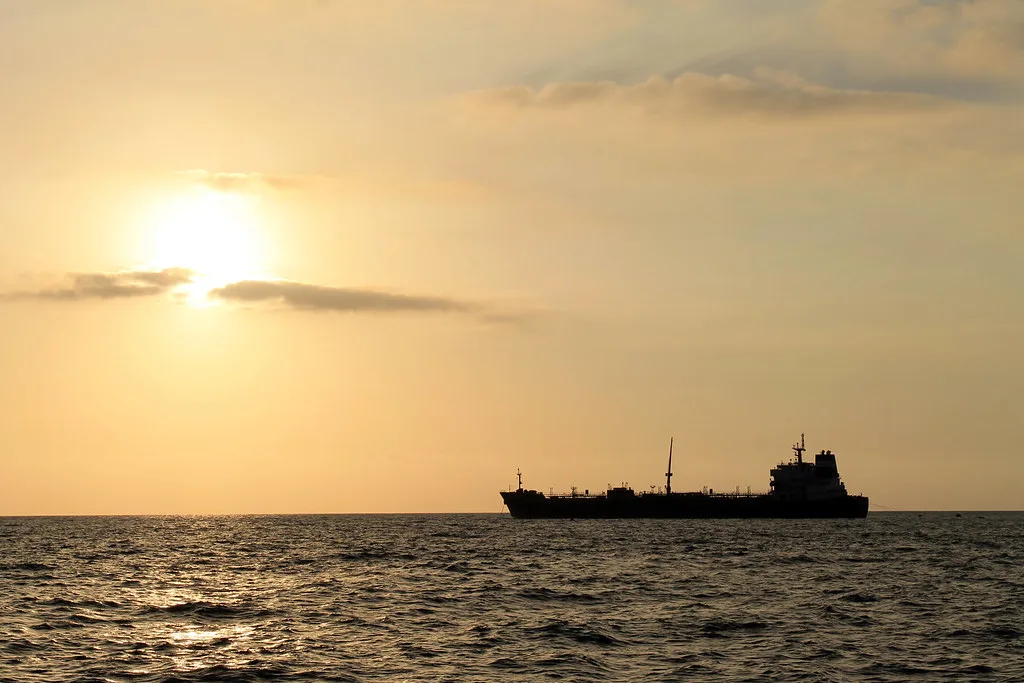
International energy agencies note that nearly 20% of global daily oil consumption transits through these contested waters. Any sustained interruption to these routes forces tankers to divert around the Cape of Good Hope, significantly increasing shipping costs and delivery timelines.
Navigating Market Pressures
Energy analysts suggest that the decision to hike production is largely symbolic, aimed at maintaining the coalition’s internal cohesion rather than immediately flooding the market. By signaling a return to higher output, OPEC+ aims to reassure traders that they remain in control of the long-term price trajectory.
However, the actual impact on the pump remains uncertain. Data from the International Energy Agency (IEA) indicates that while global demand is projected to grow, the current geopolitical risk premium is keeping prices higher than supply-demand fundamentals alone would dictate.
Expert Perspectives
Market observers argue that the coalition is attempting to walk a tightrope. “They are balancing the need for revenue against the risk of causing a price collapse in a fragile global economy,” said one senior energy economist.