



Proposed Transition to Polymer Banknotes
Reserve Bank of India (RBI) Governor Sanjay Malhotra confirmed on Friday that the central bank is actively evaluating a proposal to introduce polymer currency notes. Speaking to reporters, Malhotra emphasized that the initiative remains in its preliminary stages, with no definitive timeline or implementation plan currently finalized.
The move comes as global central banks increasingly look toward durable alternatives to traditional cotton-based paper currency. If adopted, this shift would represent a significant technological transition for the world’s most populous nation, aiming to enhance the longevity and security of physical tender.
The Context of Currency Evolution
India currently relies on cotton-fiber paper for its banknotes, a material prone to rapid wear and tear in tropical climates. Paper notes often suffer from soil accumulation, moisture damage, and physical degradation, necessitating frequent replacement cycles that strain the central bank’s production budget.
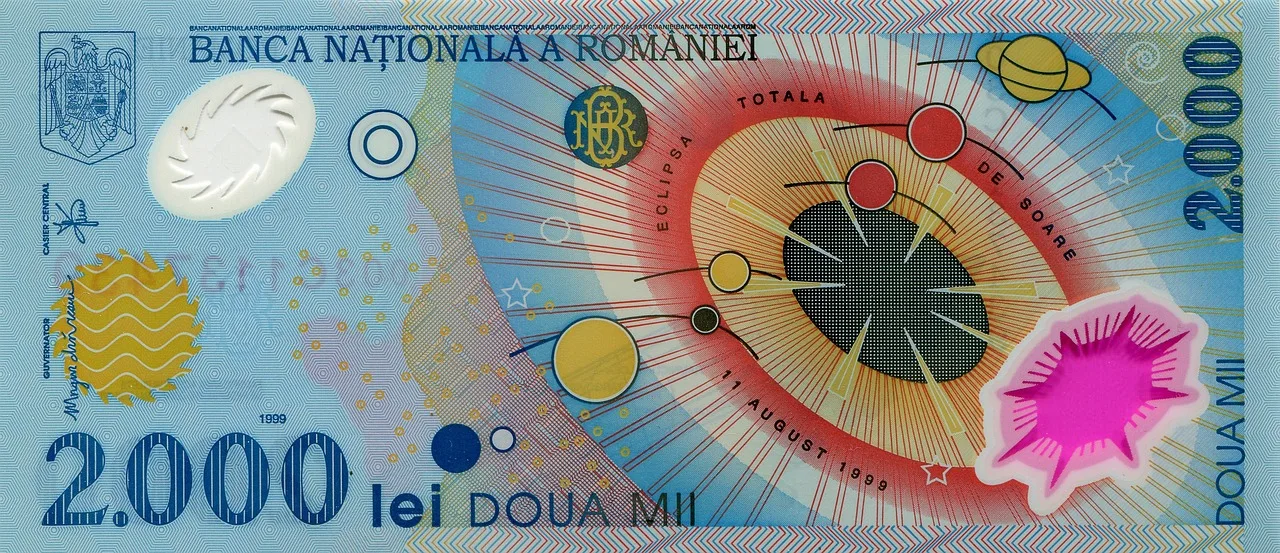
Polymer notes, first pioneered by Australia in 1988, are manufactured using a thin, flexible plastic film. These notes are significantly more resistant to moisture, dirt, and chemical exposure, effectively doubling or tripling the lifespan of the currency in circulation compared to traditional paper counterparts.
Technical and Economic Considerations
The primary driver for the RBI’s interest is the long-term cost-benefit analysis of currency circulation. While the initial production cost of polymer substrates is higher than that of cotton-fiber paper, the extended durability results in lower replacement costs over time.
Security remains a paramount concern for the RBI. Polymer notes allow for the integration of advanced anti-counterfeiting features, such as transparent windows and complex holographic elements that are difficult for illicit actors to replicate. These features provide a robust defense against the threat of forged notes infiltrating the banking system.
Industry experts have noted that the transition is not without challenges. The infrastructure required to process, count, and sort polymer notes differs from the systems currently used for paper currency. Automated Teller Machines (ATMs) and note-counting machines would require hardware adjustments to handle the different texture and friction characteristics of plastic-based notes.
Expert Perspectives and Global Trends
Data from the Bank of Canada and the Bank of England—both of which have successfully transitioned to polymer—suggest that the move leads to a cleaner, more hygienic currency experience for the public. These institutions report a significant reduction in the number of notes removed from circulation due to physical damage.
However, environmental concerns have also been raised by policy analysts. Unlike cotton-fiber paper, which is biodegradable, polymer substrates require specialized recycling processes. The RBI will likely need to conduct rigorous environmental impact assessments before moving from the feasibility stage to full-scale production.
Future Implications for the Financial System
For the average citizen, the transition would mean a shift to notes that are more resistant to the humid climate and accidental handling damage. If the RBI moves forward, the rollout will likely begin with lower-denomination notes to test public reception and logistical compatibility before extending to higher denominations.
Observers should watch for upcoming pilot programs or tenders from the Bharatiya Reserve Bank Note Mudran Private Limited. The pace of this rollout will depend on the findings of the current feasibility study, specifically regarding the cost-efficiency of upgrading existing note-processing machinery nationwide.