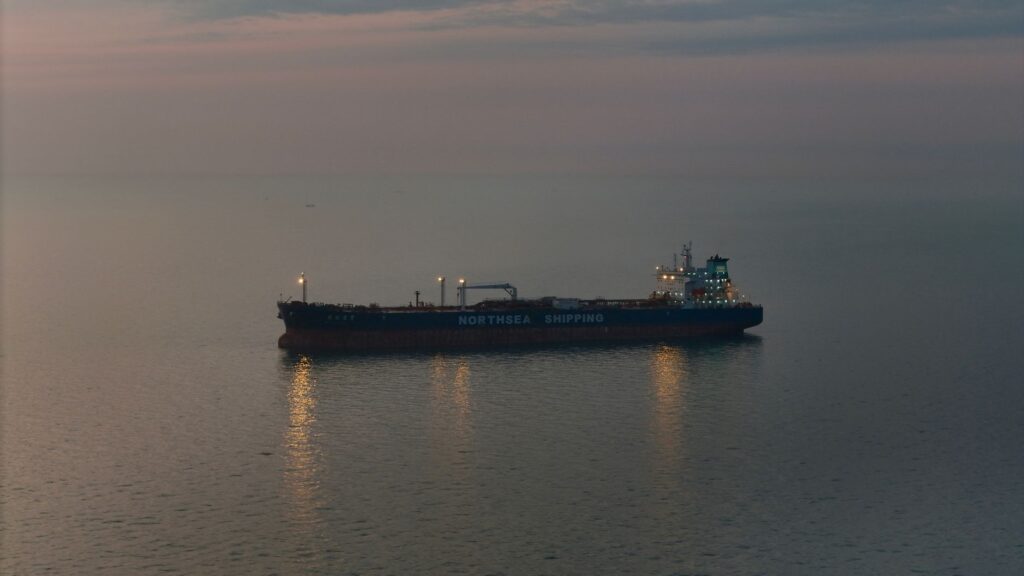

Southwest Airlines took the unprecedented step this spring of chartering an ocean-going tanker to transport Texas-refined jet fuel from Houston to Los Angeles, taking drastic measures to protect its West Coast flight operations against impending fuel shortages and dramatic regional price spikes.
A Mounting Crisis in West Coast Energy Supply
The move marks the first time in the Dallas-based carrier’s history that it has utilized maritime shipping to transport aviation fuel domestically. Historically, major U.S. airlines have relied almost entirely on localized refinery pipelines and regional storage hubs to supply their hub operations.
However, Southern California has faced severe energy supply vulnerabilities following years of structural changes in the refining sector. Environmental mandates, elevated regulatory compliance costs, and the recent conversion of major facilities—such as the Phillips 66 plant in Rodeo, California, shifting to renewable diesel—have steadily curtailed traditional jet fuel refining capacity across the West Coast.
Data from the U.S. Energy Information Administration (EIA) indicates that West Coast jet fuel inventories regularly hover near historic lows during periods of elevated travel demand. When regional refineries encounter unplanned maintenance or power outages, local spot prices for jet fuel frequently soar to massive premiums over the national benchmark, placing financial pressure on carriers operating out of major gateways like Los Angeles International Airport (LAX).
Navigating the Jones Act and Panama Canal Logistics
Executing a domestic waterborne shipment of jet fuel requires strict compliance with the Merchant Marine Act of 1920, commonly known as the Jones Act. The federal law stipulates that all goods transported by water between U.S. ports must travel on vessels built, owned, and operated by U.S. citizens.
Because Jones Act-compliant tankers are limited in availability and command steep daily charter rates, moving fuel from Gulf Coast refineries through the Panama Canal to Southern California represents a costly logistical venture. Southwest’s willingness to incur these elevated transit expenses underlines the magnitude of supply risks threatening its flight schedule.
The chartered tanker loaded fuel along the Texas Gulf Coast—where heavy refining capacity keeps supply plentiful and prices lower—before undertaking a multi-week voyage through the Panama Canal to discharge its cargo at Southern California marine terminals. This maritime buffer allowed Southwest to lock in dedicated fuel reserves, effectively insulating its regional operations from local market shocks.
Expert Analysis and Operational Risk Management
Energy and aviation analysts view Southwest’s strategic shipment as a high-stakes, proactive hedge against operational chaos. Past supply pinches in California have forced airlines to implement emergency measures, such as tanker-loading extra fuel on incoming flights or scheduling unscheduled refueling stops on long-haul routes, both of which severely degrade fleet efficiency and profitability.