




Strategic Consultation Amid Global Volatility
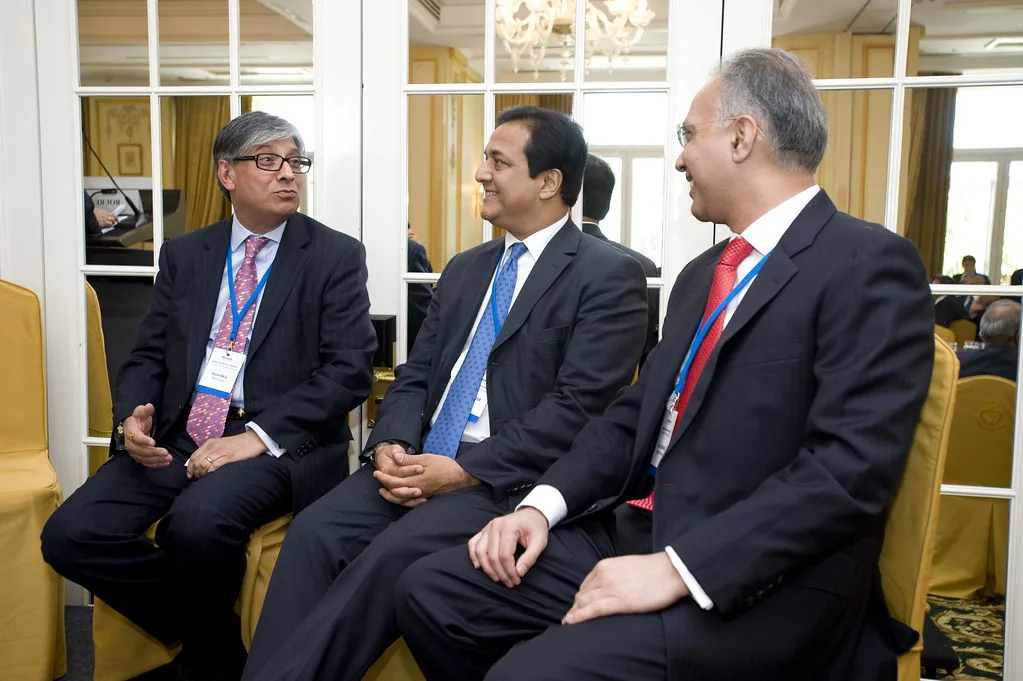
Prime Minister Narendra Modi convened a high-level meeting with the Economic Advisory Council (EAC) on Saturday to evaluate the cascading impacts of the ongoing West Asia conflict on India’s economic stability. The discussion centered on identifying proactive measures to insulate the domestic economy from geopolitical tensions, trade disruptions, and the resulting volatility in global crude oil prices.
Contextualizing the Economic Challenge
The West Asia conflict, which intensified in early 2025, has triggered widespread concern regarding international shipping routes and energy security. These disruptions have historically placed significant upward pressure on inflation and energy costs, forcing nations to re-evaluate their supply chain dependencies. In response, the Indian government has initiated a campaign encouraging citizens to adopt sustainable, indigenous alternatives to reduce reliance on imported fuel and commodities.
Growth Trajectory and Sectoral Performance
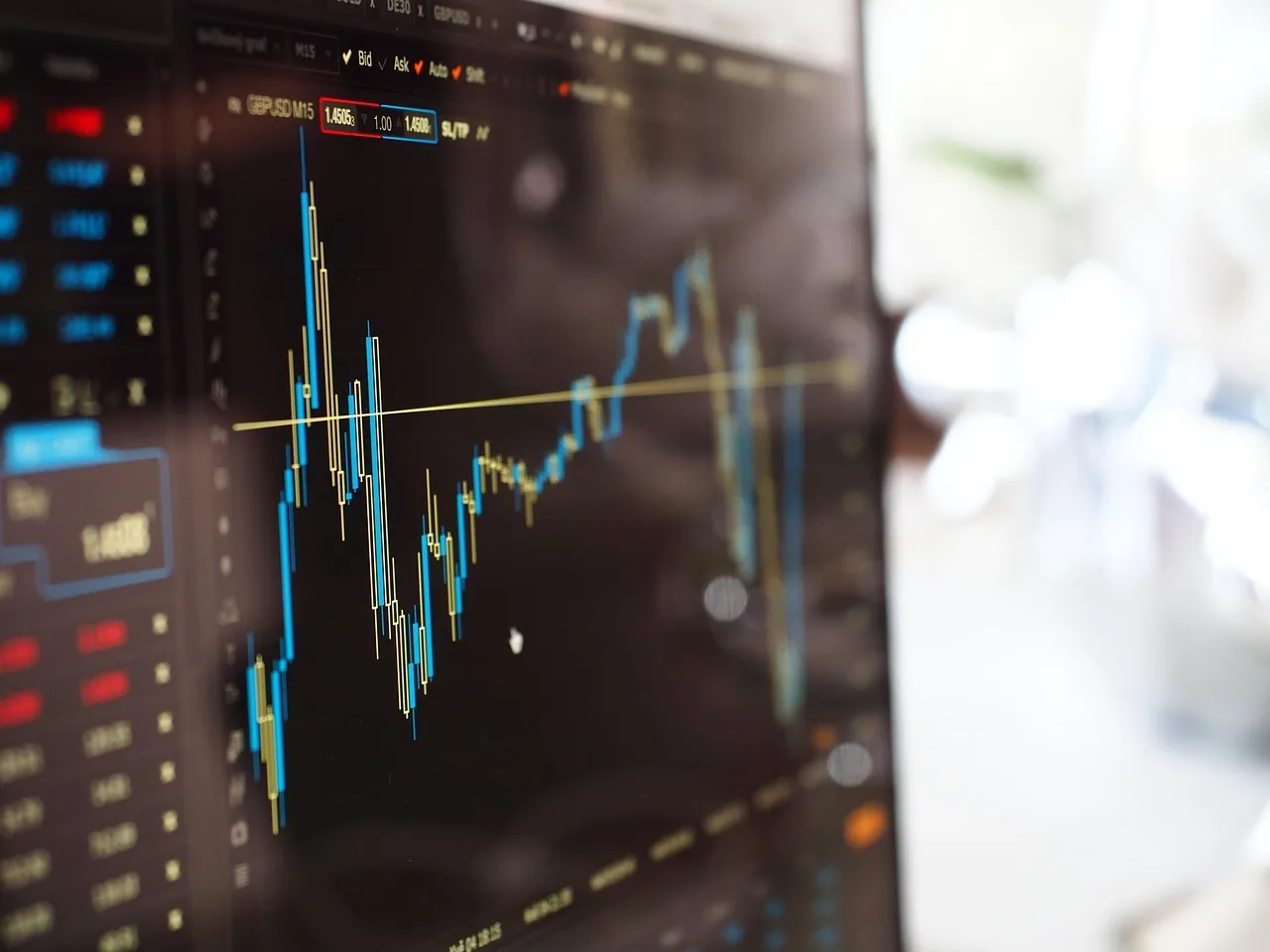
Despite the challenging external environment, India’s economic performance remains robust, with the latest data showing a 7.7 percent real GDP growth rate for the 2025-26 fiscal year. The fourth quarter specifically outpaced expectations at 7.8 percent, driven largely by the secondary and tertiary sectors, which grew at 8.8 percent and 9.3 percent respectively. This growth underscores the resilience of domestic industrial activity and service-oriented sectors even as global markets struggle with uneven recovery trends.
Expert Perspectives on Resilience
Prime Minister Modi emphasized that the strong foundation of the Indian economy is a result of sustained infrastructure development and continuous structural reforms. While acknowledging the severity of the global crisis, the government has maintained that the collective efforts of the populace—ranging from energy conservation to the adoption of electric vehicles—are vital to maintaining momentum. The administration’s focus remains on the triad of reform, performance, and transformation to sustain India’s position as the world’s fastest-growing major economy.
Future Implications and Monitoring
Looking ahead, the government is expected to continue its push for ‘Swadeshi’ products and energy-efficient logistics to mitigate the impact of prolonged external shocks. Observers will be closely monitoring upcoming trade policy adjustments and potential state-led incentives for renewable energy transition to further decouple India’s growth from imported fuel prices. The resilience of the secondary sector will remain a critical barometer for the success of these ongoing economic strategies throughout the remainder of the year.