




Rising Costs of Essential Fuel
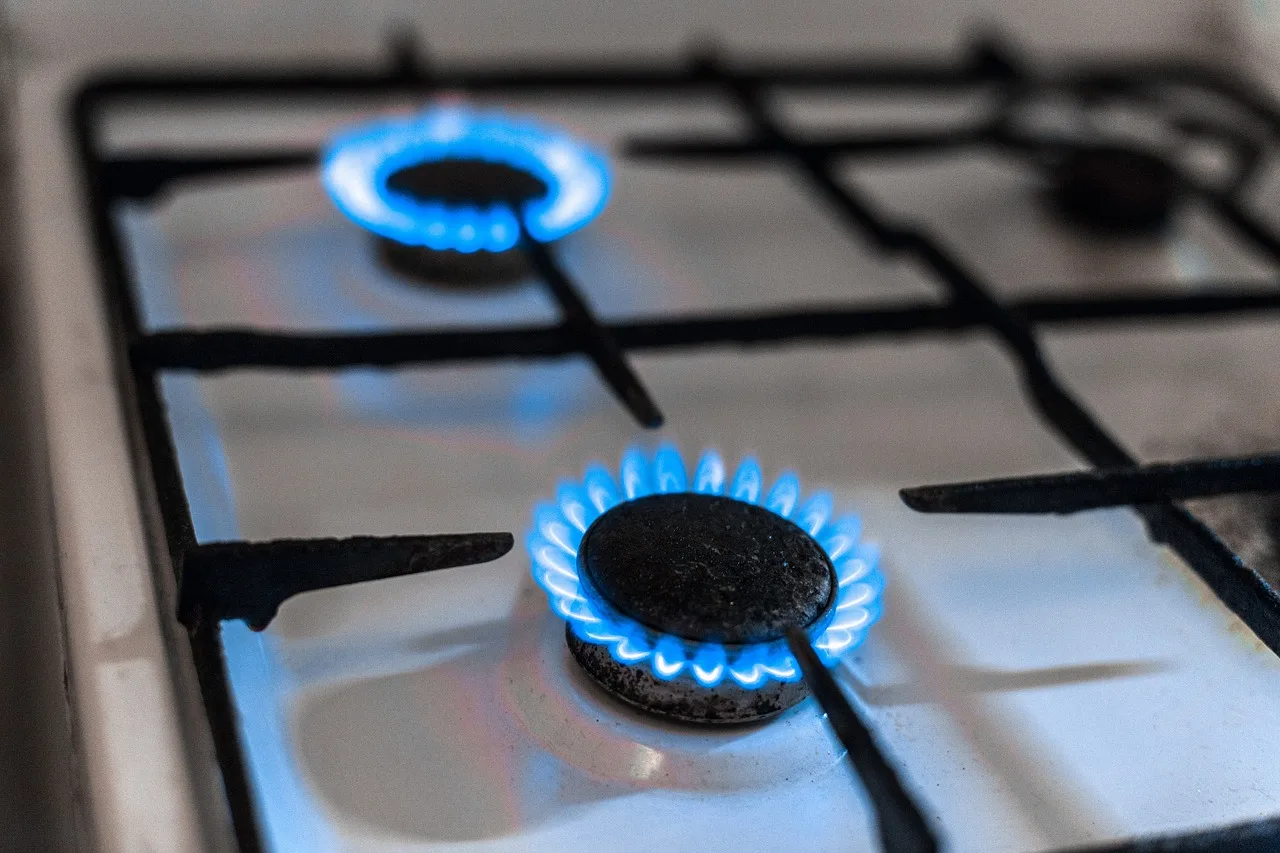
Households across India are facing renewed financial pressure as oil marketing companies implemented a sharp hike of Rs 29 per 14.2-kg domestic Liquefied Petroleum Gas (LPG) cylinder this June. The increase brings the price of a standard cooking gas cylinder in the national capital, Delhi, to Rs 942, marking a significant escalation in the cost of living for millions of residents.
This price revision follows a period of volatile global energy markets, which have seen sustained pressure on crude oil and natural gas import costs. The adjustment reflects the pass-through mechanism used by distributors to align domestic retail rates with international benchmark prices.
The Context of Energy Inflation
LPG price adjustments in India are historically tied to the Saudi CP (Contract Price), the global benchmark for fuel imports. When international energy costs climb, domestic prices typically follow suit, regardless of local demand cycles.
For the average Indian household, cooking gas represents a significant portion of the monthly utility budget. The cumulative effect of these incremental hikes over the past year has forced families to re-evaluate their consumption patterns and household expenditures.
Economic Ripples in the Hospitality Sector
The impact of rising LPG costs extends well beyond residential kitchens, hitting the commercial hospitality sector particularly hard. Restaurants and small-scale food vendors, which operate on thin margins, are struggling to absorb the increased operational costs.
Industry reports indicate that many eateries are being forced to modify their menus to remain solvent. Some establishments have shifted away from elaborate, multi-course offerings toward streamlined, high-margin staples like dosas and biryani to minimize fuel usage and labor costs.
“The cost of fuel is a non-negotiable overhead,” noted an industry analyst. “When LPG prices jump, the restaurant owner has two choices: pass the cost to the consumer or reduce the complexity of their kitchen operations. We are seeing both trends play out simultaneously across the country.”
Market Data and Consumer Impact
Data from major metropolitan hubs including Mumbai, Bengaluru, and Hyderabad show a parallel trajectory in price hikes, reflecting a unified national market shift. The consistent rise in both domestic and commercial cylinder rates has prompted calls for government intervention or subsidies to protect vulnerable low-income households.
Economic experts suggest that if energy prices remain elevated, the inflationary impact could spill over into the broader Consumer Price Index (CPI). As transportation and logistics costs often track with fuel price trends, the ripple effect of rising LPG prices may eventually manifest in higher retail prices for other essential goods.
Future Outlook and Industry Watch
Market watchers are now monitoring international crude oil futures to predict the duration of this inflationary trend. Should global supply chains stabilize, consumers may see a pause in these monthly hikes, though a return to lower price points remains unlikely in the short term.
As the sector navigates this volatility, stakeholders should watch for potential government policy shifts regarding fuel subsidies. Any legislative move to provide relief to commercial vendors or low-income families will be a critical indicator of how the government plans to balance fiscal responsibility with public welfare in the coming months.