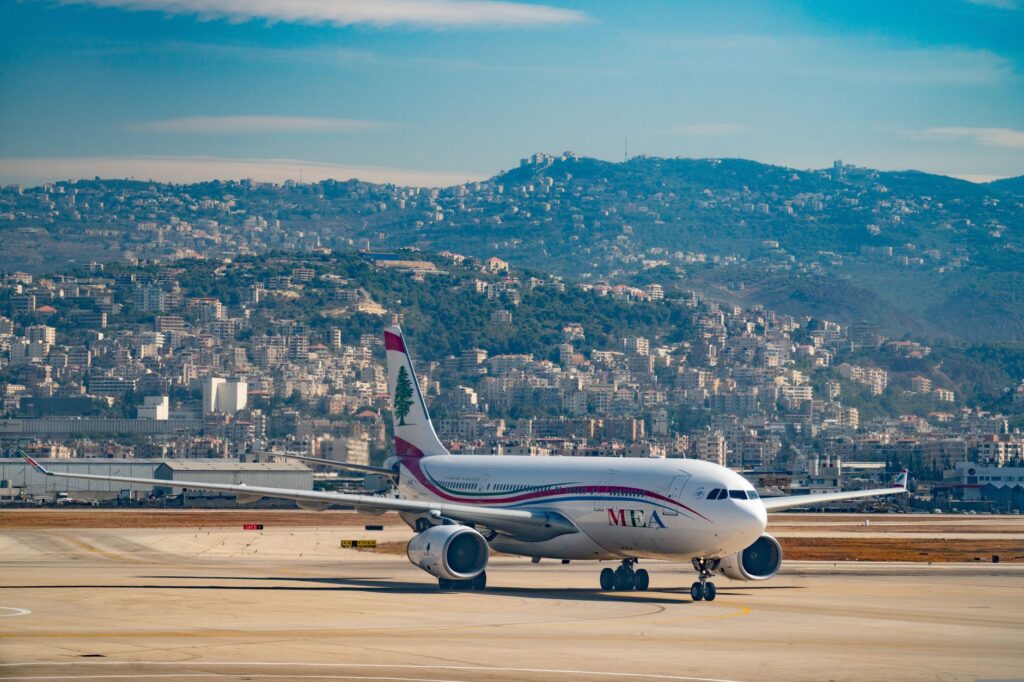

WASHINGTON — President Donald Trump has officially lifted the decades-old ban on direct flights between the United States and Lebanon, marking a major geopolitical and economic shift. The decision, announced by the White House, ends a 39-year-old aviation restriction that had been in place since 1985. The administration cited significant security improvements at Beirut’s international airport and a desire to strengthen bilateral ties as key factors driving the policy change.
The Legacy of the 1985 Prohibition
The ban was originally instituted by President Ronald Reagan in June 1985 following the high-profile hijacking of TWA Flight 847 by Hezbollah militants. During the 17-day hostage crisis, U.S. Navy diver Robert Stethem was murdered, and the hijackers forced the plane to land multiple times at Beirut-Rafic Hariri International Airport. In response, the U.S. government prohibited all direct commercial air travel between the two nations, citing severe systemic security failures at the Beirut terminal.
For nearly four decades, the restriction forced hundreds of thousands of travelers to take indirect routes. Passengers traveling between the U.S. and Lebanon had to transit through European or Gulf hubs, adding significant travel time and financial costs. The ban stood as a long-standing symbol of Lebanon’s isolation from Western aviation networks.
Security Upgrades and Diplomatic Push
The lifting of the ban follows years of rigorous technical evaluations by international aviation authorities. In recent years, the Lebanese government, with international assistance, invested millions of dollars to upgrade security infrastructure at Beirut-Rafic Hariri International Airport. These improvements included advanced baggage screening technology, biometric passenger verification, and enhanced perimeter security controls.
The U.S. Department of Homeland Security and the Federal Aviation Administration (FAA) recently conducted comprehensive assessments of the airport’s facilities. According to diplomatic sources, these audits concluded that the airport now meets the stringent international security standards required for direct U.S. flights. The decision is also viewed as a strategic diplomatic gesture to support Lebanese sovereignty and stabilize the nation amidst ongoing regional challenges.
Economic Lifeline for a Struggling Nation
Aviation and economic analysts predict the decision will provide a substantial boost to Lebanon’s economy, which has been mired in a severe financial crisis since 2019. According to World Bank data, tourism and remittances from the diaspora are vital pillars of the Lebanese economy. Direct flights are expected to lower travel costs, encourage tourism, and facilitate seamless business travel between the two nations.
The Lebanese diaspora in the United States is estimated to be over several hundred thousand strong, with major communities concentrated in Michigan, California, Massachusetts, and Texas. Direct air links will make it significantly easier for families to connect and for expatriates to invest directly back into their home country.
Aviation Industry Response and Logistics
Middle East Airlines (MEA), Lebanon’s national carrier, has long expressed its desire to operate direct routes to North America. The airline, which possesses a modern fleet capable of transatlantic flights, is expected to be the first to apply for direct service to major U.S. entry ports such as New York (JFK), Boston (BOS), and Detroit (DTW).
However, industry experts note that commercial flights will not resume overnight. “While the political barrier has been removed, airlines must now navigate a complex regulatory approval process,” said aviation analyst Courtney Miller. “Securing landing slots, establishing TSA-approved security protocols at the gate level, and finalizing code-share agreements can take anywhere from six months to a year.”
What to Watch Next
In the coming months, observers should watch for the official filing of route requests by MEA and potentially major U.S. carriers looking to establish code-share partnerships. The U.S. Transportation Security Administration (TSA) is expected to establish a permanent presence or regular audit schedule at Beirut’s airport to ensure compliance remains consistent. Additionally, the geopolitical reaction from regional neighbors and the domestic political landscape in Lebanon will play a crucial role in the smooth implementation of these new flight paths.