
Delhi-based water technology company Boon announced this month a major strategic expansion, pivoting from its established B2B back-end purification infrastructure into the highly competitive consumer-facing retail market. The move represents a significant shift for the firm, which has spent nearly a decade quietly powering the water filtration systems of major luxury hotels, corporate offices, and institutional clients across India and international markets.
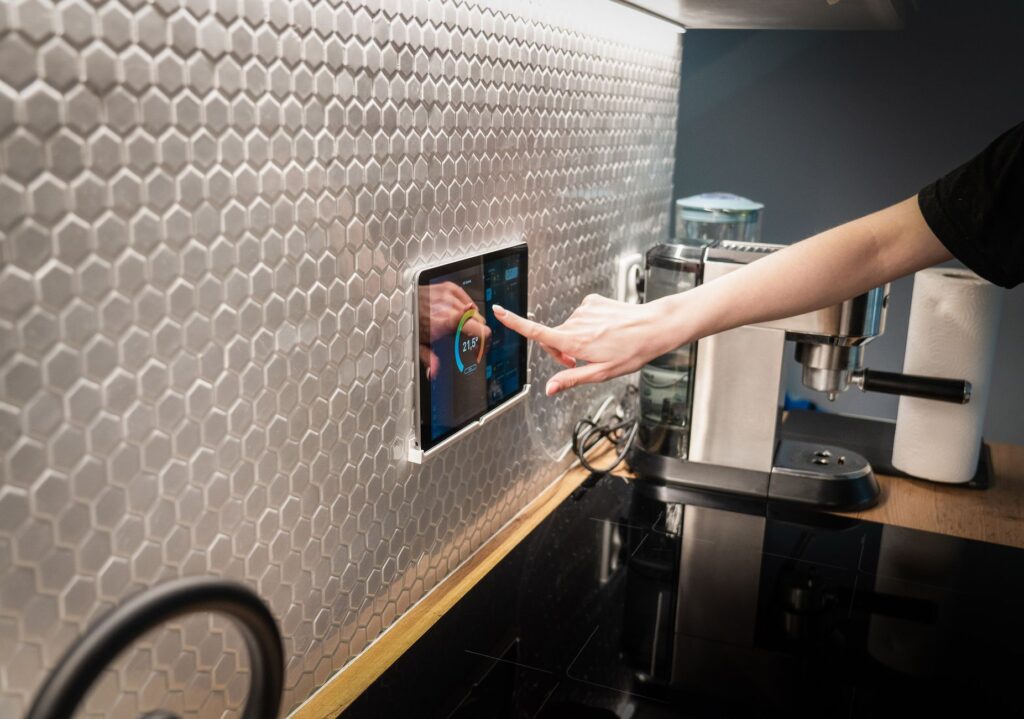
By launching a direct-to-consumer (D2C) line of smart, IoT-enabled home water purifiers, Boon aims to capture a share of the rapidly growing residential water purification sector. Company executives state the expansion will leverage their proprietary technology to give households real-time data regarding their drinking water quality, challenging traditional players who rely on passive filtration systems.
From Behind the Scenes to the Kitchen Counter
For years, Boon, formerly known as Swajal, operated primarily behind the scenes. The company pioneered the “Water-as-a-Service” (WaaS) model, installing zero-mile glass water bottling plants in premium hospitality venues, including properties managed by Marriott, Hyatt, and Taj Group. This B2B model successfully eliminated millions of single-use plastic bottles by purifying and bottling water on-site.
However, the company’s proprietary technology remained largely invisible to the average consumer, hidden in hotel pantries, commercial kitchens, and corporate utility rooms. Despite this low consumer profile, the company built a robust technological foundation, refining its filtration algorithms and remote monitoring systems across hundreds of high-demand commercial locations.
The decision to enter the consumer market comes at a time when urban households are increasingly demanding healthier, more transparent, and highly sustainable lifestyles. According to recent market reports, rising concerns over groundwater contamination and microplastics have accelerated the demand for advanced residential water purification systems globally.
Leveraging IoT and Predictive Intelligence
At the core of Boon’s consumer push is its proprietary AI-and-IoT platform, Clairvoyant. Unlike traditional home water purifiers that operate on fixed calendar-based maintenance schedules, Boon’s systems monitor water quality, filter health, and flow rates in real-time. This allows the system to adjust filtration intensity based on the incoming water quality of specific neighborhoods.
Data from the company indicates that Clairvoyant can predict filter degradation before it impacts water quality, automatically scheduling maintenance visits and dispatching replacement parts. This proactive approach addresses a common pain point for residential consumers, who often neglect filter replacements or suffer from sudden system failures without their knowledge.
Industry analysts note that this technological edge could help Boon stand out in a crowded marketplace. The Indian residential water purifier market, valued at approximately $900 million in 2023, is projected to grow at a compound annual growth rate (CAGR) of over 9% through 2030, driven by rising health awareness and deteriorating municipal water infrastructure in tier-1 and tier-2 cities.
Challenging the Established Giants
Entering the consumer market pits Boon against entrenched industry giants like Eureka Forbes, Kent RO Systems, and Blue Star. These legacy brands have spent decades building extensive physical distribution networks and high brand recall among middle-class households. Breaking into this segment requires not just technological superiority, but also massive marketing capital and reliable last-mile service delivery.
To compete, Boon is positioning itself as a premium, eco-friendly alternative to standard reverse osmosis (RO) systems. Traditional RO systems are notorious for wasting up to 70% of input water, a major concern in water-stressed urban areas. Boon claims its advanced multi-stage filtration systems significantly improve water recovery rates, aligning with the eco-conscious values of younger, urban demographics.
Furthermore, Boon is introducing flexible, subscription-based pricing models. By minimizing the upfront acquisition cost that often deters buyers from adopting high-end purification systems, the company hopes to lower the barrier to entry and establish a predictable, recurring revenue stream from its consumer base.
Market Implications and What to Watch Next
Boon’s transition from an institutional supplier to a household brand will serve as a critical test of whether high-tech B2B solutions can successfully translate to the consumer retail space. If successful, it could prompt legacy manufacturers to accelerate their own smart-home integrations and adopt more transparent, real-time water-quality reporting features.
For consumers, the entry of tech-first players like Boon promises to democratize access to advanced filtration metrics, transforming a passive kitchen appliance into an active health-monitoring device. The shift could also spark a broader industry movement toward circular economy models, reducing electronic waste and consumer maintenance burdens through predictive servicing.
Moving forward, industry watchers should monitor Boon’s retail distribution strategy and its ability to scale its customer service network to handle thousands of individual households. The company’s upcoming marketing campaigns and initial regional rollouts in major metropolitan areas will provide the first clear indicators of how readily consumers will embrace this new era of data-driven, sustainable hydration.