
The International Monetary Fund (IMF) warned on Tuesday in Washington, D.C., that the global economy now possesses significantly less capacity to absorb the shock of energy supply disruptions through the Strait of Hormuz. The warning comes as escalating hostilities between the United States and Iran threaten critical maritime trade routes, raising fears of a renewed global energy crisis.
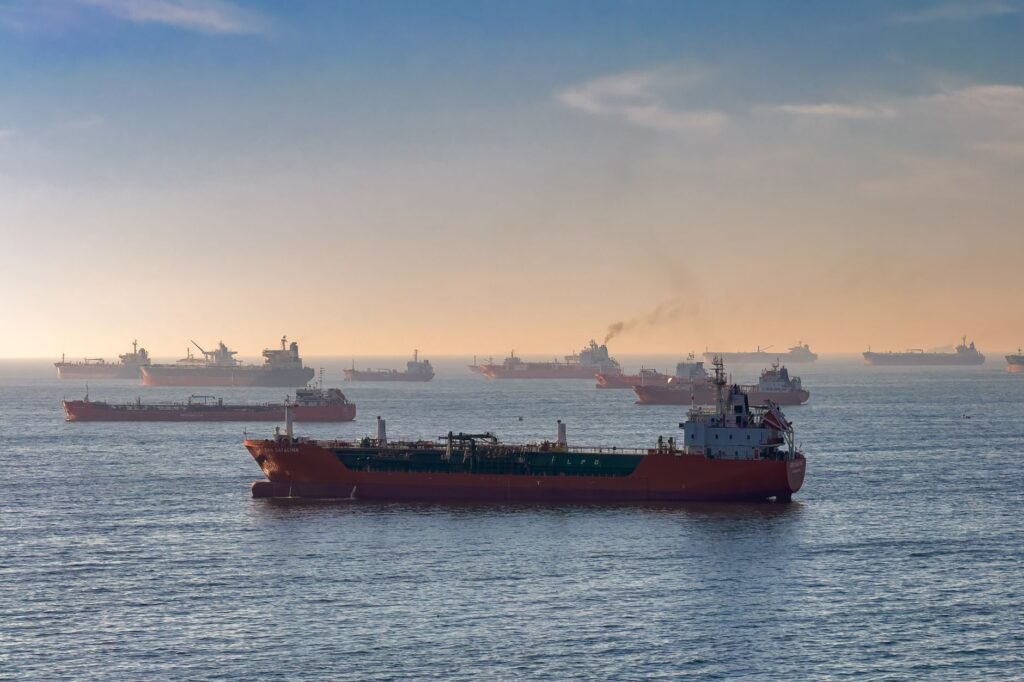
The Strait of Hormuz, a narrow waterway situated between Oman and Iran, remains the world’s most critical oil transit chokepoint. Approximately one-fifth of the world’s total petroleum consumption passes through this route daily, linking major Middle East producers to vital markets in Asia, Europe, and North America.
The Strategic Importance of the Strait
Recent military escalations in the region have heightened fears of a potential blockade or targeted attacks on commercial vessels. The IMF’s assessment highlights how today’s macroeconomic landscape differs from previous energy crises, leaving little room for error as geopolitical risks rise.
Unlike in previous decades, global economic buffers are currently stretched thin. High sovereign debt levels, persistent inflationary pressures, and elevated interest rates have limited the fiscal and monetary tools available to central banks and governments worldwide.
According to IMF data, global public debt is projected to exceed $100 trillion this year, leaving governments with minimal borrowing capacity to subsidize energy costs for consumers. At the same time, central banks remain cautious about cutting interest rates too quickly, fearing a resurgence of inflation if energy prices spike.
Diminishing Economic Cushions
Commercial crude stockpiles among member countries of the Organization for Economic Co-operation and Development (OECD) also sit below their five-year historical averages. This lack of physical reserves limits the immediate supply buffer needed to stabilize global markets in the event of an abrupt stoppage.
Energy analysts warn that even a temporary disruption in the strait could trigger immediate volatility in Brent and West Texas Intermediate (WTI) crude benchmarks. Economists estimate that a prolonged closure of the shipping lane could push oil prices well above $100 per barrel, sparking a renewed wave of global inflation.
“The global economy is running on thin margins,” said Pierre-Olivier Gourinchas, the IMF’s Chief Economist, during a press briefing. Gourinchas noted that while global demand has remained resilient, the supply-side risks are now more concentrated and less defended than at any point since the pandemic.
Emerging Markets at Risk
The vulnerability is particularly acute for emerging market economies, which rely heavily on imported oil and have less financial flexibility to withstand price shocks. A sudden increase in energy costs could trigger currency depreciation, capital flight, and debt distress in these fragile regions.
Shipping companies are already preparing for worst-case scenarios, including rerouting vessels around the Cape of Good Hope. However, this detour adds up to two weeks to transit times, significantly increasing freight costs, insurance premiums, and carbon emissions.
For industries reliant on just-in-time manufacturing, any prolonged maritime disruption will likely translate into supply chain delays and increased production costs. Consumers can expect these costs to filter down to retail prices, particularly in energy-intensive sectors like agriculture, chemicals, and transport.
Global Trade Realities and What to Watch
In the coming weeks, market observers will closely monitor diplomatic efforts to de-escalate tensions in the Persian Gulf. Additionally, the actions of OPEC+ nations regarding their spare production capacity will be critical in determining whether alternative supply routes can mitigate a potential shortfall.
Governments are also expected to accelerate strategic reserve releases and reassess their domestic energy security policies. The unfolding situation will test the resilience of the international trade network and force a rapid reevaluation of risk management in global energy logistics.