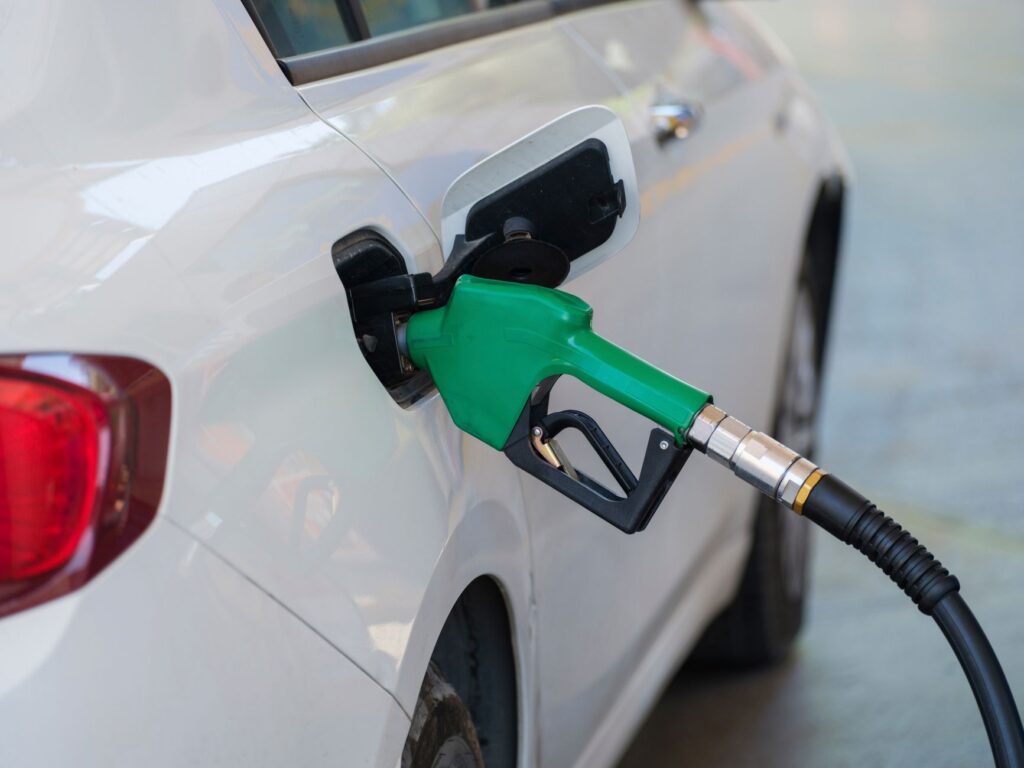

American consumer confidence climbed in early July as declining gasoline prices provided much-needed relief to household budgets across the United States. The University of Michigan’s preliminary consumer sentiment index, released on Friday, revealed a notable uptick in how households view both their personal finances and the country’s economic trajectory. This unexpected rebound suggests that easing inflationary pressures, particularly at the pump, are beginning to lift the dense cloud of economic pessimism that has persisted for most of the year.
Understanding the Consumer Sentiment Index
The University of Michigan’s Surveys of Consumers, conducted monthly for over several decades, serves as a vital barometer for the health of the U.S. economy. By measuring consumer expectations and current economic conditions, the survey helps economists and policymakers predict future consumer spending patterns. Because consumer spending drives roughly 70 percent of U.S. gross domestic product (GDP), the sentiment index is a critical leading indicator of economic growth or contraction.
Over the past year, soaring inflation had pushed sentiment indices to historic lows, fueling widespread fears of an impending recession. In June, the index hit an all-time low of 50.0 as Americans grappled with the highest inflation rate in four decades. This prolonged period of high prices for everyday essentials like food, rent, and energy had severely eroded real wages, leaving consumers highly sensitive to any shifts in the cost of living.
Fuel Prices Drive the July Turnaround
The primary catalyst for the July rebound was a steady and highly visible decline in retail gasoline prices from their record highs. According to data from the American Automobile Association (AAA), the national average for a gallon of regular unleaded gas fell from over $5.00 in mid-June to approximately $4.60 by mid-July. This drop directly impacted household balance sheets, freeing up disposable income and immediately improving public perception of the inflation outlook.
The preliminary July reading for the consumer sentiment index rose to 51.1, up from the record low of 50.0 recorded in June. The current economic conditions component of the survey saw an even larger jump, rising to 57.1 from 53.8 in the previous month. While these figures remain historically depressed compared to pre-pandemic levels, the stabilization indicates that consumers are reacting quickly and positively to marginal relief in energy markets.
Economists note that highly visible prices, such as gasoline and groceries, have a disproportionately large impact on consumer psychology. When gas prices drop, consumers feel an immediate psychological lift, even if other long-term costs like housing and healthcare remain elevated. This “pump effect” has historically played a significant role in swings in public economic confidence.
Expert Perspectives and Data Points
“Consumers showed a noticeable easing in their inflation expectations, which is a welcome sign for the Federal Reserve,” said Joanne Hsu, Director of the Surveys of Consumers, in a statement accompanying the release. Hsu noted that while inflation remains the top concern for the vast majority of households, the stabilization of long-term inflation expectations suggests that consumers believe price pressures will eventually subside. Specifically, the median expected inflation rate for the year ahead fell to 5.2%, down from 5.3% in June.
Despite the positive bump, some market analysts urge caution before declaring an economic turnaround. Many strategists point out that the labor market remains exceptionally tight, which supports wage growth but also feeds into persistent service-sector inflation. Additionally, the Federal Reserve’s aggressive interest rate hikes, aimed at cooling the economy, threaten to increase borrowing costs for credit cards, mortgages, and auto loans, potentially offsetting the gains from lower fuel costs.
Other data points from the survey paint a mixed picture. While short-term expectations improved, the index of consumer expectations—which measures how Americans feel about the economy six months to a year from now—declined slightly to 47.3, down from 47.5. This divergence indicates that while consumers appreciate the immediate relief at the pump, they remain deeply anxious about the long-term health of the economy and the potential for a recession.
What Lies Ahead for Retailers and Policymakers
For retailers and consumer-facing businesses, this uptick in sentiment offers a glimmer of hope ahead of the crucial back-to-school shopping season. If fuel prices continue their downward trajectory, household spending may hold up better than anticipated, preventing a sharper economic slowdown. However, businesses must remain agile, as consumer loyalty is highly strained by high prices, prompting many to trade down to cheaper generic brands or reduce non-essential purchases.
For policymakers at the Federal Reserve, the slight improvement in sentiment and the drop in inflation expectations provide some breathing room, but do not change the overall trajectory of monetary policy. The central bank is still expected to raise interest rates significantly in its upcoming meetings to ensure inflation returns to its 2% target. Analysts will be watching closely to see if the July improvement in consumer sentiment represents a temporary relief rally or the beginning of a sustained recovery in economic confidence as supply chain bottlenecks ease and energy markets stabilize.