





Economic Surge Driven by Tech Dominance
South Korea’s export sector recorded a staggering growth of over 60% in May, fueled primarily by a global resurgence in demand for semiconductors. This sharp increase, reported by the Ministry of Trade, Industry and Energy, has significantly bolstered the nation’s gross domestic product (GDP) and expanded its trade surplus, providing a robust foundation for the Bank of Korea to maintain a hawkish monetary policy.
The export boom marks a pivotal recovery for the South Korean economy, which has navigated global inflationary pressures and supply chain volatility over the past year. By outperforming initial trade expectations, the country has solidified its position as a critical node in the global technology supply chain.
Contextualizing the Semiconductor Recovery
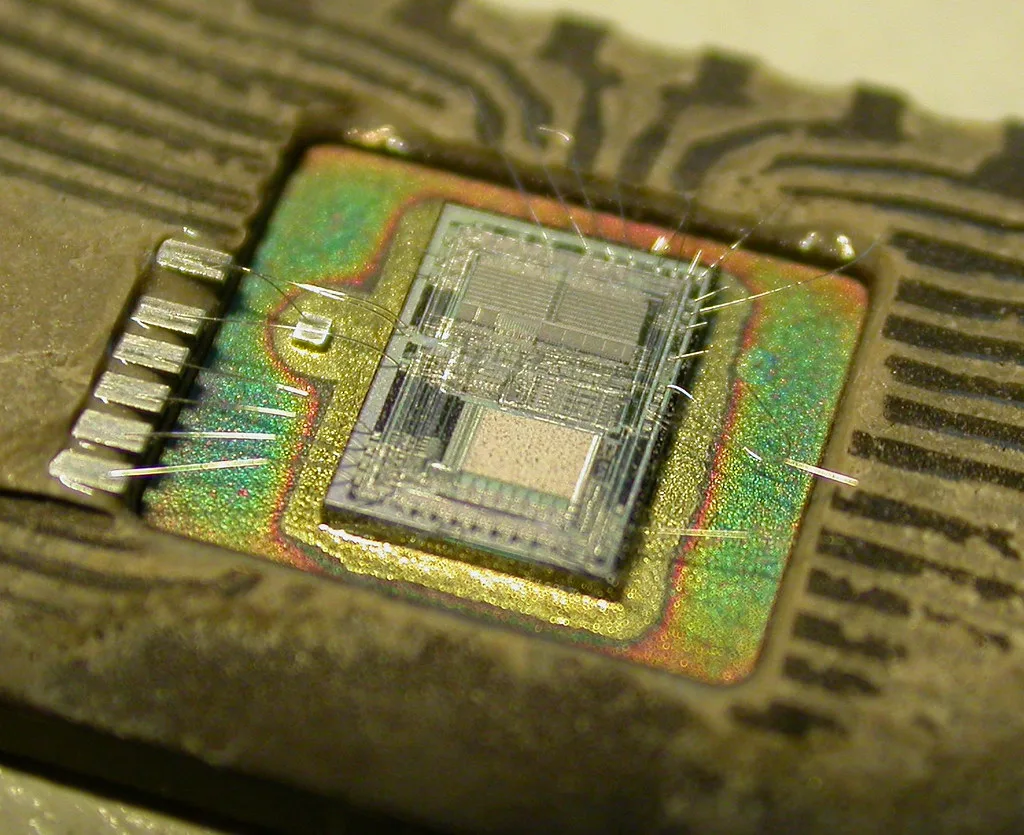
The semiconductor industry serves as the backbone of South Korea’s export-oriented economy, accounting for a significant portion of its total outbound trade. Following a period of sluggish demand caused by high inventories and waning consumer electronics sales in 2023, the market has shifted dramatically.
Artificial intelligence development and the subsequent demand for high-bandwidth memory (HBM) chips have created a fresh cycle of growth for industry giants like Samsung Electronics and SK Hynix. This resurgence is not merely a localized trend but reflects a broader global pivot toward AI-integrated infrastructure.
Analyzing the Trade Surplus and Monetary Policy
The surge in exports has directly contributed to a widening trade surplus, providing the Bank of Korea with greater flexibility regarding interest rates. Governor Rhee Chang-yong has consistently signaled a cautious approach to monetary easing, citing the need to stabilize inflation before considering rate cuts.
Data from the Bank of Korea suggests that with export-led growth exceeding previous forecasts, there is less immediate pressure to stimulate the domestic economy through aggressive monetary loosening. This hawkish stance aims to manage household debt levels while ensuring that the current economic expansion remains sustainable rather than inflationary.
Expert Perspectives on Future Growth
Market analysts point to the sustainability of the semiconductor super-cycle as the primary indicator for the remainder of the year. While the 60% growth figure is partially amplified by year-over-year base effects, the underlying volume of chip shipments remains historically high.
Economists at major investment firms have revised their annual GDP growth projections upward for South Korea, citing the export momentum as a key driver. However, experts warn that the nation remains vulnerable to geopolitical tensions and potential fluctuations in trade relations with key partners like China and the United States.
Implications for the Global Market
For international investors, the South Korean data serves as a bellwether for the health of the global tech sector. As South Korea continues to ramp up production, the increased supply of advanced memory chips could alleviate bottlenecks in the global AI hardware market.
Domestic businesses are expected to benefit from the strengthening Won, though manufacturers may face increased costs for imported raw materials. Looking ahead, stakeholders should monitor the Bank of Korea’s upcoming board meetings for any shift in rhetoric regarding interest rate adjustments. The primary focus for the next quarter remains whether this export intensity can translate into sustained domestic consumption and private investment, ensuring the recovery is felt beyond the semiconductor sector.