




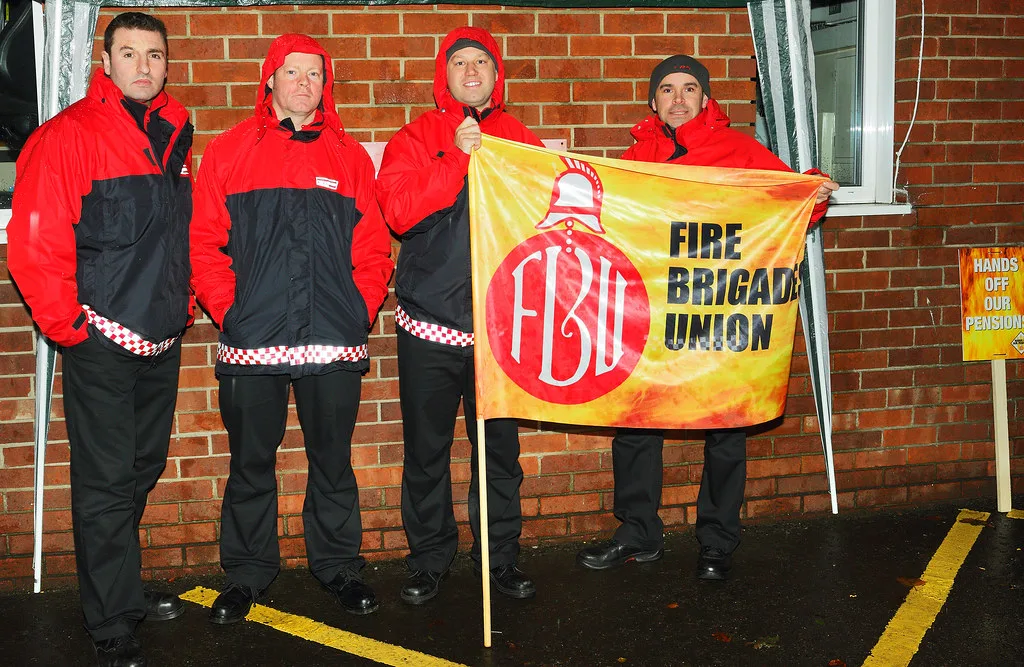
Members of the Canadian Union of Public Employees (CUPE) Local 1632 in Vanderhoof, British Columbia, voted overwhelmingly in favour of strike action this week, signaling a significant escalation in a long-standing labour dispute. The vote follows months of stalled negotiations after the municipal mayor and council refused to ratify a tentative agreement previously reached at the bargaining table.
The Road to Impasse
The labour dispute centers on a breakdown in the collective bargaining process between the municipality and its workforce. After months of discussions, union representatives and city negotiators had initially arrived at a tentative settlement.
However, the agreement hit a wall when the municipal council declined to formalize the deal. This rejection left union members frustrated, prompting the request for a strike mandate to leverage their position in future talks.
Context of the Dispute
Municipal labour relations in smaller B.C. interior communities have been increasingly strained by rising inflation and cost-of-living adjustments. CUPE 1632 represents a diverse group of essential workers who maintain the infrastructure and services required for daily operations in Vanderhoof.
Historically, municipalities and their unions seek to avoid service disruptions through mediation. The decision to move toward a strike mandate suggests that informal channels for reconciliation have been exhausted, placing the onus on city leadership to return to the table with a new proposal.
Impact on Municipal Services
A strike by local government employees would likely impact a wide range of public services. Residents could face interruptions in facility maintenance, administrative processing, and public works projects that are critical to the town’s functionality.
According to data from the B.C. Labour Relations Board, municipal strikes often lead to mandatory essential service designations to ensure public safety. However, even with these safeguards, the day-to-day convenience of municipal administrative services is expected to diminish should a full work stoppage occur.
Expert Perspectives
Labour relations analysts note that a high-percentage strike vote is a standard tool used to demonstrate solidarity and resolve. It serves as a clear signal to the employer that the membership is prepared to back their bargaining committee with collective action.
While a strike vote does not guarantee an immediate walkout, it provides the union with the legal authority to trigger job action if a new deal is not reached. The legal framework in British Columbia requires a cooling-off period and, in many cases, further mediation before a strike can officially commence.
Future Implications
The immediate focus now shifts to whether the municipal council will offer a revised proposal that meets the union’s requirements. If no progress is made, the union is expected to provide formal strike notice, which will set a specific timeline for potential service disruptions.
Residents and business owners in Vanderhoof should monitor official municipal communications for updates on service availability. The coming weeks will be critical as both parties determine whether they can bridge the gap or if the community faces a period of operational uncertainty.