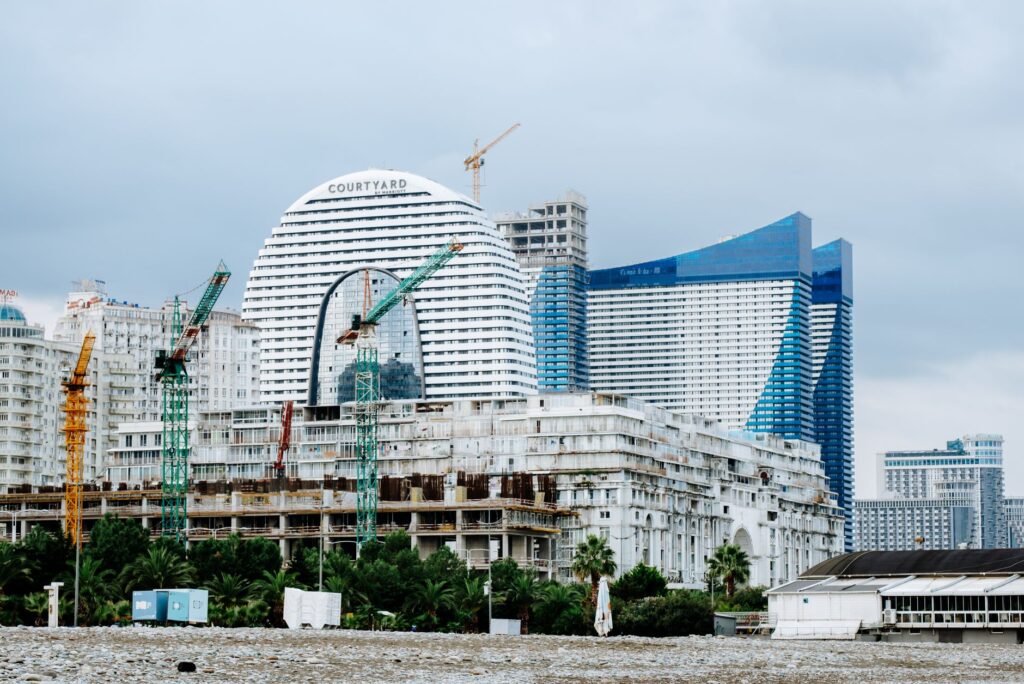

India’s hospitality sector is facing intense scrutiny from institutional investors this quarter as hotel chains race to deliver on an ambitious national pipeline of over 300,000 rooms by 2029. With major listed players announcing aggressive expansion plans across metro hubs and emerging leisure destinations, the market focus has abruptly shifted from mere signing announcements to the concrete execution and timely launch of these properties to sustain revenue growth.
The Race to Build: Context of India’s Hotel Boom
The Indian hospitality industry has experienced a post-pandemic renaissance, driven by surging domestic tourism, a revival in corporate travel, and major government infrastructure initiatives. To capitalize on this demand, major hospitality brands have committed to unprecedented portfolio expansions over the next five years.
Industry reports indicate that the current nationwide inventory of approximately 180,000 branded rooms must scale rapidly to meet projected demand. This supply-demand gap has attracted significant capital, but it has also heightened the stakes for developers who must now navigate complex local supply chains and regulatory environments.
Shifting Investor Focus from Pipeline to Execution
Listed hospitality companies are finding that stock market valuations are increasingly tied to operational milestones rather than future promises. Analysts note that paper pipelines no longer guarantee stock price premiums, as investors demand visible cash flows from active properties.
Delays in project delivery represent a major risk for listed entities, directly impacting quarterly earnings and return on capital employed (ROCE). Consequently, hotel boards are prioritizing project management offices and streamlining construction phases to avoid costly overruns.
The transition from a high-growth phase to a stabilizing market means that operational efficiency is now the primary driver of shareholder value. Companies that fail to open doors on schedule risk losing market share to nimbler competitors who are rapidly securing prime real estate.
Industry Data and Expert Perspectives
According to recent data from hospitality consultancy firms, project delays in the Indian real estate sector historically range from 12 to 24 months due to land acquisition issues and bureaucratic red tape. However, the current cycle demands unprecedented speed, with top-tier brands targeting construction-to-opening timelines of under 36 months for mid-scale and upscale properties.
Market analysts emphasize that the stabilizing average daily rates (ADR) across major Indian cities make timely execution even more critical. When rate growth begins to normalize, volume growth—driven by new room supply—becomes the primary engine for top-line expansion.
Furthermore, rising construction material costs and labor shortages in key metropolitan areas are squeezing development margins. Hotel operators are increasingly adopting pre-fabricated construction technologies and standardized designs to mitigate these macroeconomic pressures.
Implications for the Industry and What to Watch Next
The urgency to execute will likely trigger a wave of strategic partnerships and consolidation within the Indian hospitality landscape. Independent developers may seek alliances with international brands to leverage global supply chains and project management expertise.
In the coming quarters, stakeholders should closely monitor the quarterly capital expenditure disclosures of major listed hospitality firms. The speed at which capital work-in-progress (CWIP) transitions into operational assets will serve as the key differentiator between market leaders and laggards.
As the 2029 deadline approaches, the ultimate success of India’s hospitality boom will not be measured by the size of the development pipelines, but by the physical keys handed over to guests.