





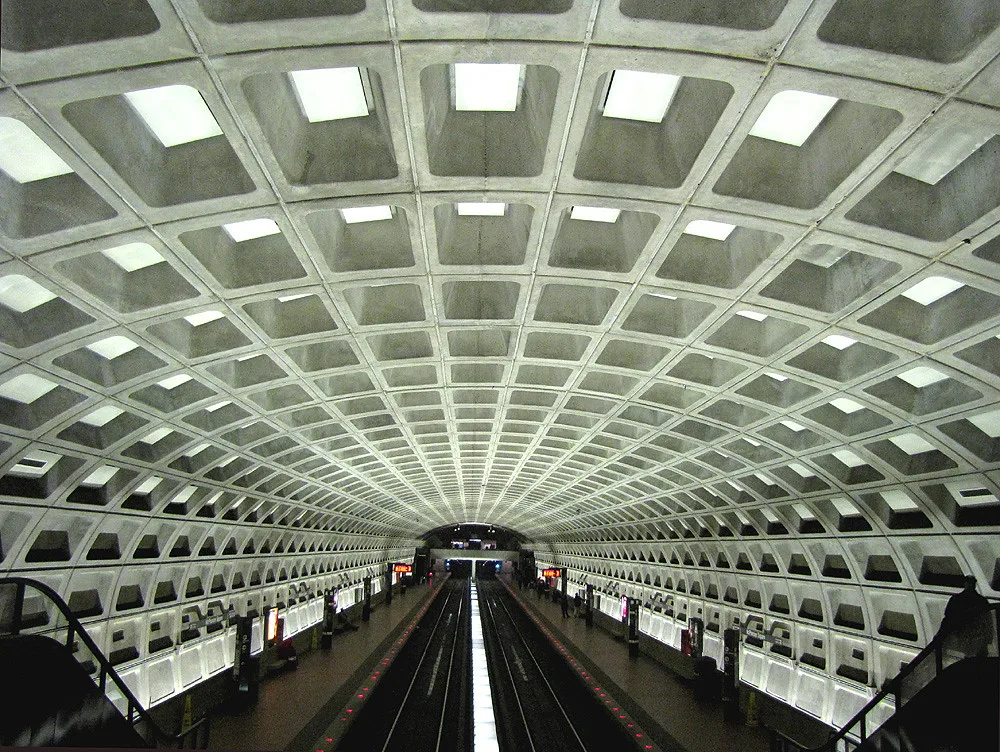
The U.S. Department of Transportation (USDOT) announced on May 20 a critical $200 million investment to bolster the ongoing reconstruction of New York City’s Penn Station. This infusion of federal funding aims to modernize the nation’s busiest transit hub, which serves as a vital artery for Amtrak, New Jersey Transit, and the Long Island Rail Road, connecting millions of passengers to major metropolitan centers along the Northeast Corridor.
A Legacy of Congestion and Decay
Penn Station has long been criticized for its cramped underground conditions and aging infrastructure. Serving approximately 10 million Amtrak passengers annually and over 100 million commuters when regional transit systems are included, the facility frequently struggles to meet the demands of modern travel volumes.
The current project seeks to rectify decades of underinvestment. Previous plans proposed by Amtrak and federal officials have prioritized structural improvements, including the expansion of track capacity and the replacement of narrow, subterranean walkways with open, modern concourses designed to facilitate better passenger flow.
Transforming the Transit Experience
The latest allocation of funds is earmarked for significant architectural and capacity enhancements. Central to the vision is the construction of a grand, daylight-filled entrance on Eighth Avenue, which would provide a new gateway to the train hall.
By replacing antiquated corridors with more efficient layouts, the project aims to reduce the daily bottlenecks that define the commuter experience. These upgrades are not merely aesthetic; they are engineered to resolve long-standing safety concerns regarding overcrowding and egress during peak travel hours.
Expert Perspectives and Economic Impact
Urban planning experts have long argued that the station’s functionality is a bellwether for the regional economy. According to data from the Regional Plan Association, the Northeast Corridor is responsible for roughly 20% of the nation’s gross domestic product, making the station’s operational efficiency a matter of national economic interest.
The USDOT’s commitment signals a shift toward prioritizing high-density transit hubs in federal infrastructure spending. By streamlining operations for Amtrak and regional carriers, the project is expected to decrease delays that ripple through the entire East Coast rail network.
Implications for the Future of Transit
For daily commuters, the immediate future will likely involve navigating construction-related detours as the station undergoes its metamorphosis. The long-term implication, however, is a significantly higher-capacity hub that can accommodate projected population growth in the New York metropolitan area.
Industry analysts are now monitoring the project’s timeline to see if the additional funding will accelerate the completion date. Observers should watch for upcoming milestones regarding the Eighth Avenue entrance and the implementation of automated signaling systems, both of which will determine how effectively the station can handle increased passenger loads in the coming decade.