
Market Rebound Amid Regional Volatility
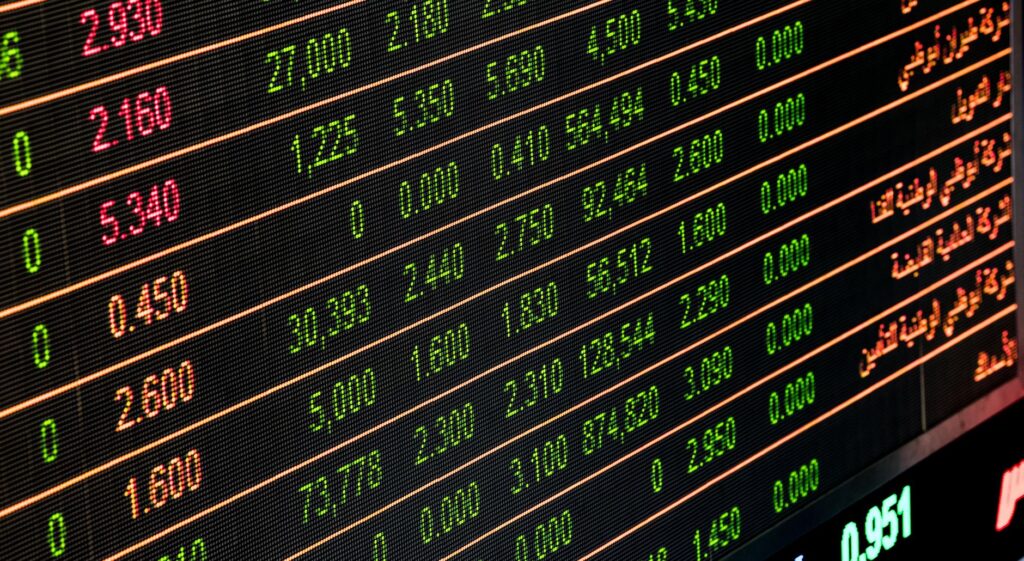
Asian stock markets staged a powerful recovery during Tuesday’s trading session, with South Korea’s Kospi index jumping 3% at the opening bell. This surge follows a period of intense volatility that pushed the index into bear market territory, as investors recalibrated their portfolios despite escalating military tensions between the United States and Iran.
Understanding the Market Context
The sudden rally comes after a week of widespread selling across global indices fueled by fears of a broader conflict in the Middle East. Markets had previously reacted negatively to the uncertainty, causing a flight to safety that dragged high-growth sectors, particularly technology, to multi-month lows.
The Semiconductor Catalyst
The recovery is primarily driven by a resurgence in semiconductor stocks, which are heavily weighted in the South Korean market. As global supply chains stabilize and demand for artificial intelligence-related hardware remains robust, investors have moved to buy the dip in blue-chip tech firms.
Data from market analysts indicates that institutional buying played a significant role in the morning’s price action. The small-cap Kosdaq also mirrored the positive sentiment, advancing 1.28% as traders sought exposure to domestic growth stocks.
Expert Perspectives on Volatility
Financial analysts note that while the geopolitical situation remains fluid, the market’s resilience suggests that investors are separating immediate military headlines from long-term economic fundamentals. According to recent reports from regional brokerage firms, the valuation of major semiconductor players had become “oversold” during the previous session’s sell-off.
Despite the optimism, economists warn that the correlation between Middle Eastern stability and energy prices remains a critical risk factor. Any significant disruption to oil supply routes could quickly reverse current gains by increasing inflationary pressures on manufacturing costs.
Industry Implications and Future Outlook
For investors, the current environment necessitates a cautious approach to volatility. The rapid swing from a bear market trend to a sharp rally underscores the high-frequency nature of modern trading environments, where sentiment can shift in a matter of hours.
Looking ahead, market participants will closely monitor potential diplomatic developments between the U.S. and Iran, as well as upcoming quarterly earnings reports from key semiconductor manufacturers. If current momentum holds, it may signal a stabilization period for Asian equities, though sustained growth will likely depend on the absence of further military escalation.