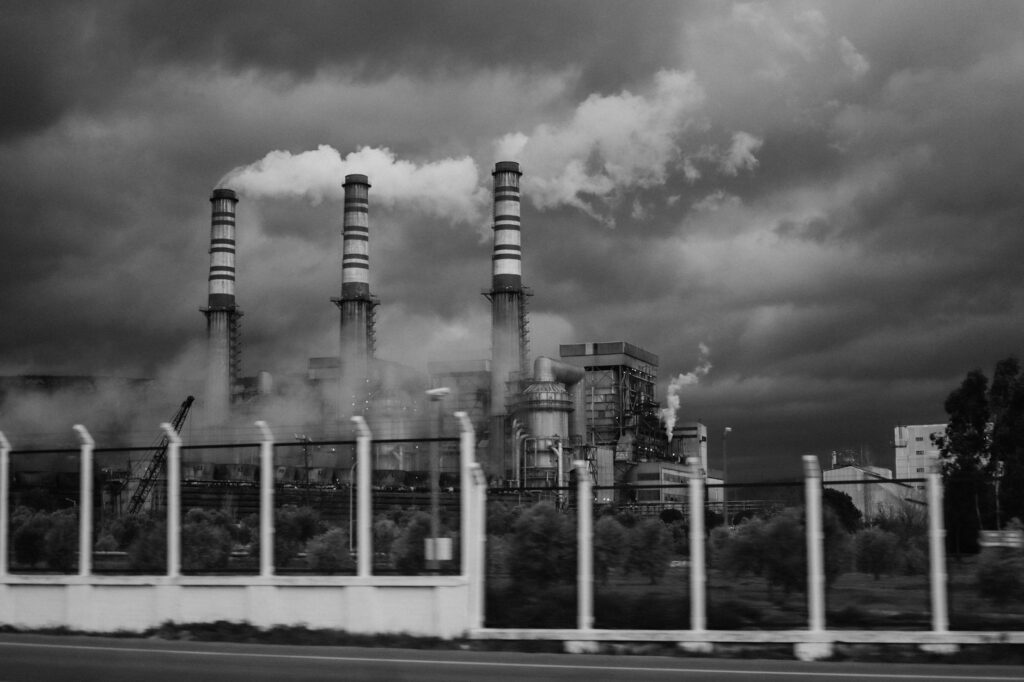

Dutch public prosecutors have formally summoned Tata Steel Netherlands to appear in court, alleging the company committed multiple criminal offenses related to the unlawful release of hazardous substances into the atmosphere. The investigation, centered on the company’s massive steelworks in IJmuiden, targets long-standing accusations regarding toxic particulate matter and the failure of the firm to uphold its duty of care through adequate maintenance protocols.
A History of Tensions
The IJmuiden plant, situated along the North Sea coast, has long been a focal point of environmental scrutiny. Local residents and health organizations have campaigned for years, citing high concentrations of heavy metals and fine dust in the surrounding neighborhoods.
Previous investigations by the Dutch Public Prosecution Service (OM) have been ongoing since 2021, spurred by numerous criminal complaints filed by citizens. The transition from an investigation to a formal summons marks a significant escalation in the legal pressure facing the subsidiary of the Indian multinational conglomerate.
Allegations of Negligence
Prosecutors allege that Tata Steel knowingly discharged harmful substances, including graphite and iron oxide, into the air for years. The legal team representing the state argues that the company prioritized production output over the implementation of necessary safety and environmental upgrades.
A critical component of the case involves the accusation of insufficient maintenance on essential filtration systems. By failing to replace or repair aging equipment, the company allegedly allowed emissions to exceed legally permitted limits, posing a tangible risk to the health of nearby communities.
Expert Perspectives and Health Data
Public health experts have frequently pointed to the IJmuiden facility as a primary source of localized pollution. Data from the National Institute for Public Health and the Environment (RIVM) has previously identified elevated levels of polycyclic aromatic hydrocarbons (PAHs) in the region, which are known carcinogens.
Environmental law specialists suggest that this case could set a precedent for corporate accountability in the Netherlands. If convicted, Tata Steel could face substantial fines and mandatory operational restrictions, signaling a shift toward more aggressive enforcement of industrial environmental standards.
Industry Implications
The legal action against Tata Steel sends a clear message to the heavy industry sector across Europe: environmental compliance is no longer a secondary operational concern. Companies operating in high-pollution sectors are increasingly under the microscope as European Union regulations tighten under the European Green Deal.
For Tata Steel, the challenge is twofold: navigating a complex legal battle while simultaneously attempting to transition toward green hydrogen-based steel production. The company has publicly acknowledged the need for change, pledging to reduce its carbon and particulate footprint significantly by 2030.
Future Outlook
Observers are now watching for the date of the first court hearing, which will provide further clarity on the specific evidence compiled by the prosecution. The outcome of this trial will likely influence future government oversight of industrial permits and could force other major polluters in the region to accelerate their environmental mitigation strategies to avoid similar legal repercussions.