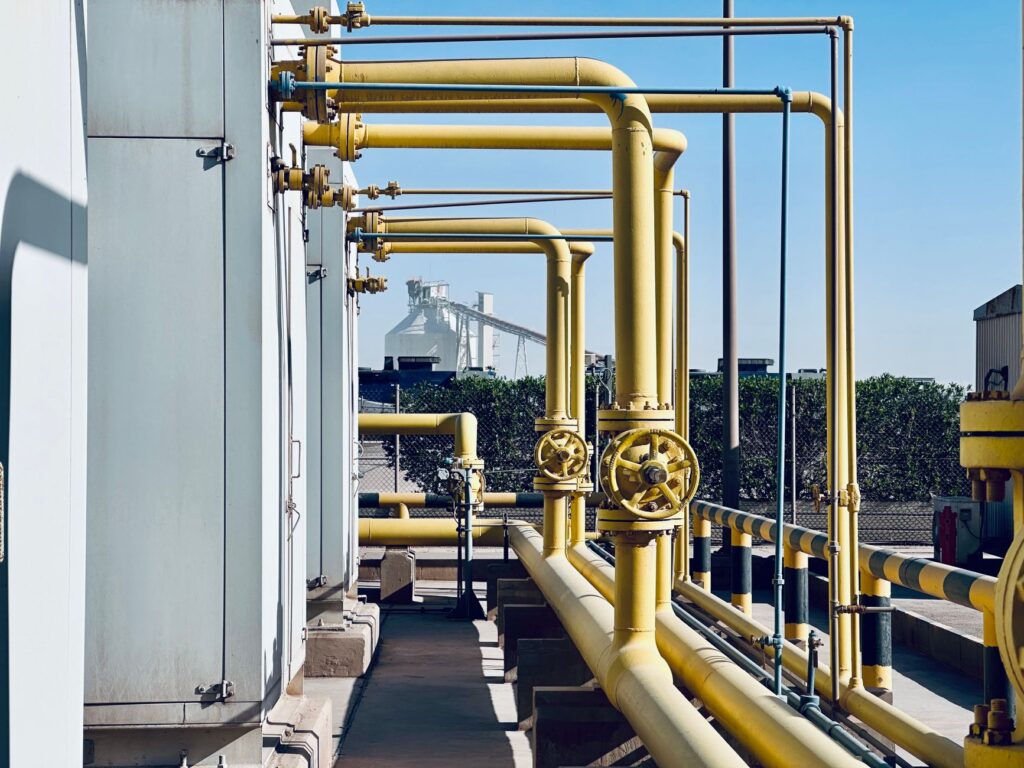

The Canadian government has officially moved to advance a major pipeline expansion project connecting Alberta’s oil sands to the Pacific Coast, a strategic move aimed at significantly increasing non-U.S. energy exports. This initiative, championed by key economic advisors including Mark Carney, seeks to bypass the traditional reliance on American markets, which currently absorb the vast majority of Canadian crude production.
The Strategic Shift in Energy Infrastructure
For decades, Canada’s energy sector has operated under a heavy dependency on U.S. refineries, often forcing Canadian producers to accept a price discount due to limited export routes. By expanding pipeline capacity to the Pacific, the government intends to provide Canadian oil producers with direct access to burgeoning Asian markets.
Mark Carney, who has been vocal about the necessity of this shift, recently outlined a national goal to double non-U.S. oil exports over the coming decade. This policy represents a fundamental change in how Canada views its energy sovereignty and economic security in an increasingly volatile global market.
Addressing the Price Discount
The primary economic driver behind this expansion is the reduction of the “Western Canadian Select” price discount. Because Canadian oil is often landlocked, it frequently trades at a lower price than global benchmarks like Brent Crude.
Energy analysts note that infrastructure constraints have historically limited the bargaining power of Canadian oil companies. By opening a direct conduit to the Pacific, producers can bypass the bottlenecks at U.S. Midwestern refineries, allowing them to capture higher prices reflective of global demand.
Expert Perspectives on Market Integration
Industry experts emphasize that this move is not merely about volume, but about market optionality. By diversifying the customer base, Canadian energy firms can mitigate the risks associated with protectionist trade policies or fluctuations in U.S. domestic energy production.
Data from the Canada Energy Regulator suggests that while U.S. demand remains high, the long-term growth potential lies in the Asia-Pacific region. Integrating Canadian supply chains with these markets is seen as a vital step in stabilizing the long-term fiscal contributions of the oil and gas sector to the national economy.
Environmental and Regulatory Challenges
The path to completing this pipeline is not without significant hurdles. The project must navigate a complex landscape of environmental regulations, indigenous consultations, and climate change commitments made by the federal government.
Critics of the expansion point to the conflict between increasing fossil fuel infrastructure and Canada’s net-zero emissions targets. The government maintains, however, that these projects are essential for a controlled economic transition, providing the necessary capital to fund future renewable energy investments.
Future Implications for the Energy Sector
As construction progresses, the industry will be watching closely to see how the expansion influences global pricing benchmarks for Canadian crude. Analysts expect that if the pipeline successfully reaches capacity, it could fundamentally alter the trade balance between Canada and the United States.
Moving forward, the primary focus will be on the speed of regulatory approvals and the ability of the project to maintain social license. Investors will also monitor whether this infrastructure expansion acts as a catalyst for further investment in the Alberta oil sands or if it marks the final phase of large-scale pipeline development in the region.