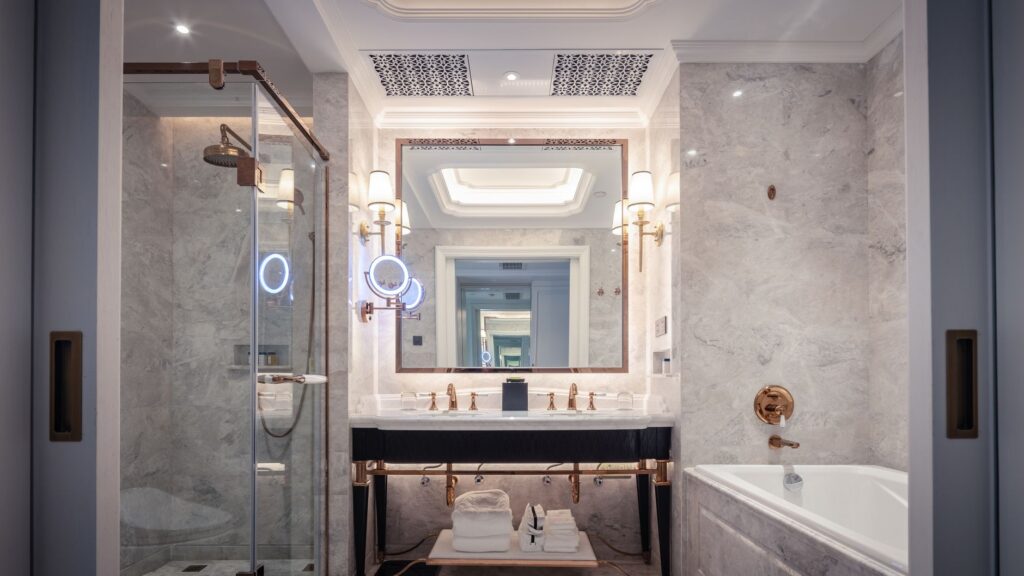

Leading Indian hotel chains are launching aggressive capital expenditure programs this year, prioritizing the comprehensive refurbishment of marquee legacy properties to bolster pricing power and expand profit margins. By modernizing flagship assets in key metropolitan hubs and tourist destinations, major hospitality players aim to capture the growing demand for premium, experience-driven travel while insulating their bottom lines against rising operational costs.
The Strategic Shift Toward Asset Revitalization
For decades, the Indian hospitality sector focused primarily on rapid inventory expansion and new property acquisitions. However, current market conditions have shifted the focus toward sweat equity, as chains realize that older, iconic properties often hold superior locations that are difficult to replicate in today’s real estate market.
Renovating these existing assets allows companies to command higher Average Daily Rates (ADR) without the extended gestation periods associated with building new hotels from the ground up. By updating interiors, integrating smart technology, and refreshing food and beverage concepts, operators can reposition aging properties to compete with newer luxury entrants.
Market Context and Financial Drivers
The hospitality industry in India has witnessed a robust recovery post-pandemic, characterized by a significant surge in both domestic business travel and leisure tourism. According to recent data from HVS Anarock, the industry has seen a consistent upward trend in RevPAR (Revenue Per Available Room) across major cities, signaling a readiness among consumers to pay premiums for high-quality, modern accommodations.
Inflationary pressures on labor and energy have forced chains to seek efficiency. Upgrading infrastructure—such as installing energy-efficient climate control systems and digitized guest services—directly contributes to reducing long-term operational expenses while simultaneously enhancing the guest experience.
Expert Perspectives on Asset Performance
Industry analysts suggest that the decision to reinvest in mature assets is a calculated move to defend market share against international brands entering the Indian market. “Owners are recognizing that the ‘first-mover advantage’ of their original locations is a massive asset, provided the product remains relevant,” says a senior consultant at a leading hospitality real estate firm.
Data indicates that hotels undergoing significant renovation typically see a 15% to 25% increase in ADR within the first year of relaunch. This financial uplift is critical for chains looking to improve their EBITDA margins and satisfy institutional investors who are increasingly focused on asset-level profitability rather than just brand footprint growth.
Implications for the Industry
The trend toward refurbishment signals a maturation of the Indian hospitality landscape, where quality is now prioritized over sheer volume. For the consumer, this means a more consistent luxury experience across legacy hotels that had previously begun to show their age.
Looking ahead, industry watchers should monitor how these chains balance the temporary closure of rooms during renovations with the need to maintain occupancy levels. The success of these makeovers will likely set the benchmark for future capital allocation strategies, potentially sparking a wider wave of investment across mid-tier properties looking to upgrade their brand positioning in the coming fiscal cycles.