




Record-Breaking Demand Sweeps Across India
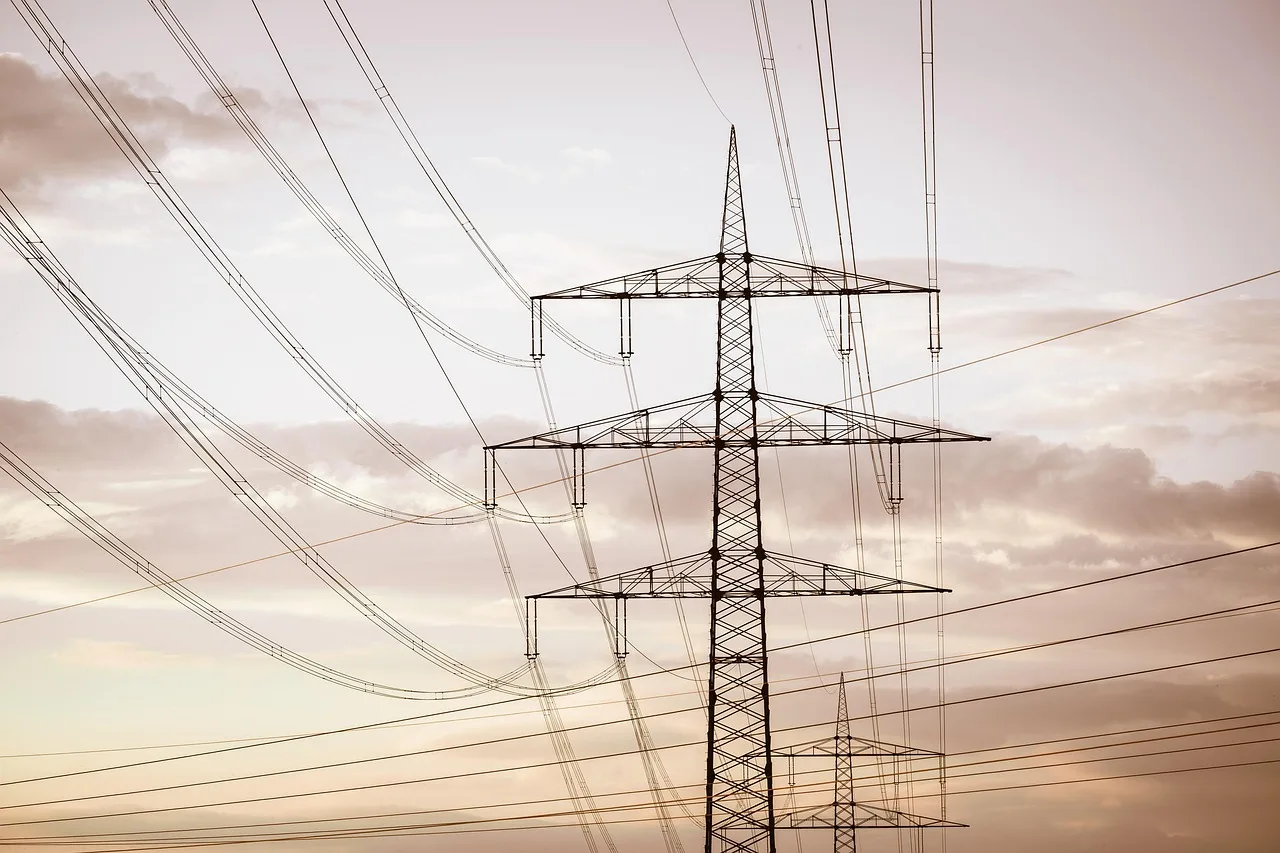
India’s national power grid reached an all-time peak demand of 270.82 gigawatts (GW) this week, marking the fourth consecutive day of record-breaking consumption. As extreme heatwaves grip the subcontinent, citizens and businesses have significantly increased their reliance on cooling appliances, placing an unprecedented load on the country’s energy infrastructure.
The Context of Rising Consumption
This surge in energy demand follows a consistent trend of rapid industrial growth and urbanization across India. Historically, India’s power consumption patterns have been tied closely to seasonal weather cycles, but the increasing intensity and duration of summer heatwaves have compressed the window for peak utility usage.
According to the Ministry of Power, the grid has been undergoing significant upgrades to accommodate this shift. However, the sheer scale of the current spike highlights the ongoing challenge of balancing a growing population’s needs with the capacity of existing transmission and distribution networks.
Operational Challenges and Grid Stability
The sudden jump in consumption is primarily driven by the widespread use of air conditioning units in both residential and commercial sectors. As temperatures consistently remain above 40 degrees Celsius in many regions, the demand for electricity to power cooling systems has outpaced previous seasonal projections.
Industry analysts point out that while the government has ramped up coal supply and increased renewable energy integration, the rapid velocity of the demand hike creates operational hurdles. Load shedding has been reported in several municipalities as grid operators struggle to maintain frequency stability during these peak hours.
Expert Insights and Data Trends
Energy sector experts suggest that the current 270 GW threshold is likely not the ceiling for the year. Data from the Central Electricity Authority (CEA) indicates that peak demand often peaks in late spring, but the anomalous weather patterns this year have shifted that timeline forward.
“The infrastructure is currently operating at maximum capacity, leaving little room for error,” notes an energy analyst familiar with grid management. “The integration of grid-scale battery storage and a more aggressive transition to distributed renewable energy are no longer just future goals; they are immediate necessities for grid reliability.”
Implications for the Future
This ongoing crisis serves as a bellwether for the energy sector, signaling that existing capacity expansion plans may need to be accelerated. Businesses should prepare for potential volatility in energy costs and consider investing in energy-efficient infrastructure to mitigate the impact of future demand spikes.
Observers are now watching the monsoon season closely, as a shift in weather patterns could provide temporary relief to the power grid. Looking ahead, policymakers are likely to prioritize investments in smart-grid technologies and demand-side management programs to prevent system-wide failures during future heat-intensive months.