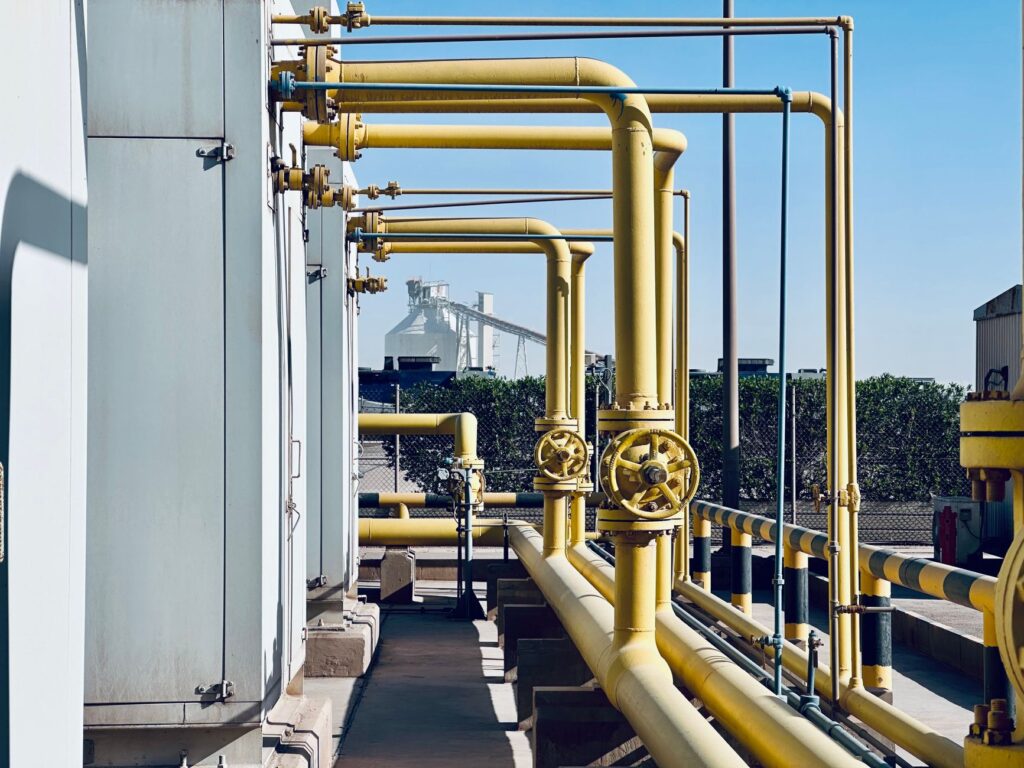

The Indian government is set to launch a comprehensive new policy initiative aimed at significantly reducing the nation’s reliance on imported natural gas, according to officials familiar with the matter. As the world’s third-largest energy consumer, India currently imports nearly 50% of its natural gas requirements, a vulnerability that exposes the domestic economy to volatile global price fluctuations and supply chain disruptions.
Context of the Energy Challenge
India’s rapid industrialization and urban expansion have driven a sharp increase in demand for cleaner-burning fuels. While the government has prioritized the transition toward a gas-based economy to meet climate goals, domestic production has struggled to keep pace with this consumption surge.
Historically, the country has relied heavily on Liquefied Natural Gas (LNG) shipments from the Middle East and the United States. This structural reliance creates a substantial trade deficit and leaves domestic industries, particularly fertilizer and power generation, susceptible to international geopolitical tensions.
Strategic Shifts in Domestic Production
The proposed scheme aims to incentivize exploration and production (E&P) by offering more flexible fiscal terms to energy companies. By simplifying regulatory hurdles and streamlining the bidding process for new exploration blocks, the Ministry of Petroleum and Natural Gas intends to attract both domestic and international investment.
Industry analysts point out that the focus will likely shift toward deep-water exploration and unconventional reserves. Data from the Petroleum Planning and Analysis Cell (PPAC) indicates that while domestic output has seen marginal gains, the gap between supply and demand remains a persistent hurdle for energy security.
Expert Perspectives and Economic Impact
Energy economists emphasize that the success of this initiative hinges on infrastructure development. Building out the national gas grid is essential to ensure that domestically produced gas reaches the industrial hubs in the southern and eastern regions of the country efficiently.