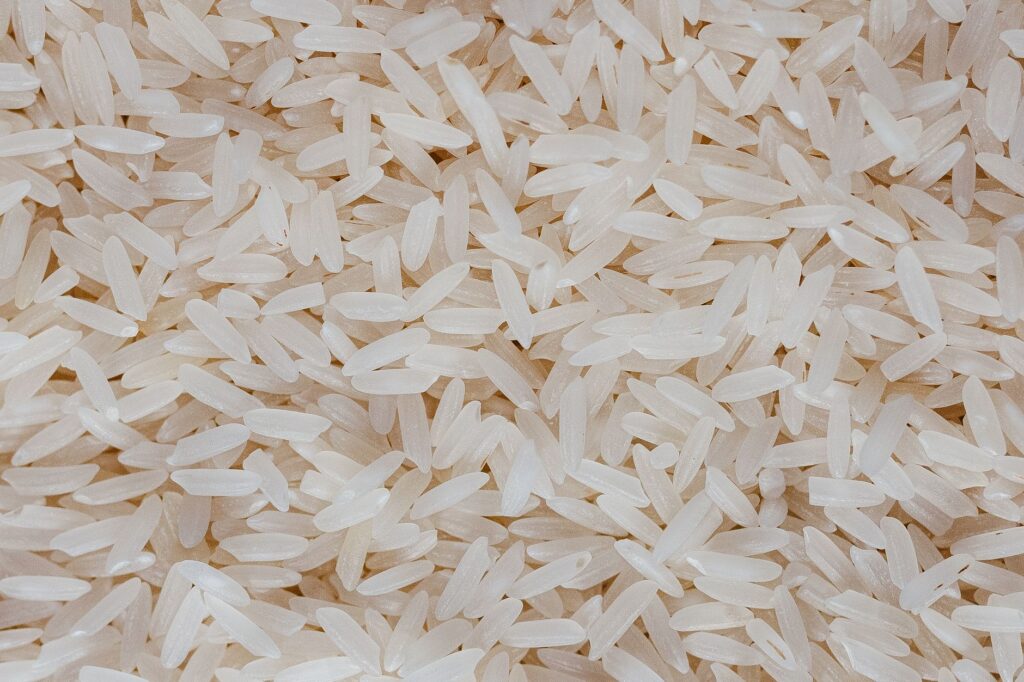

The Indian government has officially mandated stricter quality standards for rice distributed through the Public Distribution System (PDS), aiming to significantly reduce the percentage of broken grains in ration supplies nationwide. This policy shift, announced this week, seeks to ensure that millions of beneficiaries receive higher-quality food grains while simultaneously optimizing procurement logistics and reducing annual expenditures by an estimated ₹2,161 crore.
Context and Policy Evolution
For decades, the distribution of rice through ration shops has faced criticism regarding the nutritional value and physical integrity of the grains provided to low-income households. Previously, loose regulations allowed for a higher threshold of broken rice, which often led to complaints about cooking quality and waste.
The current adjustment reflects a broader governmental push toward administrative efficiency and improved public service delivery. By tightening these specifications, the Ministry of Consumer Affairs aims to align ration supplies with the quality standards found in open-market retail, ensuring parity for PDS cardholders.
Operational Efficiency and Economic Impact
The decision to curb broken rice content is not merely a quality initiative but a strategic move toward cost management. By minimizing the amount of broken grain, the government expects to reduce the volume of waste during transportation and storage, which has historically accounted for significant losses in the supply chain.
Economists note that the projected savings of ₹2,161 crore will be realized through reduced processing losses and more streamlined procurement operations. This figure represents a major fiscal consolidation effort within the food subsidy budget, which remains one of the largest expenditure items for the central government.
Expert Perspectives
Agricultural analysts suggest that this policy will necessitate upgrades in milling technology across the country. “The mandate forces rice millers to adopt advanced sorting and grading machinery to meet the new, lower broken-grain limits,” says Dr. Rajesh Verma, an expert in food supply chains. “While this requires an initial investment from the milling sector, the long-term result is a more standardized and reliable food security infrastructure.”
Data from the Food Corporation of India (FCI) confirms that higher-quality grain is less susceptible to moisture damage and pest infestation during prolonged storage. By setting these higher standards, the government is effectively extending the shelf life of the buffer stocks held in its warehouses.
Industry and Consumer Implications
For the millions of citizens who rely on ration shops for their daily sustenance, this change signifies a tangible improvement in the quality of their staple diet. The reduction in broken grains ensures that the texture and cooking consistency of the rice are significantly improved, addressing a long-standing grievance among PDS beneficiaries.
For the milling industry, the transition period will be critical. Millers who fail to comply with the new standards may face penalties or rejection of their supplies during the procurement process. This creates a strong incentive for rapid technological adoption and improved quality control measures at the point of origin.
Future Outlook
Industry observers are now watching for the implementation timeline and the potential impact on procurement prices. Future developments to monitor include whether the government will provide subsidies or soft loans to small-scale millers to help them upgrade their equipment to meet these new standards. Additionally, the success of this initiative could lead to similar quality-control mandates for other essential commodities within the PDS, potentially transforming the entire public food distribution landscape in the coming fiscal years.