





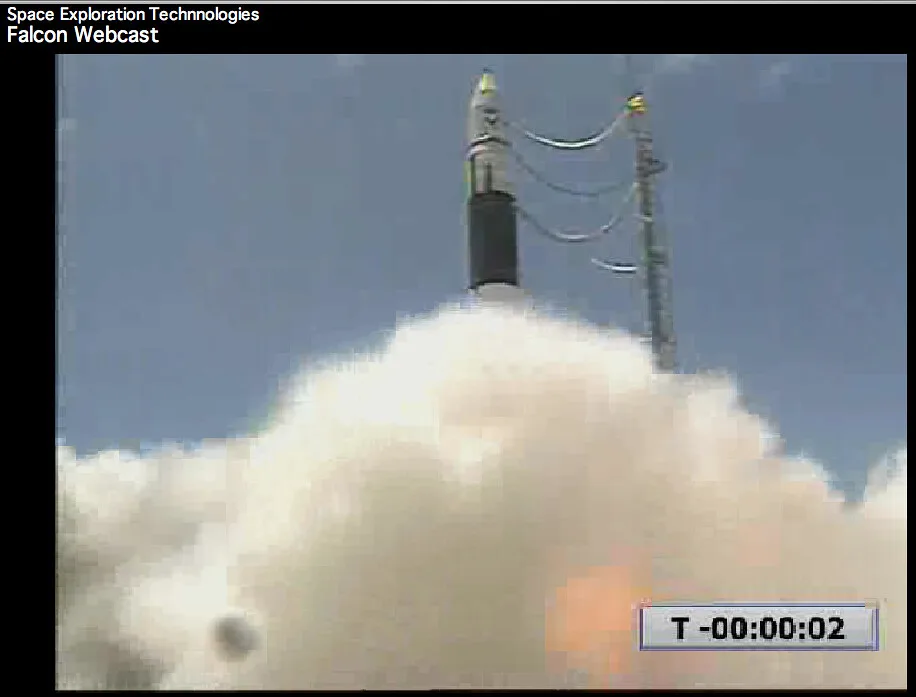
SpaceX, the aerospace leader founded by Elon Musk, has officially disclosed its financial performance for the first time, signaling a major strategic shift as the company prepares for a potential initial public offering (IPO). The disclosure, which provides an unprecedented look into the private firm’s revenue and operational health, positions the organization to potentially execute one of the largest market debuts in history.
A History of Secrecy and Growth
Since its founding in 2002, SpaceX has operated with a high degree of financial privacy, relying on private funding rounds to fuel its ambitious mission to colonize Mars and dominate the commercial launch sector. Until this point, the company’s valuation—which has climbed to approximately $180 billion—was based on private equity assessments rather than public audit trails.
The shift toward transparency comes as SpaceX cements its dominance in the satellite internet market through its Starlink division. By providing satellite-based connectivity to remote regions globally, Starlink has transformed from an experimental project into a critical revenue engine for the parent company.
Analyzing the Revenue Streams
Industry analysts point to the rapid scaling of the Falcon 9 launch cadence as a primary driver behind the company’s financial maturity. SpaceX currently controls a significant majority of the commercial launch market, drastically reducing the cost-per-kilogram for orbital delivery compared to traditional aerospace incumbents.
Data from market research firms suggest that SpaceX has successfully transitioned from a capital-intensive research entity to a cash-flow-positive operation. This transition is essential for any firm seeking to attract institutional investors in the public markets, where long-term profitability is scrutinized more heavily than in the venture capital sphere.
Expert Perspectives on Market Impact
Financial experts note that an IPO for SpaceX would likely trigger a massive influx of capital into the space economy. “The public listing of a company of this scale would effectively validate the commercial space industry as a stable asset class,” said market analyst Sarah Jenkins of Aerospace Capital.
However, some analysts warn that the volatility of Elon Musk’s personal brand and his other corporate interests could introduce unique risks for potential shareholders. The intersection of government defense contracts and private commercial ambitions remains a complex landscape that investors will need to navigate carefully.
Implications for the Industry
For the broader aerospace industry, a public SpaceX forces competitors to accelerate their own timelines or risk obsolescence. Traditional contractors are already facing pressure to modernize their supply chains and improve launch efficiency to keep pace with the benchmarks set by the company’s reusable rocket technology.
Looking ahead, market observers are focusing on the firm’s upcoming Starship flight tests, which are viewed as the final hurdle to unlocking massive, heavy-lift commercial contracts. As the company moves toward a public debut, the focus will remain on whether it can maintain its rapid pace of innovation while satisfying the rigorous reporting requirements of the Securities and Exchange Commission.