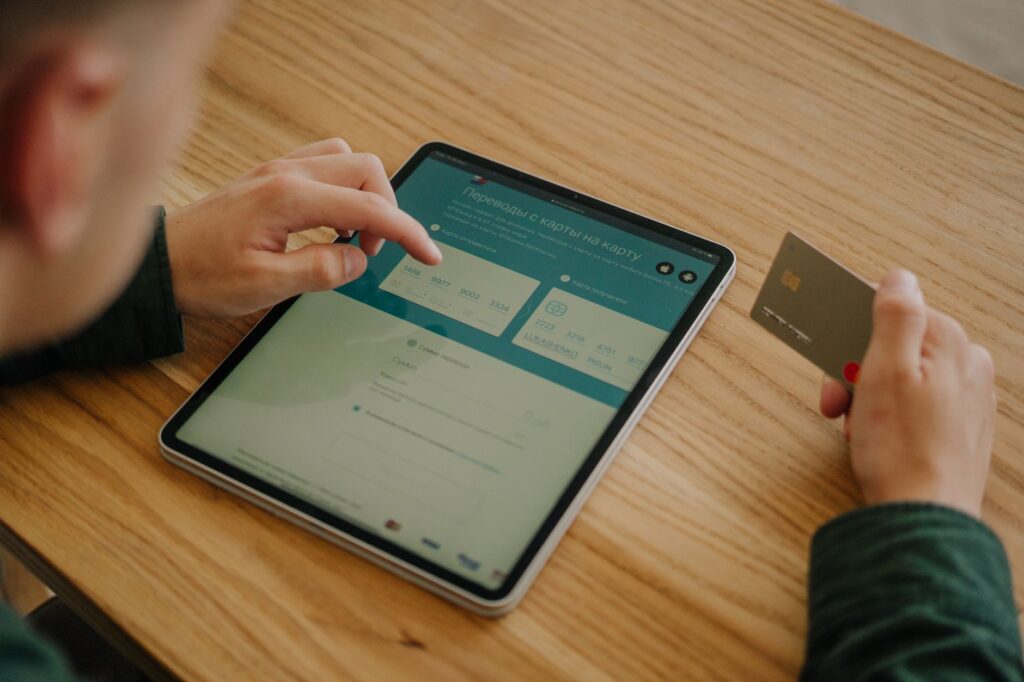

In an increasingly digitized economy, government-backed mobile applications have emerged as critical tools for citizens seeking to secure their personal documentation, streamline financial transactions, and access essential public services. As of 2024, national authorities across several jurisdictions have launched centralized platforms designed to integrate tax filing, identity verification, and benefit management into single, user-friendly interfaces. These initiatives aim to reduce administrative friction and enhance data security for millions of users.
The Evolution of Digital Governance
The transition toward mobile-first government services follows a global trend of digital transformation. For decades, citizens relied on fragmented physical paperwork and disparate agency websites to manage their financial obligations and legal identities.
Governments are now prioritizing “interoperability,” ensuring that different departments communicate through secure APIs. This shift reduces the risk of identity theft and provides real-time updates on financial standing, such as tax refunds or social security contributions.
Key Functionalities of Modern Government Portals
Modern government apps offer more than just information; they facilitate active financial management. Many platforms now include integrated payment gateways that allow users to pay property taxes, utility bills, or fines directly from a linked bank account.
Furthermore, these apps serve as digital vaults for vital documents. By hosting encrypted copies of birth certificates, social security cards, and tax filings, the platforms allow users to bypass the need for physical copies during financial applications or loan processing.
Security remains the primary focus for developers. Most of these applications utilize multi-factor authentication (MFA) and biometric verification, such as facial recognition or fingerprint scanning, to ensure that only the account holder can access sensitive financial data.
Expert Perspectives on Digital Adoption
Financial technology analysts observe that the move toward official government applications is a necessary step in curbing digital fraud. According to recent cybersecurity reports, citizens are often vulnerable when using third-party apps for financial tasks.
“Centralized government platforms provide a level of data integrity that private sector apps often struggle to match,” notes Dr. Elena Vance, a senior consultant in digital infrastructure. “By keeping core financial records within the state’s secure ecosystem, users significantly decrease their exposure to phishing and data harvesting.”
Data from recent government surveys indicates that adoption rates increase when apps simplify complex processes, such as filing income taxes or applying for unemployment benefits. When the user experience mirrors popular commercial banking apps, public trust and utilization metrics rise accordingly.
Implications for the Future of Personal Finance
For the average consumer, the widespread adoption of these apps means a permanent shift in how they interact with the state. The convenience of handling financial obligations via a smartphone is rapidly becoming the standard expectation rather than a luxury.
Industry observers suggest that the next phase of development will focus on artificial intelligence integration. Future updates may include predictive analytics, where the app suggests tax-saving strategies or alerts users to unclaimed benefits based on their personal financial profiles.
As these platforms continue to evolve, watch for increased integration with private banking institutions. The ability to link government-verified identity documents directly to private financial accounts could streamline loan approvals and credit checks, effectively shortening the time required for major life purchases like housing or vehicles.