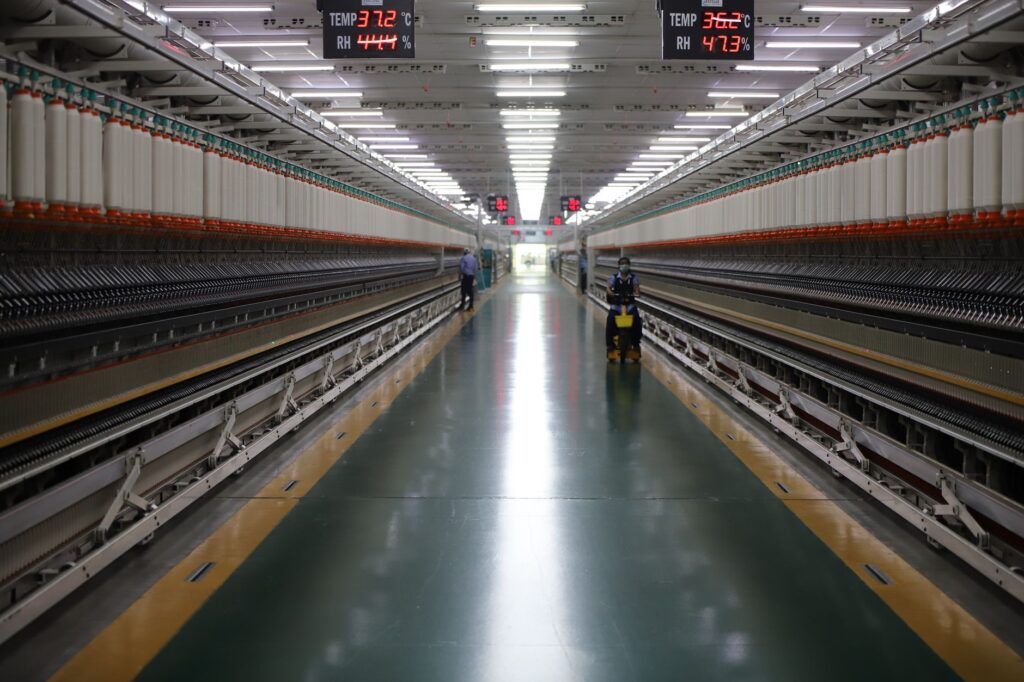

China’s manufacturing sector achieved its strongest quarterly performance since the end of 2020, despite a slight softening in activity during the month of June. According to official data released by the National Bureau of Statistics, the average Purchasing Managers’ Index (PMI) for the April-June quarter reached 51.9, signaling a period of robust industrial expansion for the world’s second-largest economy.
Context of Industrial Recovery
The Purchasing Managers’ Index serves as a vital barometer for economic health, where a reading above 50 indicates expansion and a reading below 50 suggests contraction. The manufacturing sector in China faced significant volatility in previous years due to global supply chain disruptions and shifting pandemic-era policies.
The sustained average of 51.9 throughout the second quarter represents a marked departure from the stagnation observed in earlier cycles. Analysts note that this stability reflects a concerted effort by manufacturers to stabilize output despite fluctuating global demand.
Analyzing the Quarterly Growth
While the quarterly average paints a picture of resilience, the June figures showed a minor dip, falling slightly below market expectations. This cooling effect has prompted discussions among economists regarding the sustainability of current industrial growth patterns.
Several factors contributed to this quarter’s performance, including increased domestic infrastructure investment and a gradual recovery in consumer goods production. However, export-oriented firms continue to navigate a complex international landscape marked by inflationary pressures and geopolitical tensions.
Expert Perspectives and Data Trends
Industry experts emphasize that the 51.9 average is a critical indicator of long-term structural health. While the June contraction was notable, it is viewed by many as a stabilization phase rather than a sustained downturn.
Data from the National Bureau of Statistics indicates that while large-scale enterprises continue to drive the expansion, small and medium-sized businesses face ongoing hurdles. These smaller firms often struggle with higher raw material costs and tightening credit conditions, creating a bifurcated recovery environment.
Implications for Global Markets
For international investors and supply chain managers, these figures underscore the continued importance of China as a central hub for global manufacturing. The ability of the sector to maintain a high quarterly average suggests that industrial capacity remains largely intact despite global economic headwinds.
Looking ahead, industry observers will be watching for potential government stimulus measures designed to bolster the manufacturing sector further. Future data releases will likely focus on whether domestic consumption can offset potential declines in international export orders during the second half of the year.