




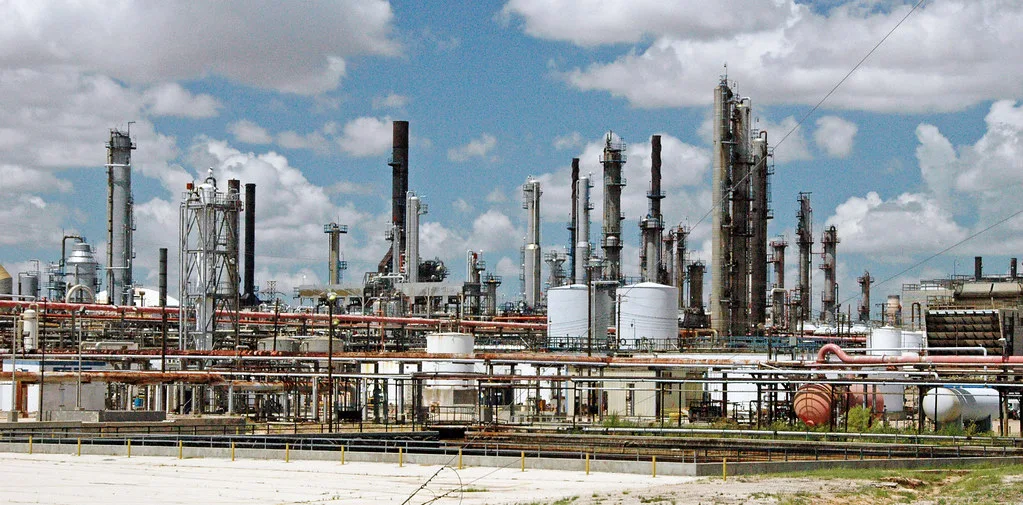
Energy giant Chevron Corporation announced a definitive agreement this week to sell a significant portion of its refining and retail assets in the Asia-Pacific region to Japanese petroleum conglomerate Eneos Holdings for $2.17 billion. The transaction, confirmed by both companies on Tuesday, marks a strategic shift for the U.S.-based oil major as it looks to optimize its global footprint and focus on core upstream production assets. This divestment represents a major consolidation of market share in the regional energy sector, shifting infrastructure ownership from a multinational operator to Japan’s largest refiner.
Strategic Portfolio Realignment
The move follows a multi-year trend of energy majors shedding downstream assets—such as refineries and gas stations—to pivot toward high-margin exploration and production projects. Chevron has been actively refining its international portfolio, seeking to reduce its capital intensity in markets where competitive pressures and regulatory shifts have tightened margins. By offloading these specific Asian assets, Chevron can reallocate capital toward its aggressive development plans in the Permian Basin and its growing interest in lower-carbon energy solutions.
Consolidation in the Asian Energy Market
For Eneos, the acquisition is a calculated expansion aimed at solidifying its dominance in the Asian downstream market. The Japanese company has been seeking to diversify its holdings as domestic demand for traditional fuel in Japan faces a long-term decline due to an aging population and increased energy efficiency. Integrating these regional assets allows Eneos to capture greater economies of scale and optimize supply chains across key maritime trade routes.
Industry Perspectives and Market Data
Market analysts suggest the $2.17 billion valuation reflects a realistic appraisal of the current downstream environment, which has faced volatility due to fluctuating crude oil prices and changing demand patterns. According to industry reports, major oil companies have offloaded billions of dollars in non-core assets over the past decade to improve balance sheet flexibility. This specific transaction is viewed as a win-win, providing Chevron with liquid capital to satisfy shareholder commitments and giving Eneos a robust platform for regional growth.
Implications for the Global Energy Landscape
The sale signals a broader transition in how international oil companies view the value of refining capacity. Investors have increasingly pressured majors to simplify their business models, favoring upstream efficiency over the complexities of retail fuel distribution. As these assets change hands, local retail operations and refinery employment structures in the Asia-Pacific region are likely to undergo significant integration processes, potentially leading to operational cost-cutting measures by the new ownership.
Future Market Outlook
Industry observers are now watching closely to see if Chevron will pursue further divestments in other geographic regions, particularly in Europe or South America, where similar refining assets remain under pressure. Meanwhile, the integration of these assets will test Eneos’s ability to manage a larger, more dispersed international workforce and infrastructure network. The industry will also monitor how this consolidation affects regional fuel prices and supply chain stability as the energy sector continues its broader transition toward decarbonization and alternative energy sources.