




Stardust Solutions, a climate-tech startup based in Silicon Valley, announced this week that it has developed a proprietary suite of microscopic spheres designed to reflect sunlight away from the Earth’s atmosphere. The company claims that by deploying these non-toxic particles into the stratosphere, they can effectively lower global temperatures, offering a potential stopgap measure against the accelerating effects of climate change. The announcement has ignited a fierce debate among climatologists and policymakers regarding the ethics and safety of private entities unilaterally altering the planet’s climate systems.
The Context of Stratospheric Aerosol Injection
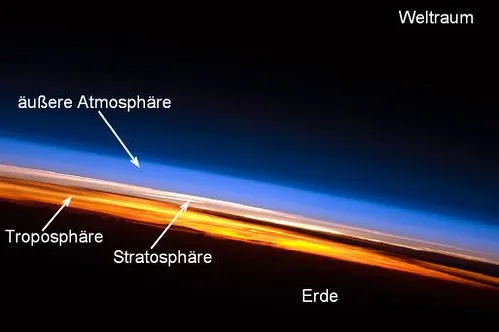
The concept of solar geoengineering, or Stratospheric Aerosol Injection (SAI), is not new. Scientists have long studied how volcanic eruptions, which naturally release sulfur dioxide into the atmosphere, can cause temporary global cooling by blocking solar radiation.
However, traditional methods involving sulfur aerosols raise concerns about ozone layer depletion and acid rain. Stardust Solutions distinguishes its product by using engineered, inert materials that the company asserts are chemically stable and incapable of reacting with the atmosphere. This technological pivot aims to address the primary safety concerns that have historically kept geoengineering in the realm of theoretical research.
Technological Claims and Scientific Skepticism
The core of the Stardust solution rests on the precise geometry of the spheres. According to the company’s white paper, the particles are designed to be reflective enough to bounce a specific spectrum of solar radiation back into space while allowing terrestrial heat to escape. By tuning the size and composition of these particles, the company suggests they can achieve a cooling effect without the side effects associated with sulfur-based aerosols.
Independent researchers, however, remain cautious. Dr. Elena Vance, a lead researcher at the Global Atmospheric Institute, notes that testing in a lab environment is vastly different from the chaotic reality of the stratosphere. “We lack sufficient data on how these particles interact with high-altitude weather patterns over long durations,” Vance stated. “The risk of unintended consequences, such as shifting monsoon patterns or disrupting agricultural yields, remains significant.”
The Governance Dilemma
Beyond the technical hurdles, the prospect of a private corporation taking control of the global thermostat presents a governance crisis. Critics argue that climate modification is a public good that should be managed by international consensus rather than commercial interests.
International law currently offers little guidance on the deployment of geoengineering technologies. Legal experts warn that if one nation or private entity proceeds with cooling efforts, it could lead to geopolitical tensions, particularly if neighboring regions experience negative climate shifts. The concern is that “climate hacking” could become a tool for economic or political leverage on a global scale.
Future Implications for Climate Policy
As global temperatures continue to break records, the pressure to find immediate solutions increases, making the Stardust proposal increasingly attractive to some policymakers. Investors are watching closely to see if the company can secure regulatory approval for high-altitude testing, which would mark a major shift in how the world approaches climate mitigation.
Observers should watch for upcoming sessions of the United Nations Environment Programme, where the discussion around the regulation of solar radiation modification is expected to intensify. Whether this technology becomes a viable tool or remains a controversial experiment depends on the company’s ability to prove both its efficacy and its safety through transparent, peer-reviewed trials.