




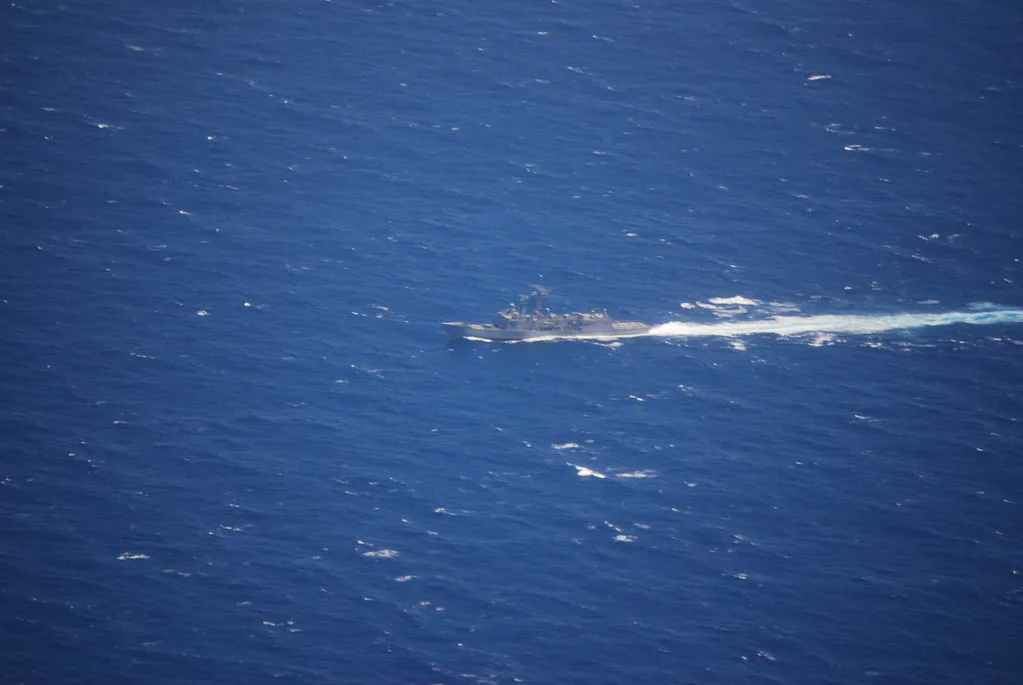
The International Energy Agency (IEA) warned this week that persistent security disruptions in the Strait of Hormuz are threatening global energy stability, potentially triggering a significant spike in crude oil and fuel prices. As a vital maritime chokepoint through which approximately 20% of the world’s total petroleum consumption flows, the ongoing instability is forcing shipping companies to reroute vessels, tightening supply chains just as global demand begins to fluctuate.
The Strategic Importance of the Hormuz Chokepoint
The Strait of Hormuz serves as the primary artery for oil exports from Saudi Arabia, Iraq, the United Arab Emirates, and Kuwait. Any obstruction in this narrow waterway acts as an immediate bottleneck for the global economy, as there are few viable pipeline alternatives for the massive volumes of oil transported daily.
Historically, the region has been a focal point for geopolitical tension, but recent escalations have introduced new volatility into energy markets. Traders are increasingly pricing in a ‘risk premium’ on every barrel, fearing that a total or partial closure of the strait would lead to a rapid depletion of international reserves.
Market Volatility and Supply Constraints
Current data from the IEA suggests that global oil stockpiles are already being drawn down at a faster rate than anticipated. While major economies have maintained strategic petroleum reserves, the prolonged nature of the current disruption is testing the resilience of these emergency buffers.
Energy analysts note that the market is particularly sensitive to the timing of these disruptions. With refinery maintenance cycles approaching in several key regions, the inability to move crude oil efficiently could lead to shortages in refined products like gasoline and diesel, disproportionately affecting consumers at the pump.
Expert Perspectives on Energy Security
Independent analysts at S&P Global Commodity Insights indicate that while short-term supply remains sufficient, the psychological impact of the disruption is driving market speculation. ‘The concern is not necessarily an immediate physical shortage, but the inability of the market to hedge against a sustained period of uncertainty,’ says one industry expert.
Furthermore, shipping insurance premiums for vessels traversing the Persian Gulf have climbed steadily over the last quarter. These increased costs are being passed directly to the end consumer, adding inflationary pressure to an already fragile global economic recovery.
Broader Economic Implications
For the average reader, these developments signal a period of sustained energy price volatility. Businesses that rely heavily on logistics and transportation are expected to see operational costs rise, which may eventually translate into higher retail prices for goods and services.
Investors are now closely monitoring the diplomatic efforts aimed at securing safe passage for tankers in the region. Should these efforts fail to produce a reduction in security incidents, energy markets are likely to enter a more aggressive phase of price discovery, forcing governments to consider releasing additional strategic reserves to stabilize the market.
Moving forward, the focus will remain on the volume of oil successfully clearing the strait on a weekly basis. Observers should monitor upcoming IEA and OPEC+ production reports for indications of whether member nations will adjust their output quotas to compensate for potential transit losses. If the security environment does not improve, the industry expects a shift toward long-term diversification of energy supply routes, though such infrastructure projects often require years to implement.