





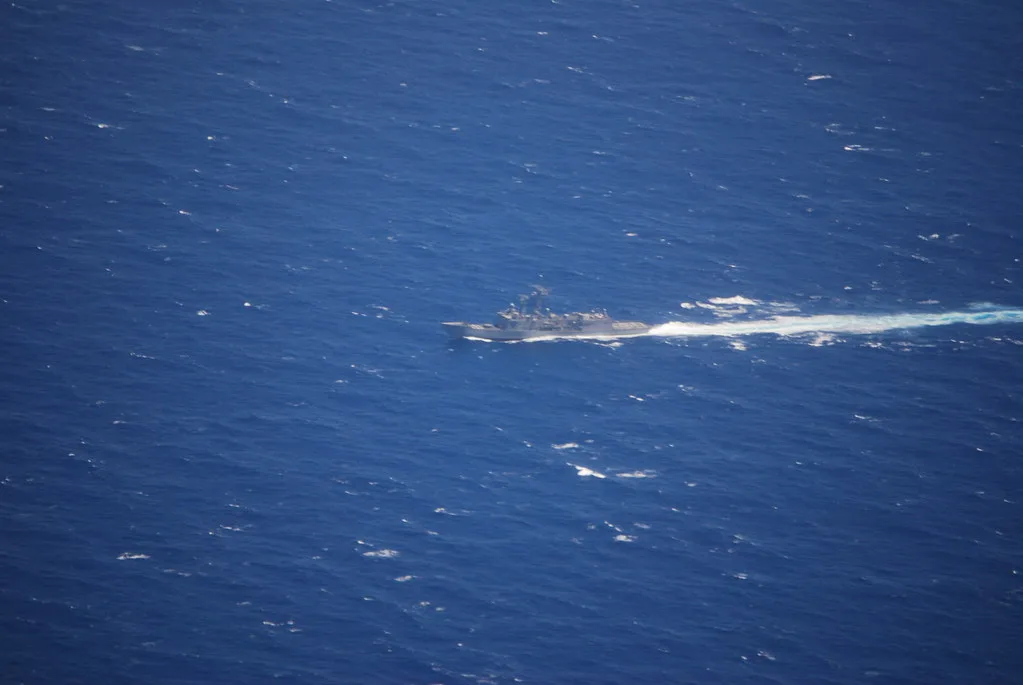
A fully loaded Suezmax tanker carrying Iraqi crude oil has successfully navigated the Strait of Hormuz and is currently transiting toward India, according to satellite and ship-tracking data reported this weekend. This transit occurs as the conflict in West Asia enters its 12th week, a period marked by persistent volatility in one of the world’s most critical maritime chokepoints.
Context of the Maritime Crisis
The Strait of Hormuz serves as the primary artery for global energy markets, facilitating the passage of a significant portion of the world’s daily oil supply. Since the onset of the current regional conflict, vessel traffic through this waterway has experienced erratic fluctuations, often dropping to less than half of pre-war volumes.
Tehran continues to maintain a blockade strategy, explicitly linking the freedom of navigation through the strait to its broader geopolitical demands. As a condition for re-engaging in diplomatic negotiations, Iran has insisted that international powers formally recognize its sovereignty over the passage.
Current Vessel Activity and Market Impact
Ship-tracking data from Kpler confirms that the tanker ‘Karolos’ loaded its crude cargo at Basra, Iraq, between May 10 and May 11. Satellite imagery from the European Union’s Sentinel-2 program corroborated the vessel’s presence at the loading buoys, providing a clear visual record of the movement.
The broader maritime picture remains tense as other vessels navigate the region’s complex political landscape. The tanker ‘Agios Fanourios I,’ previously detained by U.S. authorities while traveling from Iraq to Vietnam, remains anchored in the Gulf of Oman. Additionally, ship-tracking logs suggest that the very large crude carrier ‘Kiara M’ completed a ship-to-ship cargo transfer near Oman after departing the Persian Gulf.
Expert Analysis of Supply Chain Disruptions
Maritime analysts observe that while some tankers continue to move, the overall volume of traffic remains significantly suppressed. Data compiled by Bloomberg indicates that daily vessel movements dropped to just five on Friday, reflecting the heightened risk and uncertainty facing shipping companies.
While U.S. officials have expressed optimism regarding potential diplomatic shifts, there is little empirical evidence on the ground to suggest an immediate resolution. The persistence of the blockade continues to force energy companies to recalibrate their supply routes, often resulting in increased operational costs and longer lead times for deliveries to South Asian markets.
Future Implications for Energy Security
The successful passage of the ‘Karolos’ serves as a reminder of the fragility inherent in current global energy logistics. As the conflict persists, observers will be closely monitoring whether the current low level of traffic becomes the new normal or if further escalations will cause a complete cessation of commercial transit.
Market participants are watching for any signs of diplomatic movement regarding Iran’s sovereignty demands, which remain the primary obstacle to restoring normal shipping lanes. Any sudden policy shift in Tehran or an escalation in naval confrontations could have immediate, ripple-effect consequences for global oil prices and regional energy security.