




India’s trade deficit is expected to remain under significant pressure throughout 2026, driven primarily by a sharp surge in electronics imports, according to a recent report by Nuvama Institutional Equities. The country’s goods trade deficit widened to USD 28 billion in April 2026, a substantial increase from the USD 21 billion recorded in March, as high crude oil prices and supply-side disruptions continue to weigh on the national balance of trade.
Understanding the Drivers of the Deficit
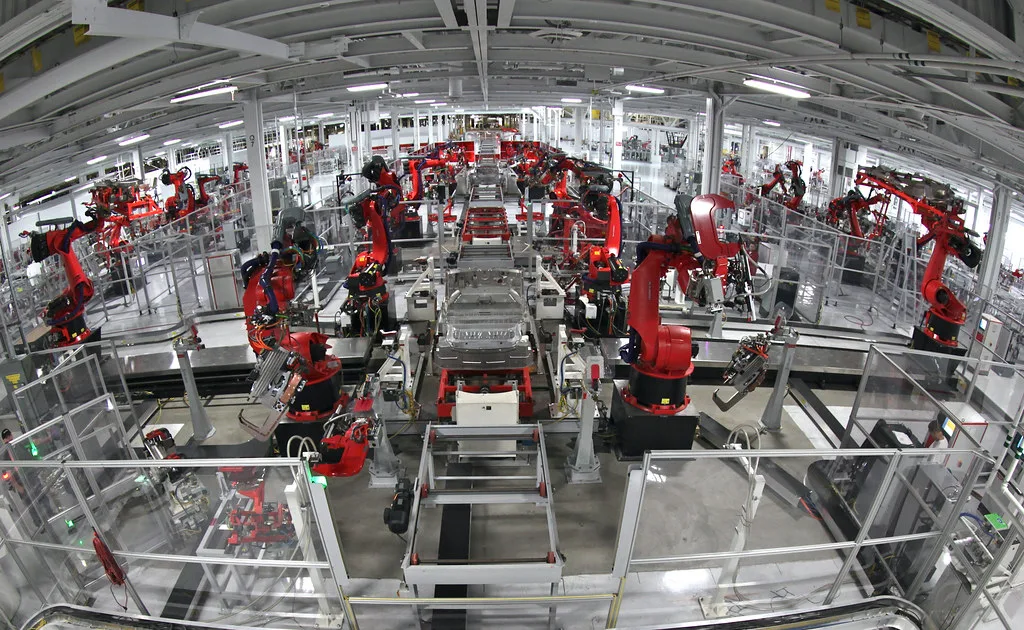
The core trade deficit, which excludes volatile oil and gold figures, worsened from USD 9 billion to USD 13 billion. Data indicates that shortages in essential sectors, specifically chemicals, ores, and agriculture, contributed to this widening gap. However, the electronics sector has emerged as the most critical factor, with the electronics trade deficit climbing by USD 0.7 billion to reach an all-time high of USD 7.6 billion.
Export Recovery and Underlying Weakness
While goods exports grew by 14 percent year-on-year in April—marking a recovery from a weak performance in March—analysts suggest this growth stems largely from a low base effect. On a trend basis, export growth improved slightly to 1.6 percent, up from a contraction of 2.8 percent. Despite this, the underlying stimulus remains muted, as labor-intensive exports continue to decline at a rate of 9 percent.
The Impact of Global Trade Dynamics
The report highlights that India’s oil and gold gaps have each expanded by approximately USD 2 billion. While the weakening of the Indian rupee could theoretically enhance export competitiveness, the structural reliance on imported electronics components remains a persistent hurdle. The Nuvama report notes that while overall exports have shown signs of improvement, the momentum is insufficient to offset the rapid rise in import costs.
Policy Responses and Industry Implications
In response to these imbalances, the government may rely on adjustments to import duties on bullion as a short-term fiscal lever. Import trends show a moderate cooling, with goods imports growing 10 percent year-on-year, tempered by a sharp slowdown in gold imports, which fell to 63 percent from 138 percent. Oil imports continued their downward trajectory, contracting by 15 percent.
What to Watch Next
Looking ahead, stakeholders should monitor the government’s strategy regarding domestic electronics manufacturing incentives to reduce import dependency. As global demand remains uncertain, the ability of the manufacturing sector to pivot toward higher-value exports will be the primary indicator of a potential narrowing of the trade gap. Investors and policymakers will be watching for sustained growth in non-oil, non-gold sectors to determine if the current trade deficit trajectory will stabilize or continue to strain India’s foreign exchange reserves through the remainder of the year.