




A Strategic Shift in Global Confectionery
Nestlé officially confirmed this week that India has overtaken all other nations to become the largest market for its iconic KitKat brand globally. This milestone, achieved through a concerted effort to increase local market penetration, marks a significant shift in the company’s international sales hierarchy as it leans heavily into emerging economies.
The achievement follows years of aggressive expansion by the Swiss multinational within the Indian subcontinent. By localizing supply chains and scaling distribution networks, Nestlé has successfully transformed the wafer-chocolate brand from a niche imported luxury into a staple of the Indian retail landscape.
The Drivers of Market Dominance
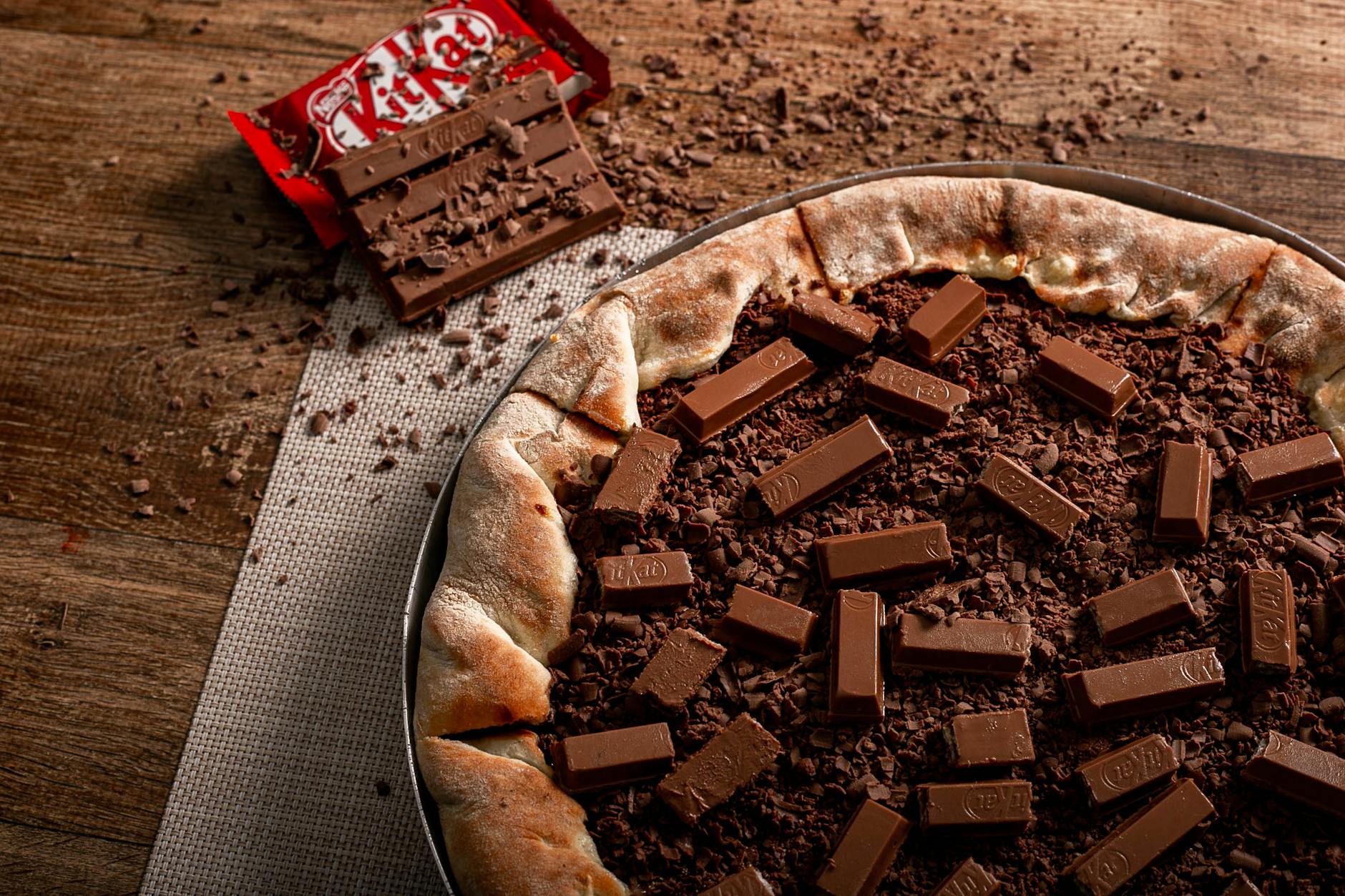
The surge in demand is largely attributed to the company’s revamped product portfolio tailored specifically to Indian consumer preferences. Recent launches, including the premium ‘KitKat Celebreak’ range and the bite-sized ‘KITKAT Delights,’ have allowed the brand to capture both the gifting segment and the impulsive snacking demographic.
Nestlé’s strategy has moved beyond traditional retail, focusing on high-frequency distribution points in rural and semi-urban areas. Increased marketing investments, featuring localized advertising campaigns, have further solidified the brand’s emotional connection with a younger, aspirational Indian consumer base.
Data-Backed Growth Trajectory
Market analysts note that India’s confectionery sector is currently experiencing a compound annual growth rate (CAGR) of approximately 10% to 12%. Nestlé’s ability to leverage this growth is evidenced by its consistent double-digit volume growth in the region over the last several fiscal quarters.
Industry experts emphasize that the success is not merely a result of population size, but of strategic pricing. By offering a range of price points—from small, affordable units to premium gift packs—the company has successfully insulated itself against the price sensitivity often associated with the Indian consumer market.
Implications for the Global Retail Industry
This shift signals a broader trend where global FMCG giants are increasingly prioritizing the Indian market as a primary engine for volume growth. As saturation levels rise in European and North American markets, companies are finding that adaptation is the key to maintaining long-term shareholder value.
For competitors, the success of KitKat in India serves as a blueprint for localized product innovation. It demonstrates that international brands can win in diverse markets by balancing global brand identity with specific, localized product formats that cater to regional festivals and cultural snacking habits.
Looking Ahead
Moving forward, industry observers are watching to see if Nestlé will replicate this localized strategy in other emerging markets across Southeast Asia and Africa. The company is expected to continue its investment in manufacturing capacity within India to keep pace with the rising demand, potentially turning the country into an export hub for neighboring regions. Whether this dominance can be maintained amidst growing competition from local and regional chocolate manufacturers remains a critical metric to watch in the coming fiscal year.