




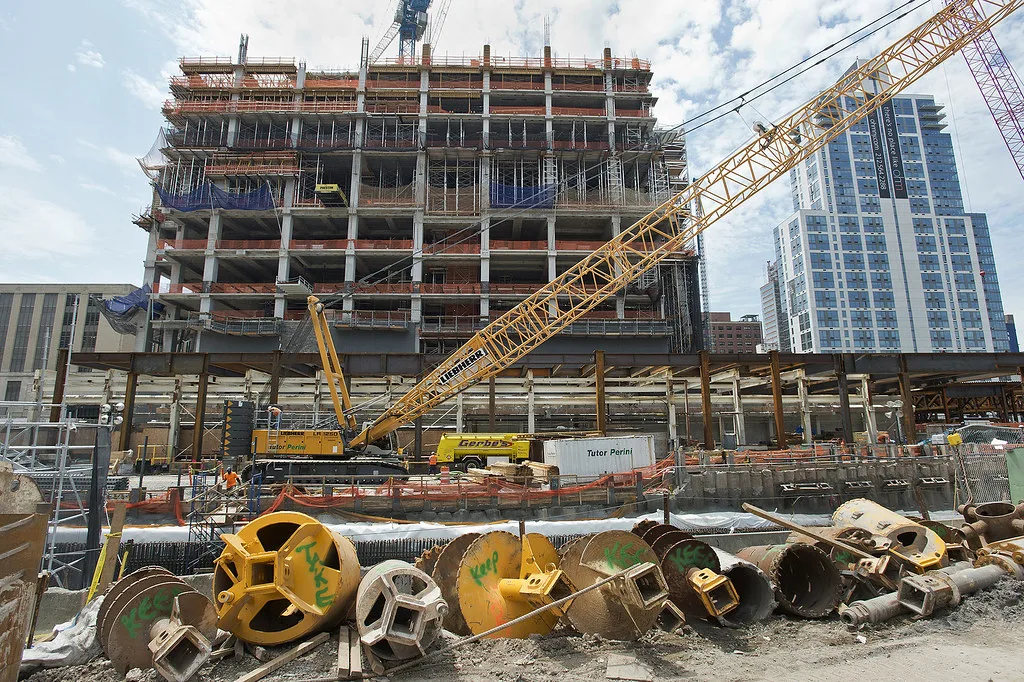
The National High Speed Rail Corporation Limited (NHSRCL) has successfully lowered the largest tunnel boring machine (TBM) cutterhead ever used in India at Vikhroli, Mumbai, marking a critical advancement in the construction of the Mumbai-Ahmedabad Bullet Train project. This 350-tonne component, measuring 13.6 metres in diameter, serves as the centerpiece for the primary shield assembly intended to carve out the country’s first undersea rail tunnel.
Engineering Context and Project Scope
The Mumbai-Ahmedabad High-Speed Rail corridor represents India’s ambitious push toward high-speed connectivity. The project includes a challenging 21-kilometre underground tunnel, of which 16 kilometres are being excavated by these massive TBMs. A significant 7-kilometre segment of this route will run beneath Thane Creek, establishing a precedent as India’s first undersea rail tunnel.
Each of the two TBMs deployed for this project weighs over 3,000 tonnes, reflecting the scale of engineering required to traverse Mumbai’s complex geography. The machines are designed to excavate a single large tunnel that accommodates both the up and down railway lines, streamlining the structural requirements for the high-speed corridor.
Technical Specifications and Assembly
The assembly of the cutterhead was a logistical feat, requiring five separate shipments and 1,600 kilograms of high-precision welding on-site. The unit is equipped with 84 cutter discs for primary excavation, 124 scrapers for muck clearance, and 16 bucket lips to manage material removal. The weight of the cutterhead alone is comparable to 250 midsize SUVs, illustrating the immense force required to penetrate the subterranean rock layers.
The TBMs are programmed to excavate a 6-kilometre stretch starting from Vikhroli. The path will take the machines beneath dense urban residential clusters and the Mithi River before eventually reaching the Bandra Kurla Complex (BKC) station site.
Safety and Monitoring Infrastructure
Given the proximity to urban infrastructure, NHSRCL has implemented a sophisticated suite of monitoring technologies to mitigate construction risks. The project utilizes Surface Settlement Points (SSP), Optical Displacement Sensors (ODS), strain gauges, and seismographs. These instruments provide real-time data on vibration, ground displacement, and tunnel surface strain, ensuring that the excavation process does not compromise the structural integrity of the surrounding city.
Industry Implications and Future Outlook
The successful deployment of these massive TBMs signals a maturation in India’s heavy infrastructure capabilities. For the rail industry, this project serves as a test case for future high-speed urban tunneling projects that require navigating complex environmental and structural constraints. As the TBMs begin their journey toward BKC, industry observers will be watching closely to see how effectively these monitoring systems maintain stability in one of the world’s most densely populated urban environments. Future project timelines will likely depend on the performance of these machines as they transition from the Vikhroli site into the deeper, more challenging segments of the Thane Creek undersea crossing.