





A Resurgence in the Heartland
In the small industrial hub of Camden, Arkansas, the local economy is undergoing a rapid transformation as defense contractors ramp up production to meet surging global wartime demand. Throughout 2024, major aerospace and defense firms, including Lockheed Martin and Aerojet Rocketdyne, have expanded their manufacturing footprints in the region to accelerate the output of precision missiles and tactical weaponry. This surge in activity has effectively positioned the town as a critical node in the American military-industrial supply chain.
The Historical Context of Camden’s Defense Sector
Camden has long served as a center for munitions production, dating back to the establishment of the Shumaker Naval Ammunition Depot during World War II. Following the post-Cold War era, the region experienced significant economic fluctuations as government contracts waned and industrial facilities consolidated. Today’s renewed focus on the town is driven by a shift in national defense strategy, which prioritizes the replenishment of stockpiles following international conflicts and the modernization of missile defense capabilities.
Scaling Up for Global Demands
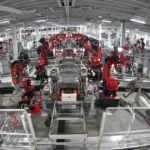
The current scale of production is unprecedented for the region, requiring a massive influx of skilled labor and infrastructure investment. Lockheed Martin recently announced significant hiring initiatives to support the manufacturing of the Guided Multiple Launch Rocket System (GMLRS), a weapon system that has seen high usage in current global theaters. These facilities operate around the clock, utilizing advanced robotics and precision engineering to meet strict Department of Defense delivery schedules.
Economic Impact and Workforce Challenges
The revitalization of the defense industry has brought thousands of high-wage jobs to Ouachita County, significantly lowering local unemployment rates. However, the rapid growth presents a unique set of challenges for the municipality, including the need for expanded housing, infrastructure upgrades, and a pipeline of technical talent. Local technical colleges have begun partnering with manufacturers to create specialized training programs, aiming to bridge the gap between regional education and industrial requirements.
Expert Perspectives on Defense Manufacturing
Industry analysts note that the Camden model serves as a blueprint for how domestic manufacturing can be revitalized through targeted government spending. According to data from the National Defense Industrial Association, the U.S. defense industrial base is currently facing its most significant capacity test in decades. Experts argue that the ability to scale production quickly is no longer just an economic goal but a critical component of national security strategy.
Implications for the Future
As the conflict landscape continues to evolve, the demand for precision weaponry shows little sign of abating. Industry watchers are now monitoring how these defense contractors will balance current surge requirements with long-term technological innovation, specifically in the realm of hypersonic missiles and autonomous systems. For residents of Camden, the coming years will likely be defined by sustained industrial growth and the town’s continued role as a focal point in the U.S. military’s strategic readiness.