




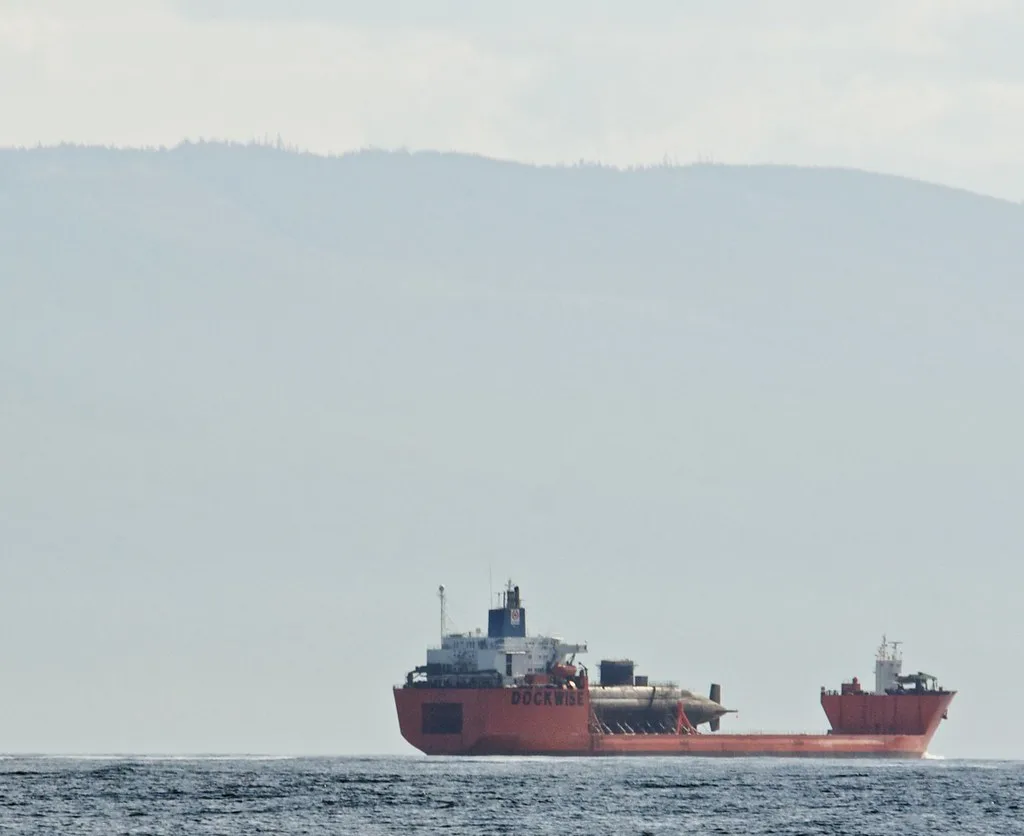
A Suezmax tanker carrying Iraqi crude oil successfully navigated the Strait of Hormuz this week and is currently en route to India, marking a rare moment of movement in a critical maritime chokepoint currently paralyzed by ongoing regional tensions. As the conflict in West Asia enters its 12th week, commercial vessel traffic through this vital energy corridor remains significantly suppressed, with daily transits hovering at approximately half of pre-war levels.
Context of the Strait of Hormuz Blockade
The Strait of Hormuz serves as the world’s most significant oil transit chokepoint, with roughly one-fifth of the globe’s total oil consumption passing through its narrow waters. Since the onset of the current conflict, the passage has become a focal point of geopolitical maneuvering, with Iran effectively maintaining a blockade that has disrupted global energy supply chains.
Tehran has formally linked the reopening of the strait to a list of five conditions, explicitly demanding the recognition of its sovereignty over the waterway before it considers re-engaging in diplomatic negotiations. Despite frequent assertions from U.S. leadership regarding the potential for imminent de-escalation, there are currently no concrete signs that Iranian authorities intend to lift these restrictions.
Tracking the Karolos and Regional Dynamics
Data provided by ship-tracking firm Kpler confirms that the tanker ‘Karolos’ loaded its cargo at Basra, Iraq, between May 10 and May 11. Satellite imagery from the European Union’s Sentinel-2 program corroborated these movements, capturing a vessel matching the dimensions and color profile of the ‘Karolos’ at the Basra loading buoys during that window.
The vessel was spotted on Thursday in the Gulf of Oman with a draft indicating it was fully loaded, signaling a successful transit through the tense corridor. While this movement provides a temporary reprieve for specific supply contracts, other vessels remain caught in the regional gridlock. The tanker ‘Agios Fanourios I,’ previously detained by the United States while carrying Iraqi oil to Vietnam, remains anchored in the Gulf of Oman, while the ‘Kiara M’ appears to have engaged in a ship-to-ship transfer of its cargo near the coast of Oman.
Industry Implications and Market Volatility
The persistent instability in the Persian Gulf has forced shipping companies to navigate an increasingly volatile risk environment. With daily transits fluctuating—dropping to as low as five vessels on Friday before recovering slightly to six on Saturday—the unpredictability of the route creates significant challenges for global energy planning.
For the broader energy market, the primary concern remains the potential for sudden, prolonged closures that could trigger sharp spikes in global crude prices. Stakeholders are now watching for signs of whether the ‘Karolos’ transit represents a localized exception or the beginning of a managed reopening of the strait. Future developments will likely hinge on the progression of diplomatic backchannels and the ongoing efforts by regional actors to balance sovereign claims against international pressure to restore maritime freedom of navigation.