





Nationwide Protest Disrupts App-Based Services
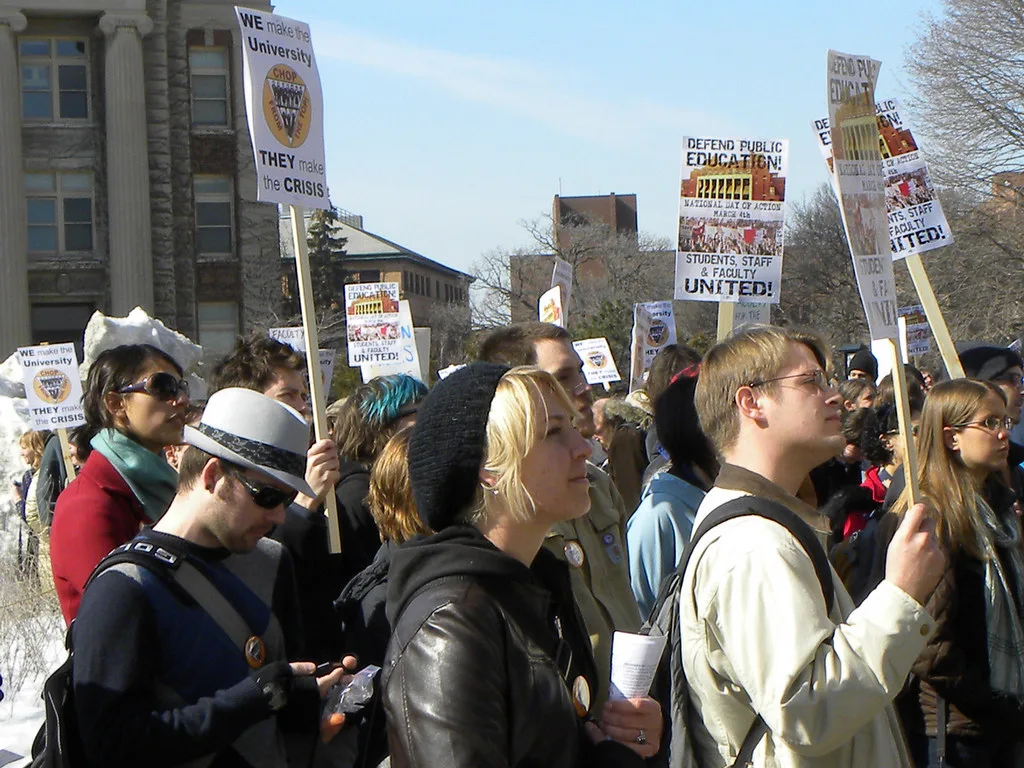
Thousands of gig workers across the country initiated a five-hour nationwide shutdown of app-based services today, between 12:00 pm and 5:00 pm, to demand a minimum pay rate of Rs 20 per kilometer. Organized by the Gig and Platform Services Workers Union (GIPSWU), the strike aims to highlight the growing financial disparity faced by delivery personnel and ride-hailing drivers as inflation outpaces their current earnings.
The Economic Context of the Gig Economy
The protest comes as a direct response to the compounding effects of rising fuel prices and the increased cost of domestic LPG cylinders. For many gig workers, these overhead costs directly erode their net income, leaving them with minimal profit margins after accounting for vehicle maintenance and daily living expenses.
Labor experts note that the gig economy model, which often classifies workers as independent contractors rather than employees, has left many individuals without the safety nets of minimum wage laws or health insurance. As living costs continue to climb, the inherent instability of piece-rate compensation has become a focal point for labor advocacy groups.
Industry Perspectives and Economic Pressures
The GIPSWU leadership asserts that the current pay structures are no longer sustainable in the face of current market volatility. By demanding a fixed rate of Rs 20 per kilometer, the union seeks to establish a predictable baseline that accounts for the actual operational costs of their vehicles.
Data from recent labor studies suggests that the average take-home pay for platform workers has stagnated while the cost of living has surged by double digits over the past two years. Industry analysts observe that platforms have historically relied on incentives to attract workers, but as these platforms mature and focus on profitability, the reduction in incentives has left workers feeling increasingly marginalized.
Implications for the Platform Economy
This coordinated action signals a potential shift in the relationship between tech-enabled service platforms and their workforce. If the demands for a standardized per-kilometer rate are not met, experts suggest that labor shortages could disrupt service reliability for major delivery and mobility companies in the coming months.
For consumers and investors, the protest underscores the fragility of a business model predicated on low-cost labor. The industry now faces a critical juncture where it must balance the need for competitive pricing with the growing necessity of ensuring a living wage for its essential service providers.
What to Watch Next
Observers are now tracking whether platform operators will enter formal negotiations with GIPSWU to avert future, more prolonged strikes. Future developments will likely center on legislative efforts to formalize labor protections for platform-based workers, as policymakers face increasing pressure to intervene in the widening gap between corporate profit and worker welfare.