





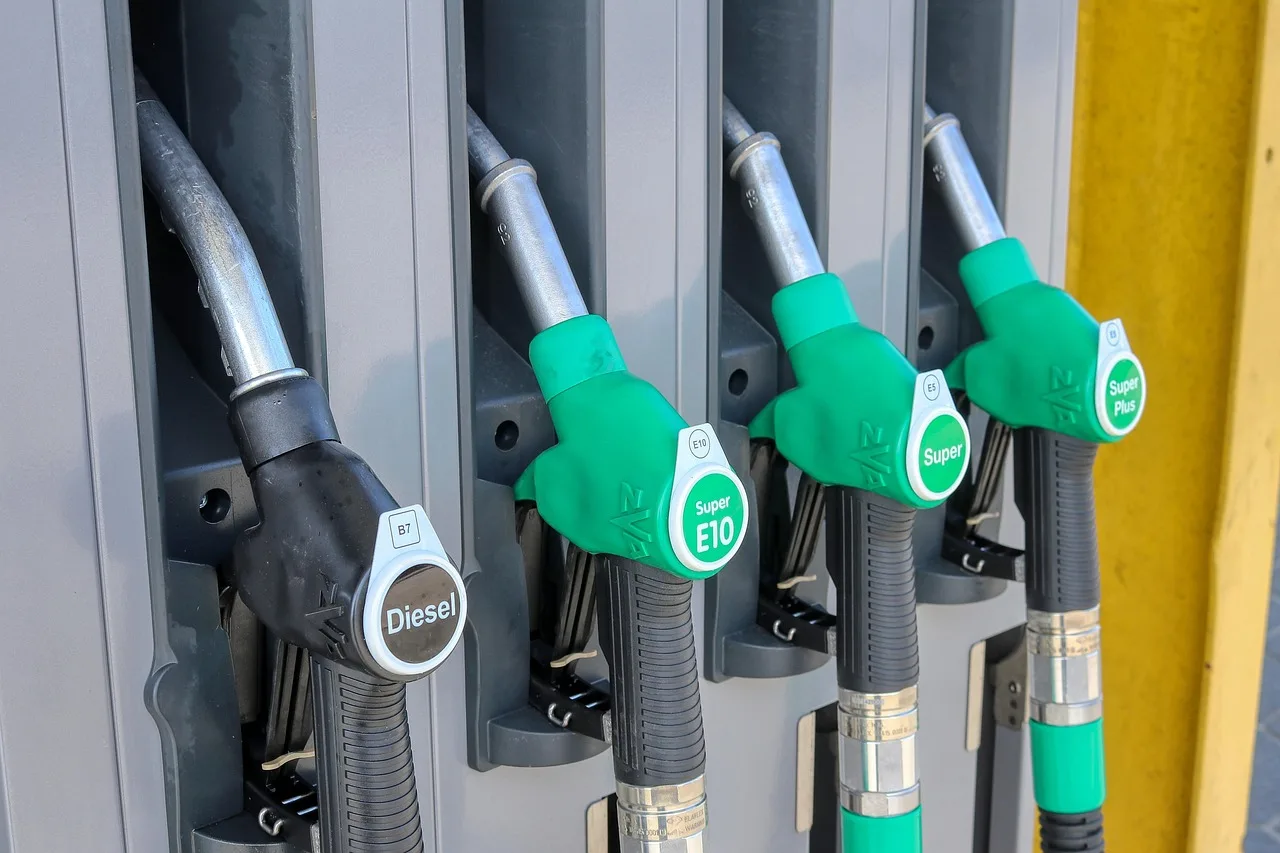
President Donald Trump has officially signaled his support for a temporary suspension of the federal gasoline tax, a move intended to provide immediate financial relief to American motorists struggling with record-high fuel prices. The proposal comes as national gas prices reached an average of $4.53 per gallon as of May 15, according to data from the American Automobile Association (AAA).
The Context of Global Energy Volatility
The current surge in pump prices follows a period of intense instability in global energy markets, largely driven by the ongoing conflict in Iran. The strategic closure of the Strait of Hormuz, a critical maritime chokepoint for global oil transit, has severely disrupted supply chains.
With crude oil prices currently hovering above $100 per barrel, energy analysts suggest that the upward pressure on retail fuel costs is likely to persist. The federal gas tax, which currently stands at 18.4 cents per gallon for gasoline and 24.4 cents for diesel, has become the focal point of a heated debate regarding how the government should respond to inflation.
Economic Arguments and Fiscal Concerns
Proponents of the tax holiday argue that even a modest reduction in per-gallon costs would offer significant relief to working-class families who rely on personal vehicles for their daily commute. By removing the federal levy, supporters believe the government can directly offset a portion of the price hike caused by the international crisis.
Conversely, critics are raising alarms regarding the long-term impact on national infrastructure funding. The federal gas tax is the primary revenue source for the Highway Trust Fund, which finances road, bridge, and transit projects nationwide. Economists warn that suspending these collections would force Washington to contend with mounting fiscal pressures or seek alternative funding mechanisms to prevent a shortfall in infrastructure maintenance.
Broader Market Implications
Industry experts emphasize that a tax suspension does not address the core issue of global oil supply shortages. While a temporary cut might lower the price at the pump, it may also incentivize higher consumption at a time when global reserves remain constrained.
Furthermore, the effectiveness of such a policy depends heavily on whether fuel retailers pass the full savings on to consumers. Historical data on previous fuel tax holidays suggests that price fluctuations in the retail market often absorb these savings, potentially blunting the intended benefit for the average driver.
Future Outlook and Legislative Hurdles
As the administration considers formalizing this proposal, lawmakers are expected to weigh the political popularity of tax relief against the necessity of stable infrastructure investment. Observers are currently monitoring upcoming congressional sessions to see if a bipartisan consensus can be reached on a short-term suspension.
Key indicators to watch in the coming weeks include crude oil futures and the potential for diplomatic breakthroughs regarding the Strait of Hormuz. If global supply lines remain obstructed, pressure on the administration to implement direct consumer subsidies or tax relief measures is expected to intensify throughout the summer travel season.