




Strengthening Energy and Strategic Ties
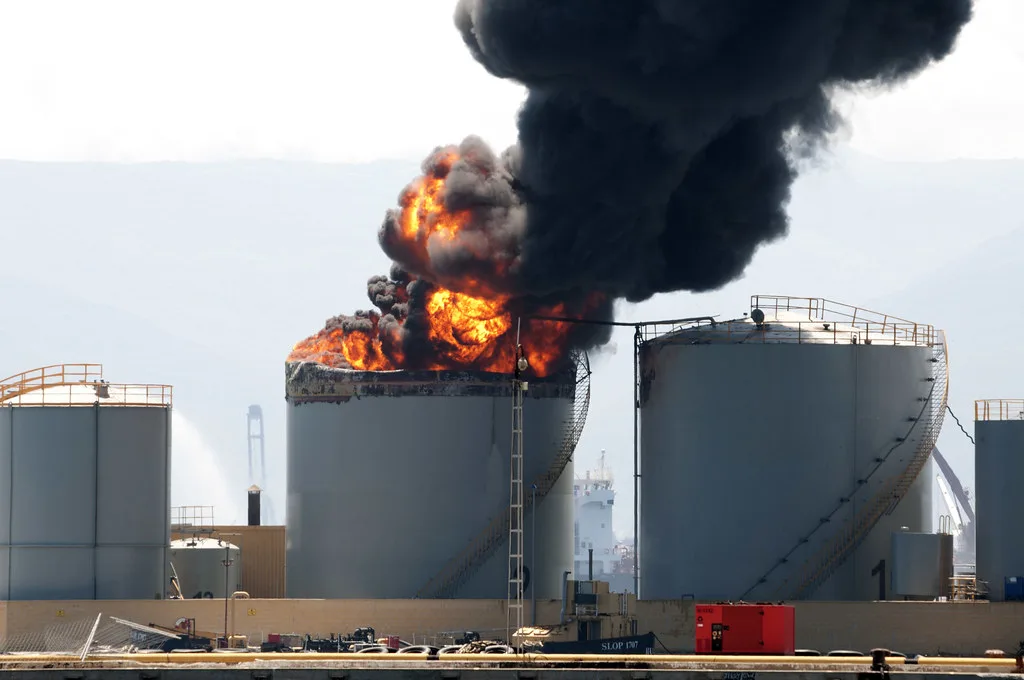
Following a high-level diplomatic visit by Prime Minister Narendra Modi to the United Arab Emirates on May 15, India and the UAE have finalized a series of landmark agreements designed to bolster energy security, technological infrastructure, and defense cooperation. Foreign Secretary Vikram Misri confirmed that the UAE has committed to storing up to 30 million barrels of crude oil within India’s Strategic Petroleum Reserve, a move intended to fortify India’s energy resilience against global supply chain volatility.
Context of India-UAE Energy Cooperation
Energy security has long been a foundational pillar of the bilateral relationship between New Delhi and Abu Dhabi. India, as one of the world’s largest importers of crude oil, relies heavily on stable supply chains to fuel its growing economy. By allowing the Abu Dhabi National Oil Company (ADNOC) to utilize Indian storage facilities, the two nations are deepening a symbiotic relationship that ensures the UAE has a reliable market while India gains a critical buffer against sudden energy shortages.
Expanding Investment and Technological Collaboration
Beyond the petroleum sector, the visit yielded USD 5 billion in new investment commitments spanning banking, infrastructure, and financial services. Major entities, including the Abu Dhabi Investment Authority and the International Holding Company, are set to increase their footprint in India’s National Infrastructure Investment Fund and various domestic capital markets. These investments reflect the UAE’s status as the seventh-largest foreign investor in India over the past quarter-century.
Technological advancement also took center stage, with both nations signing a term sheet to establish an 8-exaflop supercomputing facility in India. This infrastructure is expected to accelerate India’s national Artificial Intelligence mission. Furthermore, the operationalization of the virtual trade corridor, known as the Maritime Economic Trade Route Initiative (METRI), aims to streamline maritime commerce and reduce logistical inefficiencies between the two nations’ ports.
Defense and Regional Stability
The bilateral partnership has expanded into the defense sector, with the establishment of a framework for joint manufacturing and technology sharing. Partnerships between the Cochin Shipyard Limited and Drydocks World of Dubai will see the development of a ship repair cluster in Vadinar and a center of excellence for maritime skill development. These initiatives underscore a shared commitment to building industrial resilience.
During the meetings, Prime Minister Modi addressed the geopolitical climate, reiterating India’s condemnation of recent attacks within the UAE. Both leaders emphasized the necessity of maintaining unimpeded transit through the Strait of Hormuz, a critical chokepoint for global oil shipments. The discourse highlighted a unified stance on protecting international shipping lanes and ensuring the safety of mariners in the region.
Implications and Future Outlook
For the energy industry, the increase in storage capacity represents a significant shift toward deeper integration of regional petroleum inventories. Market analysts suggest that this collaborative storage model could serve as a blueprint for future energy partnerships between India and other Gulf Cooperation Council (GCC) nations. As the METRI trade corridor becomes fully operational, observers will be watching for measurable improvements in trade transit times and the subsequent impact on commodity pricing. The success of the newly announced supercomputing facility will also be a critical indicator of how effectively these diplomatic agreements can translate into tangible gains for India’s digital economy.