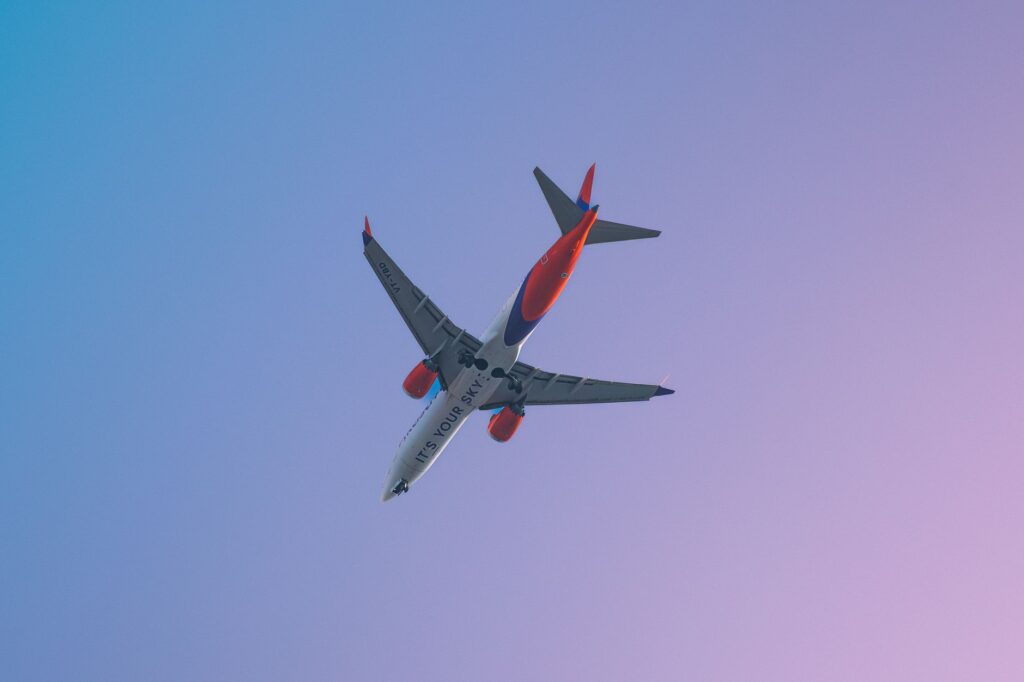

Scaling for Growth in the Indian Skies
Akasa Air, India’s youngest airline, officially expanded its operational fleet to 40 aircraft this week following the delivery of its ninth Boeing 737 MAX in 2026. The new aircraft completed a complex international ferry route, departing from Boeing’s manufacturing hub in Seattle, United States, with technical stops in Reykjavik, Iceland, and Cairo, Egypt, before arriving at its final destination in Bengaluru. This delivery marks a significant infrastructure milestone for the carrier as it seeks to solidify its position in the highly competitive Indian aviation market.
The Trajectory of a Rapidly Expanding Fleet
Since its inaugural flight in August 2022, Akasa Air has maintained one of the fastest growth trajectories in global aviation history. The airline’s strategy centers exclusively on the Boeing 737 MAX family, a choice that executives argue provides operational efficiency and lower maintenance costs. By standardizing its fleet, the company has managed to streamline pilot training and spare parts inventory, which are critical components for a low-cost carrier operating under tight margins.
The journey from Seattle to Bengaluru highlights the logistical coordination required to scale a modern airline. Ferrying a narrow-body aircraft across multiple continents involves stringent regulatory compliance, fuel planning, and crew rotations. This specific delivery underscores the airline’s commitment to fleet modernization as it prepares to increase its frequency on existing domestic routes and potentially expand its international footprint.
Market Dynamics and Competitive Pressures
The Indian aviation sector is currently experiencing a post-pandemic surge in passenger demand, with the Directorate General of Civil Aviation (DGCA) reporting record-breaking traffic numbers for consecutive months. Akasa Air’s expansion arrives at a time when established players like IndiGo and the Tata-owned Air India group are also aggressively placing multi-billion dollar orders for new aircraft. According to data from the International Air Transport Association (IATA), India is projected to be the world’s third-largest aviation market by 2030, necessitating significant capacity additions from all domestic carriers.
Industry analysts note that Akasa’s focused expansion strategy allows it to capture market share in tier-two and tier-three cities, where demand for air connectivity is outpacing infrastructure development. By deploying the 737 MAX, the airline is positioning itself to offer competitive pricing while maintaining a modern cabin experience, which is increasingly becoming a differentiator for Indian travelers.
Operational Efficiency and Future Outlook
Maintaining a fleet of 40 aircraft requires a robust support ecosystem, including ground handling, maintenance, repair, and overhaul (MRO) partnerships. Akasa Air has invested heavily in digital-first operations, utilizing cloud-based systems to manage flight scheduling and passenger services. These investments are designed to mitigate the operational disruptions that often plague rapidly scaling airlines.
Observers will be watching how the airline manages its next phase of growth, specifically regarding international expansion. With a fleet size of 40, the company now possesses the necessary scale to launch longer-haul routes within the South Asian region and beyond. Future developments to monitor include the potential for additional aircraft orders to replace older units or further increase capacity, as well as the airline’s ability to navigate the rising costs of aviation turbine fuel (ATF) in a volatile global energy market.