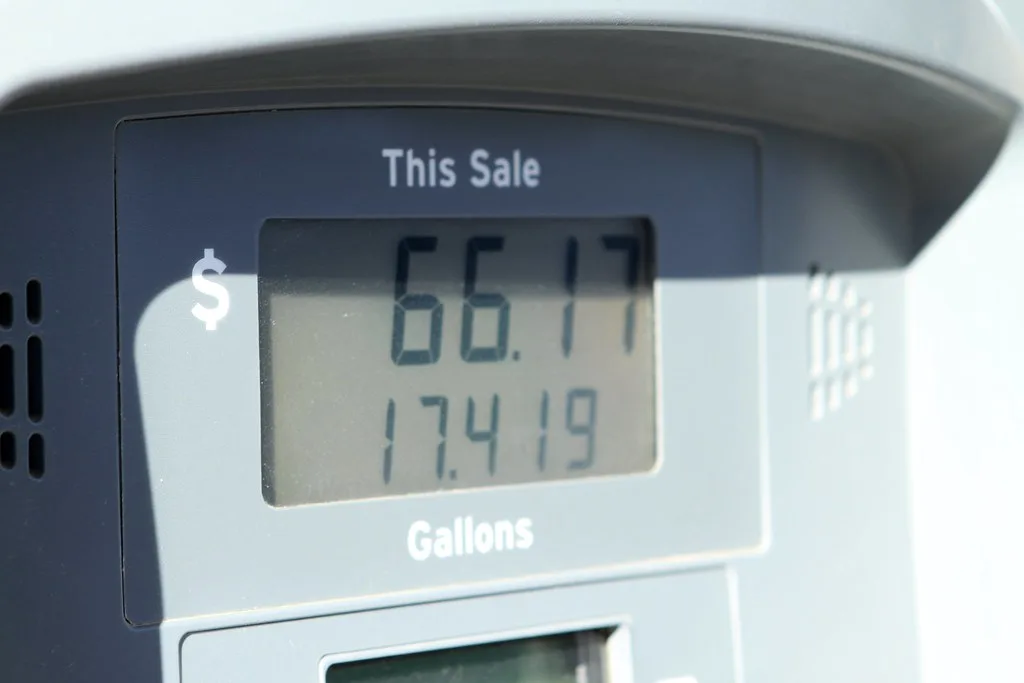






Indian consumers are facing a sharp increase in the cost of living this May 2026, as the escalating crisis in West Asia ripples through global supply chains and drives up prices for essential commodities including petrol, gold, milk, LPG, and CNG. The volatility in international energy markets, triggered by regional geopolitical instability, has forced domestic retailers to pass on rising operational and procurement costs to the end user.
The Geopolitical Catalyst
The primary driver behind these sudden price hikes is the heightened tension in West Asia, a region that serves as a critical artery for global oil and gas distribution. According to industry analysts, disruptions in shipping routes and the threat of regional conflict have pushed Brent crude oil prices to multi-month highs.
Because India imports a vast majority of its crude oil requirements, the weakening of the rupee against the dollar, combined with higher global oil prices, has created a dual-inflationary effect. This macro-economic pressure is immediately visible at the pump, with petrol and diesel prices climbing steadily throughout the first two weeks of May.
Impact on Essential Goods
The inflationary trend is not limited to energy costs. The rise in fuel prices has increased the logistical expenses for transporting perishable goods, which has contributed to higher retail prices for milk and other dairy products.
Simultaneously, the precious metals market has seen a surge in gold prices as investors flock to safe-haven assets amidst global uncertainty. Local bullion markets have recorded significant daily fluctuations, impacting both retail jewelry buyers and industrial consumers.
Furthermore, the cost of clean energy alternatives like Compressed Natural Gas (CNG) and Liquefied Petroleum Gas (LPG) has also seen an upward trajectory. This shift affects both household budgets and the burgeoning fleet of public transportation vehicles that rely on gas-based fuel to maintain lower operational costs.
Expert Analysis and Economic Data
Financial experts point to a supply-side shock as the primary culprit for this sudden spike. Recent data from the Ministry of Commerce suggests that the wholesale price index (WPI) is likely to reflect these trends in the coming quarter, potentially dampening consumer sentiment.
Economists at leading financial institutions argue that while the government has attempted to absorb some shocks through excise duty adjustments, the sheer scale of the global supply chain disruption makes it difficult to fully insulate the domestic market. “The current situation highlights the vulnerability of import-dependent economies to sudden geopolitical shifts in key energy corridors,” noted an analyst from a prominent trade research firm.
Looking Ahead
Market observers are now closely monitoring the situation in the Strait of Hormuz, as any further escalation could lead to more severe supply constraints. For consumers, the immediate outlook remains cautious, with households likely to prioritize essential spending as they adjust to the higher cost of transport and household utilities.
Industry experts suggest that if the regional crisis persists, the focus will shift toward government intervention strategies, such as potential subsidies or strategic reserve releases, to stabilize prices. Stakeholders should watch for upcoming central bank policy announcements, as these will indicate how authorities plan to manage the resulting inflationary pressure throughout the remainder of the year.