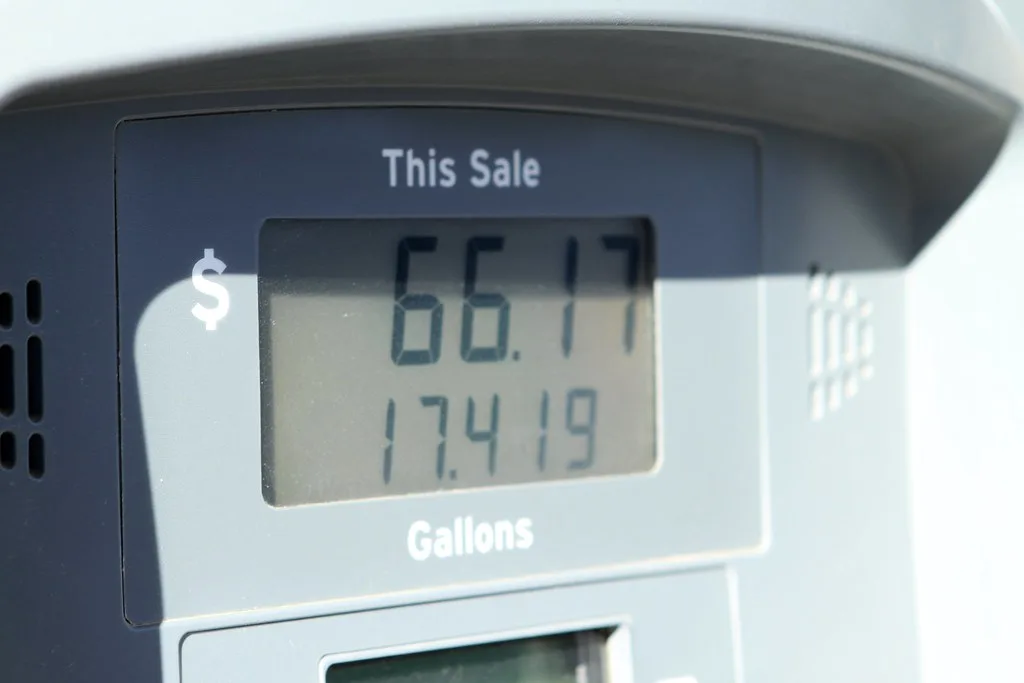





Indian consumers are facing an immediate financial strain this week as state-run oil companies increased fuel prices by Rs 3 per liter across major cities. This adjustment comes as a direct consequence of global supply chain disruptions that have severely restricted maritime traffic, driving international crude oil benchmarks to multi-month highs. As a nation that imports over 85% of its crude oil requirements, India remains acutely vulnerable to these volatile price fluctuations.
The Context of Global Supply Disruptions
The recent price hike follows months of mounting pressure on global energy corridors. Critical maritime chokepoints, essential for the transit of tankers from the Middle East to Asia, have experienced significant bottlenecks due to geopolitical tensions and security concerns. These obstacles have forced shipping companies to reroute vessels, adding thousands of miles and weeks of transit time to standard supply lines.
Increased transit times have led to a sharp rise in insurance premiums and fuel consumption for shipping fleets. When combined with the inherent instability of the crude market, these logistical costs are passed directly to the end-user. For India, which manages a delicate balance between fiscal deficit targets and inflationary control, the rising cost of imported energy creates a difficult macroeconomic environment.
Economic Ripples and Industry Impact
The impact of this fuel price hike extends far beyond the individual driver at the pump. Transportation costs serve as a foundational element for the pricing of almost all consumer goods in India. As logistics firms adjust their rates to compensate for higher diesel costs, experts anticipate a secondary wave of inflation affecting everything from fresh produce to manufactured electronics.
Economists point to the recent data from the Ministry of Petroleum and Natural Gas, which highlights the widening gap between retail pricing and the actual cost of crude landing in Indian ports. With the Indian rupee facing its own pressures against the strengthening US dollar, the cost of importing energy has become increasingly expensive for state-owned oil marketing companies (OMCs). These companies have absorbed significant losses over the previous quarters, leaving them with limited capacity to shield consumers from further global price spikes.
Expert Perspectives on Market Volatility
Energy analysts suggest that the current Rs 3 increase might only be the beginning of a sustained upward trend. Data from the International Energy Agency (IEA) indicates that global demand remains robust while supply remains constrained by OPEC+ production cuts and logistical hurdles. Without a resolution to the transit issues impacting shipping lanes, the premium on crude oil is unlikely to dissipate in the near term.
Financial institutions have already begun revising their inflation forecasts for the current fiscal year. If energy prices continue to climb, the Reserve Bank of India may find its monetary policy options constrained, as raising interest rates to combat inflation could simultaneously stifle domestic growth. The industry is closely monitoring the state of global shipping routes as the primary indicator for future price adjustments.
What to Watch Next
Market watchers should monitor the upcoming geopolitical summits and shipping security updates as key indicators of potential price stabilization. If maritime corridors reopen or insurance costs stabilize, the pressure on retail fuel prices may moderate. However, should supply chain disruptions persist, consumers and businesses alike must prepare for further adjustments to fuel pricing, as the government faces mounting pressure to pass on the full impact of global market realities.