





Earnings Performance Amid Market Shifts
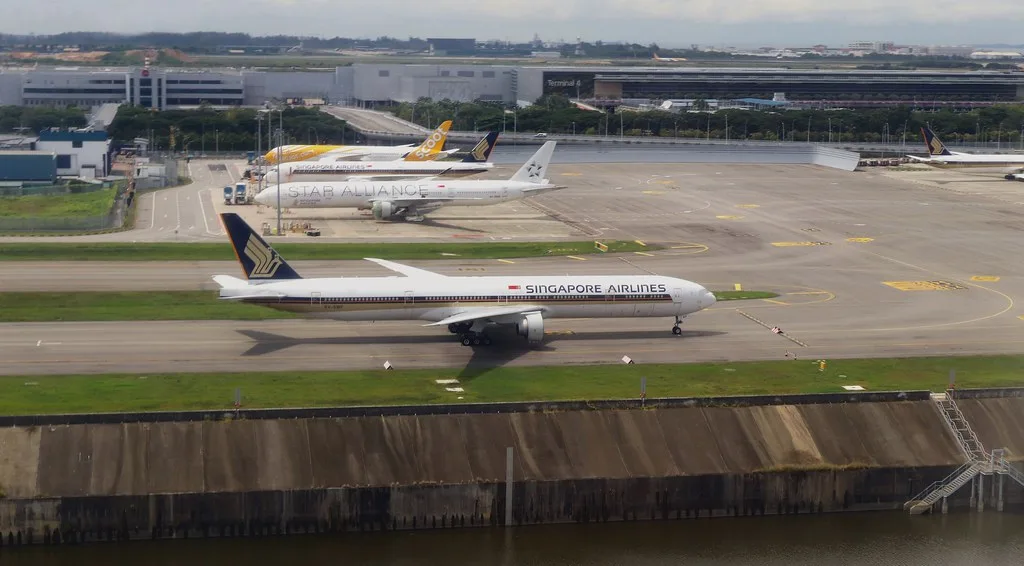
Singapore Airlines (SIA) reported a 57% decline in net profit for the second quarter of the 2024 financial year, reaching S$290 million as mounting operational costs and the absence of one-off gains hampered the carrier’s bottom line. The airline, often cited as a benchmark for premium global aviation, faced significant pressure due to a S$122 million share of losses from its stake in Air India and the lack of a non-recurring accounting gain that boosted the previous year’s figures.
Contextualizing the Financial Headwinds
The airline’s financial performance reflects the complex challenges of modern aviation consolidation. Last year, the group benefited from a one-time accounting gain following the merger of Vistara into Air India, a benefit that did not repeat in this reporting period. Additionally, the broader aviation industry is currently navigating a stabilization phase as the post-pandemic surge in travel demand cools and inflationary pressures on fuel and labor persist.
Operational Pressures and Strategic Investments
While revenue grew by 2% to S$4.85 billion, the airline’s expenditure rose at a faster pace, climbing 11% to S$4.5 billion. This surge in costs was driven largely by higher net fuel costs and increased non-fuel expenditures as the airline continues to invest in fleet modernization and service enhancements. The group’s share of losses from its associated companies, primarily Air India, highlights the long-term capital intensity required to turn around legacy carriers in the competitive Indian aviation market.
Expert Insights on Industry Trends
Industry analysts suggest that Singapore Airlines is currently in a transition period as it works to integrate its expanded footprint in India. According to recent aviation market data, while passenger yields remain relatively stable, the industry is seeing a normalization of airfares after the exceptionally high prices witnessed during the 2022-2023 recovery period. The competitive landscape in Southeast Asia remains fierce, with low-cost carriers aggressively expanding capacity on regional routes.
Future Implications and Market Outlook
The immediate outlook for Singapore Airlines remains tied to the success of its integration strategy with Air India and its ability to manage rising operating costs. Shareholders and stakeholders will be watching closely to see if the group can improve its margins in the second half of the fiscal year as it navigates seasonal travel patterns. Looking forward, the focus shifts toward whether the airline can maintain its premium positioning while managing the heavy capital requirements of its regional expansion and fleet renewal programs.