





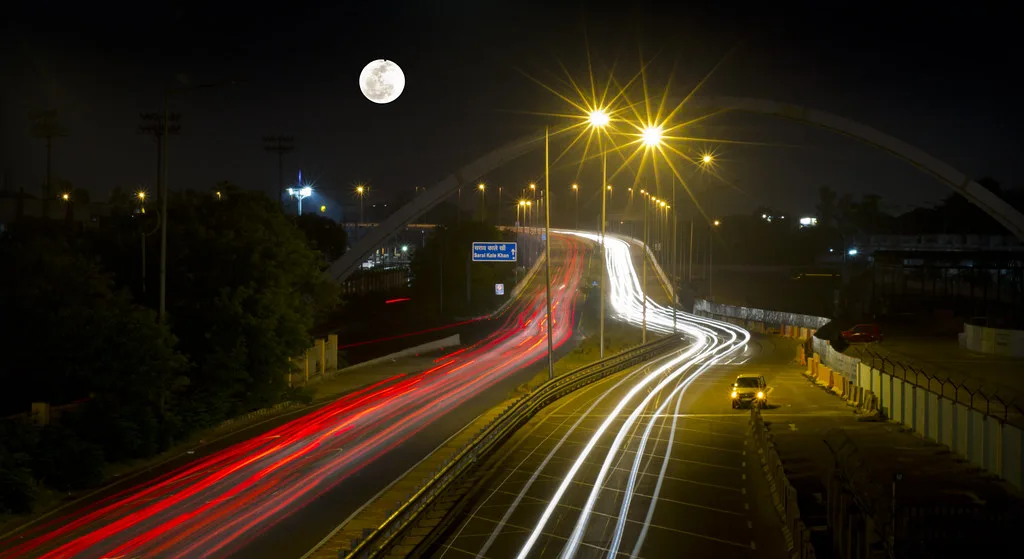
New Directives to Curb Fuel Consumption
The Delhi government officially announced a comprehensive set of fuel-saving measures this week, mandating work-from-home (WFH) protocols and a shift to online meetings for government employees to reduce urban traffic congestion. This initiative, launched in the national capital region, aims to significantly lower fuel consumption and address rising air pollution levels by curbing non-essential vehicular movement during peak hours.
Contextualizing the Capital’s Energy Crisis
Delhi has struggled for years with the dual challenges of extreme traffic density and hazardous air quality, both of which are exacerbated by heavy reliance on fossil-fuel-powered private vehicles. The decision follows a series of government assessments indicating that a substantial percentage of daily commutes are non-essential, contributing to both economic inefficiency and environmental degradation. Previous attempts to manage traffic, such as the Odd-Even vehicle rationing scheme, provided temporary relief, but officials are now pivoting toward permanent behavioral shifts like remote work to achieve long-term sustainability.
Strategic Shifts in Urban Mobility
Beyond the WFH mandates, the government is intensifying its push for public transit usage, specifically targeting the Delhi Metro as the primary mode of commute for the workforce. Authorities are coordinating with transport agencies to increase the frequency of trains and implement last-mile connectivity solutions, such as feeder buses and electric rickshaws. By streamlining the public transportation network, the administration expects to reduce the number of private cars on the road by an estimated 15% within the next quarter.
Expert Perspectives and Data Projections
Urban planning analysts note that while the shift to virtual meetings is a positive step, the success of the initiative hinges on infrastructure reliability. According to data from the Ministry of Petroleum and Natural Gas, the national capital consumes millions of liters of fuel daily, with personal vehicles accounting for the majority of the sector’s carbon footprint. Environmental experts suggest that even a modest reduction in daily commuting could lead to a measurable drop in particulate matter (PM2.5) levels, providing immediate health benefits to the city’s residents.
Industry and Economic Implications
For the private sector, these government-led changes signal a broader push toward the adoption of hybrid work models that transcend traditional office norms. Industry leaders are evaluating the long-term impact on operational costs, noting that reduced office occupancy can lead to significant savings in overhead while simultaneously aligning with global ESG (Environmental, Social, and Governance) targets. However, small businesses reliant on foot traffic and logistics may face transitional hurdles as the city adjusts to a lower-mobility environment.
Looking Toward Future Urban Resilience
As the government monitors the success of these initial measures, observers are watching for potential expansions, such as stricter curbs on heavy-duty commercial vehicles during daylight hours or expanded incentives for electric vehicle adoption. The ultimate goal remains the creation of a ‘smart city’ framework where digital connectivity reduces the physical strain on urban infrastructure. Future updates are expected to include a digital dashboard for tracking city-wide fuel savings, which will serve as a benchmark for other rapidly growing metropolitan areas across India.