




As geopolitical tensions between the United States and Iran escalate, American households are facing an immediate financial strain at the gasoline pump. This surge in fuel prices, triggered by market volatility and concerns over oil supply chain disruptions, is disproportionately affecting low-income workers across the country who lack the financial cushion to absorb sudden inflationary shocks.
The Context of Energy Volatility
Oil prices serve as a primary indicator of global economic stability, often reacting sharply to military posturing and trade sanctions in the Middle East. When diplomatic relations between Washington and Tehran deteriorate, global energy markets typically experience a spike in Brent crude prices due to fears of restricted shipping lanes in the Strait of Hormuz.
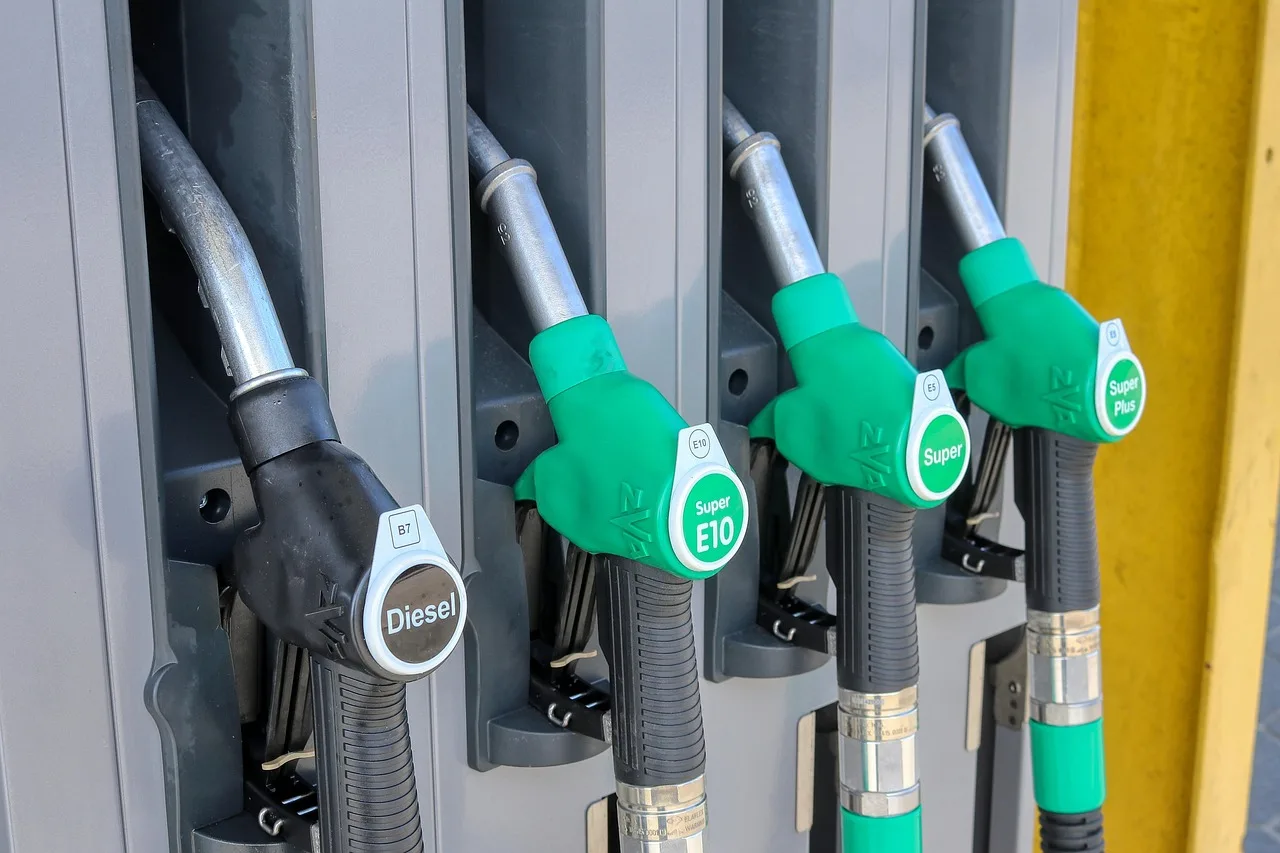
For the average American consumer, these international developments translate directly into higher costs at the gas station. Historical data indicates that energy expenditures account for a significantly larger percentage of the total budget for lower-income households compared to their wealthier counterparts, who possess greater flexibility in their discretionary spending.
The Burden on the Working Class
For millions of Americans, the rising price of gasoline is not merely an inconvenience, but a structural barrier to economic mobility. Many low-wage earners rely on personal vehicles for long commutes to essential jobs, leaving them with little choice but to pay the premium prices dictated by global market conditions.
Economic analysts point out that when fuel costs rise, the price of transporting goods also increases. This creates a secondary inflationary effect, driving up the cost of groceries, household supplies, and other essential commodities, further tightening the margins for families already living paycheck to paycheck.
Expert Analysis and Economic Data
Data from the Bureau of Labor Statistics consistently shows that energy price volatility acts as a regressive tax. When oil prices rise by 10 percent, the impact on the bottom quintile of earners is statistically more severe than the impact on the top quintile, as the former spends a larger share of their income on fuel and energy-related products.
Energy market experts emphasize that the current situation is exacerbated by global supply chain dependencies. As long as the geopolitical stalemate continues, market analysts predict that prices will remain subject to sudden, sharp fluctuations based on every new development in regional security.
Future Implications for the Economy
Looking ahead, the primary concern for policymakers is the potential for these costs to trigger broader economic instability. If sustained, high fuel prices may reduce consumer spending in other sectors, potentially slowing national economic growth and complicating efforts to manage inflation.
Market watchers are keeping a close eye on the Strategic Petroleum Reserve and international diplomatic channels to see if any immediate relief can be brokered. The coming months will be critical in determining whether the current energy spike remains a transient reaction to headlines or evolves into a persistent drag on the purchasing power of the American workforce.