
Introduction: A Critical Juncture in US-Iran Relations
The geopolitical landscape surrounding the United States and Iran has reached a critical juncture. Reports indicate that US President Donald Trump has rejected a proposal from Iran for a seven-day ceasefire. This decision, conveyed to close advisors, was reportedly accompanied by an expectation that Washington would resume bombing operations following the upcoming US midterm elections, scheduled for November 3. This reported stance signals a potentially escalating phase in the long-standing tensions between the two nations, raising concerns across the international community regarding regional stability and the future trajectory of diplomatic engagement.
A History of Strained Relations
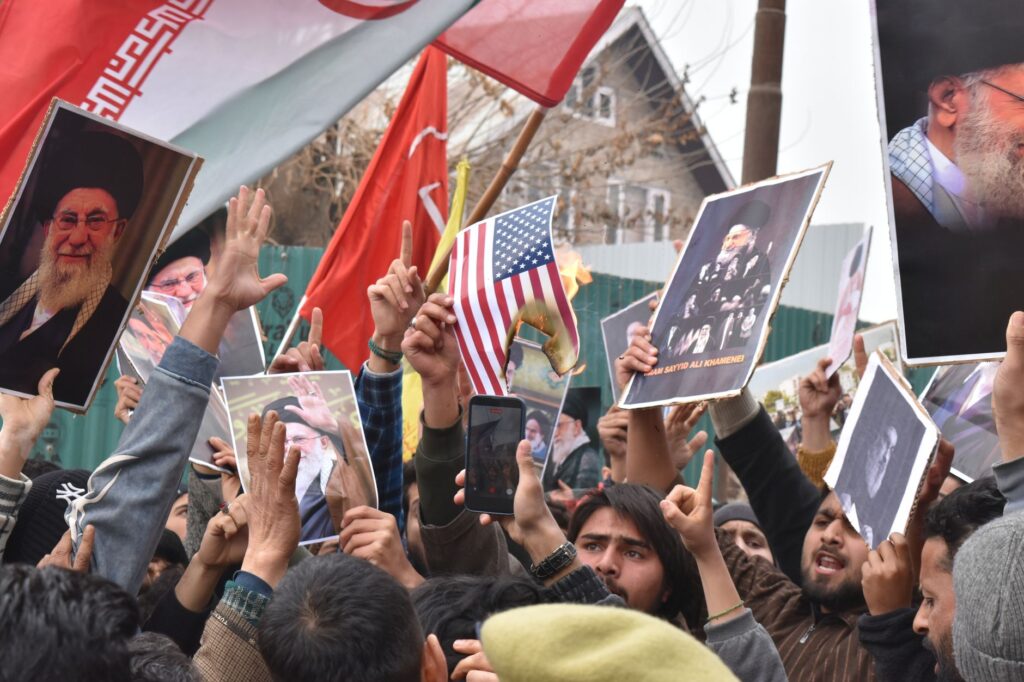
The relationship between the United States and Iran has been characterized by decades of profound mistrust, ideological differences, and strategic competition. Rooted in historical events and divergent national interests, this complex dynamic has frequently manifested in periods of heightened tension, proxy conflicts, and economic sanctions. Both nations view each other with suspicion, leading to a cycle of actions and reactions that often destabilize the broader Middle East. The current administration in Washington has maintained a firm posture towards Tehran, often citing concerns over Iran’s nuclear program, ballistic missile development, and support for various non-state actors. Conversely, Iran often perceives US policies as interventionist and aimed at undermining its sovereignty and regional influence. This deep-seated animosity forms the backdrop against which any diplomatic overture or military consideration must be understood.
The Ceasefire Proposal and Its Rejection
Iran’s proposal for a seven-day ceasefire represents a specific diplomatic gambit within this fraught relationship. Such an offer, typically intended to de-escalate immediate hostilities or create space for negotiations, suggests a desire to temporarily halt military engagements. The specifics of what this ceasefire would have entailed, beyond its duration, remain undisclosed. However, the act of proposing a temporary cessation of hostilities often aims to test an adversary’s willingness for de-escalation or to garner international sympathy.
President Trump’s reported rejection of this proposal, therefore, carries significant weight. It implies a strategic decision to maintain or intensify pressure on Iran rather than pursue a temporary pause. A rejection can be interpreted in several ways: a belief that a pause would benefit the adversary, a lack of trust in sincerity, or a strategic calculation that continued pressure is necessary to achieve desired policy objectives. This decision underscores a continued hardline approach from the US administration.
Political Calculus and Midterm Elections
A particularly salient aspect of the reported decision is its timing in relation to the US midterm elections on November 3. The suggestion that Washington expects to resume bombings after this electoral event introduces a layer of political calculation into the military strategy. Midterm elections are crucial for the incumbent party, as they determine the composition of Congress and can significantly impact the President’s ability to govern effectively.
Foreign policy decisions, especially those involving military action, can have profound domestic political ramifications. Initiating significant military operations close to an election can be perceived differently by various segments of the electorate. The reported expectation to resume operations post-election could suggest a desire to avoid potential electoral backlash or to consolidate political capital before undertaking potentially controversial actions. This strategic timing highlights the intricate interplay between domestic politics and international relations.
Potential for Escalation
The reported expectation of renewed bombing operations after the midterms raises serious concerns about the potential for further escalation in the US Iran conflict. Resuming military action, even if described as targeted, carries inherent risks. Such actions can provoke retaliatory measures, leading to a dangerous cycle of violence that is difficult to control. The Middle East is already a volatile region, and any significant increase in hostilities between the US and Iran could have widespread destabilizing effects.
An escalation could manifest in various forms: direct military confrontations, increased proxy warfare in regional hotspots, cyberattacks, or disruptions to vital shipping lanes like the Strait of Hormuz. Each scenario carries the potential for unintended consequences, including civilian casualties, damage to critical infrastructure, and a broader humanitarian crisis. The international community often views such escalations with alarm, advocating for restraint and diplomatic solutions.
Global Repercussions
Beyond the immediate region, a significant escalation in the US Iran conflict would likely reverberate across the globe. One primary concern is the impact on global energy markets. The Middle East is a major source of oil and natural gas, and any disruption to supply routes or production facilities due to conflict could lead to sharp increases in energy prices, affecting economies worldwide. This economic instability could, in turn, trigger broader financial market volatility.
Furthermore, an intensified conflict could strain international alliances and diplomatic efforts. Major global powers, including European nations, Russia, and China, have vested interests in regional stability and often hold differing perspectives on managing the US-Iran dynamic. A resumption of hostilities could complicate multilateral efforts to address other pressing global challenges, diverting attention and resources. The credibility of international institutions and global diplomacy could also be tested.
Diplomatic Avenues and Challenges
Despite the current trajectory towards potential escalation, diplomatic avenues, however challenging, remain a critical consideration. Historically, even during periods of intense conflict, back-channel communications and international mediation efforts have played a role in de-escalating tensions. However, the deep-seated mistrust and the current administration’s reported stance make immediate breakthroughs appear difficult.
Any future diplomatic engagement would likely require significant concessions or shifts in policy from both sides. For the US, this might involve re-evaluating its pressure campaign, while for Iran, it could necessitate addressing international concerns regarding its regional activities and nuclear ambitions. The role of third-party mediators, such as European allies or the United Nations, could become increasingly vital in fostering dialogue and exploring pathways to de-escalation. The absence of a direct and open channel for high-level communication often exacerbates tensions.
Conclusion: A Precarious Path Ahead
The reported rejection of Iran’s ceasefire proposal and the expectation of renewed US bombing operations after the November 3rd midterms underscore a highly precarious moment in US-Iran relations. This development signals a potential shift towards a more confrontational phase, with significant implications for regional stability, global energy markets, and international diplomacy. The interplay of domestic political considerations with complex foreign policy decisions highlights the multifaceted nature of this enduring conflict. As the midterm elections approach, the world watches closely, aware that the decisions made in the coming weeks could profoundly shape the future of one of the world’s most critical geopolitical flashpoints. The path ahead appears fraught with challenges, demanding careful consideration and a commitment to preventing a wider, more devastating conflict.