
The Impending Arrival and Seizure
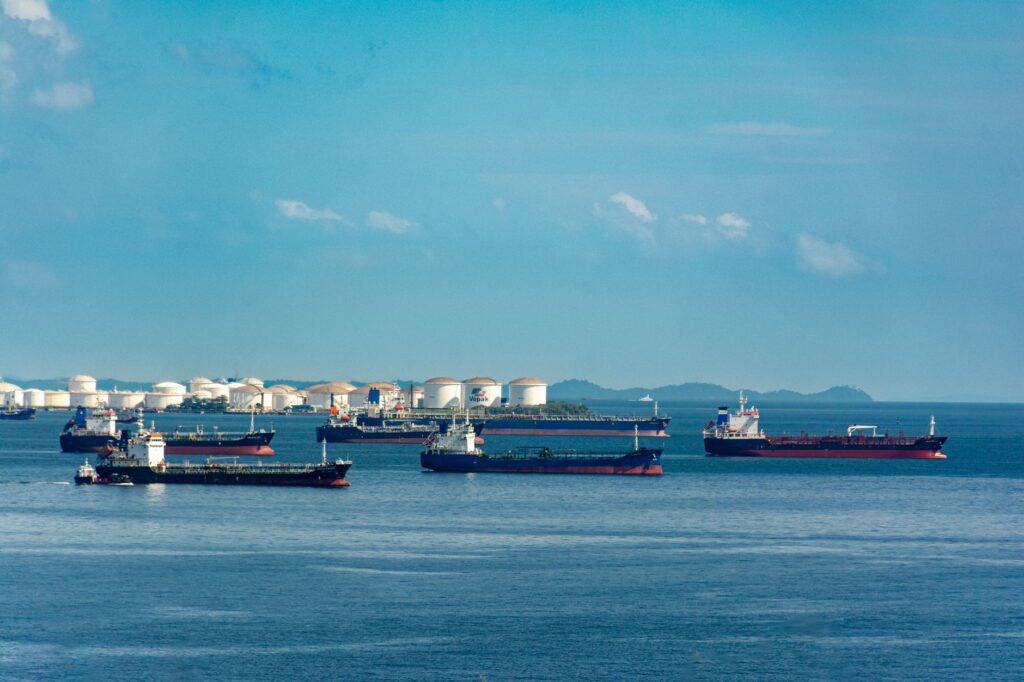
Two Iran-linked oil supertankers, previously interdicted by American naval forces, are now weeks away from reaching United States territory. Upon their arrival, US authorities are prepared to execute a seizure of both the vessels and their valuable cargo of crude oil, estimated to be worth millions of dollars. This action underscores a continued commitment to enforcing international sanctions and maintaining maritime security. The impending seizure represents a significant development in ongoing efforts to counter illicit trade and enforce economic restrictions. It highlights the long arm of international law enforcement and the persistent challenges associated with global maritime commerce. The journey of these tankers from their initial interdiction to their current proximity to US shores has been a closely monitored event, reflecting the complexities of international legal and geopolitical landscapes.
Background to Maritime Interdiction
The interdiction of these supertankers occurred early in what has been described as “the war,” a period marked by heightened tensions and increased naval activity. American naval forces, operating within international waters, undertook these actions as part of broader maritime security operations. Such interdictions are typically conducted under specific legal authorities, often related to enforcing sanctions, preventing illicit trade, or ensuring freedom of navigation. The initial interception of these vessels would have involved careful coordination and execution by naval assets, emphasizing the strategic importance of controlling key maritime routes. These operations are not merely about stopping a vessel; they involve complex intelligence gathering, legal assessments, and diplomatic considerations. The fact that these tankers were identified as “Iran-linked” suggests a connection to entities or activities deemed contrary to international regulations or national security interests, prompting the initial intervention by US forces. This proactive approach aims to disrupt networks involved in activities that undermine global stability and economic order.
The Legal Framework of Sanctions Enforcement
The planned seizure of the supertankers and their crude oil cargo is rooted in a robust legal framework designed to enforce international sanctions. Governments, including the United States, utilize a range of legal instruments to target entities involved in activities such as terrorism financing, proliferation of weapons, or human rights abuses. When vessels are found to be in violation of these sanctions, they become subject to potential asset forfeiture. This process typically involves legal proceedings to establish ownership, prove the illicit nature of the cargo or the vessel’s operations, and secure a court order for seizure. The “Iran-linked” designation implies that the vessels or their cargo are connected to individuals, organizations, or the government of Iran, which is currently subject to various international and unilateral sanctions. The seizure serves as a direct consequence of operating in defiance of these established legal restrictions, reinforcing the principle that illicit financial flows and trade will be met with decisive action. The legal basis for such seizures is often complex, involving international maritime law, national security statutes, and specific sanctions regulations.
Geopolitical Ramifications of Asset Seizure
The impending seizure carries significant geopolitical weight. It sends a clear message regarding the United States’ resolve to enforce its sanctions regime against Iran, particularly concerning its oil exports. Such actions can exacerbate existing tensions between the two nations, which have long been at odds over various regional and international issues. The seizure could be perceived by some as an aggressive act, potentially leading to retaliatory measures or increased rhetoric. Conversely, it could be viewed by allies as a demonstration of commitment to international norms and a deterrent against illicit activities. The broader implications extend to regional stability in the Middle East, where maritime security is a constant concern. The incident could influence diplomatic efforts, energy policies, and the dynamics of international trade, particularly for countries reliant on oil imports. It underscores the ongoing struggle for influence and the enforcement of international legal frameworks in a complex global environment.
Economic Implications of Crude Oil Seizures
The crude oil carried by these supertankers is valued at millions of dollars, representing a substantial economic asset. The seizure of such a valuable commodity has multiple economic implications. For the entities involved in the illicit trade, it represents a significant financial loss and a disruption of their revenue streams. For the United States, the seized assets may eventually be liquidated, with the proceeds potentially directed towards victims of state-sponsored terrorism, national security initiatives, or other government programs, depending on legal precedents and specific rulings. The broader oil market might also react to such events, though the impact of two tankers on global supply is likely to be limited. However, the symbolic value of disrupting illicit oil flows can influence market sentiment and reinforce the risks associated with sanctions evasion. It highlights the financial costs associated with operating outside established international economic norms and the determination of authorities to impose those costs.
Operational Challenges and Precedent
Executing the seizure of large oil supertankers involves considerable operational challenges. These include safely boarding and securing the vessels, managing the substantial crude oil cargo, and ensuring environmental protection. The logistics of bringing such large vessels into port, offloading their cargo, and potentially managing their long-term disposition are complex and resource-intensive. Furthermore, such seizures set a precedent, signaling to other actors engaged in similar illicit activities that their operations are vulnerable to interdiction and forfeiture. This creates a deterrent effect, forcing illicit networks to adapt or cease their operations. The successful execution of this seizure will demonstrate the capabilities of US authorities in maritime enforcement and asset recovery, potentially influencing future strategies for combating sanctions evasion and illicit trade on a global scale. It also highlights the need for robust coordination between naval forces, legal teams, and port authorities.
Conclusion: A Clear Message on Enforcement
The impending arrival and seizure of the Iran-linked oil supertankers mark a critical juncture in the ongoing efforts to enforce international sanctions and maintain maritime security. This event, stemming from an interdiction early in “the war,” underscores the unwavering commitment of US authorities to disrupt illicit trade networks and hold accountable those who defy international legal frameworks. Beyond the immediate economic loss of millions of dollars in crude oil and the vessels themselves, the action carries significant geopolitical weight, sending a clear message about the consequences of sanctions evasion. It highlights the complex interplay of international law, naval power, and economic policy in shaping global affairs. As these tankers approach US shores, their fate serves as a stark reminder of the persistent challenges and resolute responses in the realm of international maritime enforcement.