
Understanding the Indian Southwest Monsoon
The southwest monsoon remains a critical climatic phenomenon for the Indian subcontinent, dictating the agricultural calendar and water security for millions of citizens. Weather forecasting agencies monitor these seasonal patterns closely each year to understand precipitation trends and overall moisture distribution. The timing and strength of the monsoon dictate whether reservoirs fill adequately and how agricultural yields perform.
Importance of Rainfall for Agriculture
Rainfall is vital for the economic and social stability of the nation. Historical data shows that the southwest monsoon accounts for more than 70 percent of the total annual precipitation received across the country. This immense volume of water replenishes groundwater tables, feeds major river systems, and sustains rural livelihoods.
Reliance on Rain-Fed Farming
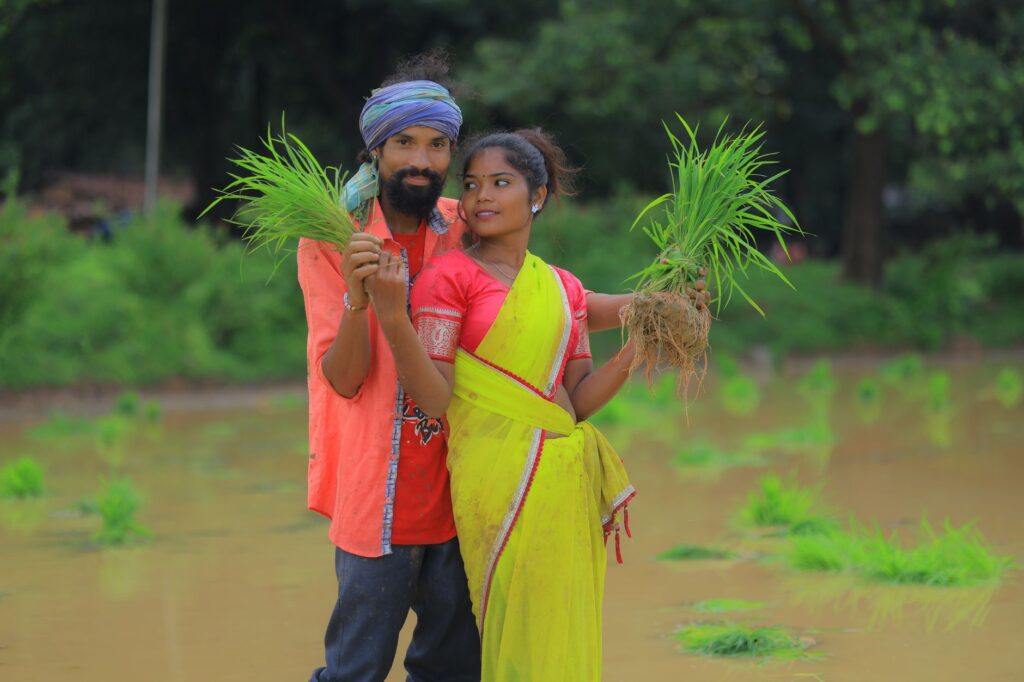
Despite advancements in irrigation technology and infrastructure, a significant portion of agricultural land lacks artificial water sources. Approximately 45 percent of the net sown area across the country remains entirely rain-fed. Farmers in these regions depend directly on timely and adequate seasonal showers to cultivate essential crops and secure their annual harvest.
Extended Activity Through September 15
Meteorological updates indicate that seasonal weather systems will continue to produce precipitation across various regions. Current patterns suggest that the monsoon will remain active throughout the nation until at least September 15. This extended period of showers provides crucial moisture during the final stages of crop development, helping to mitigate dry spells in vulnerable agricultural belts.
Conclusion and Outlook
As the monsoon season progresses toward its latter half, continuous monitoring remains essential for agricultural planning and water resource management. The projected activity through mid-September offers positive prospects for soil moisture levels and overall water conservation efforts nationwide.