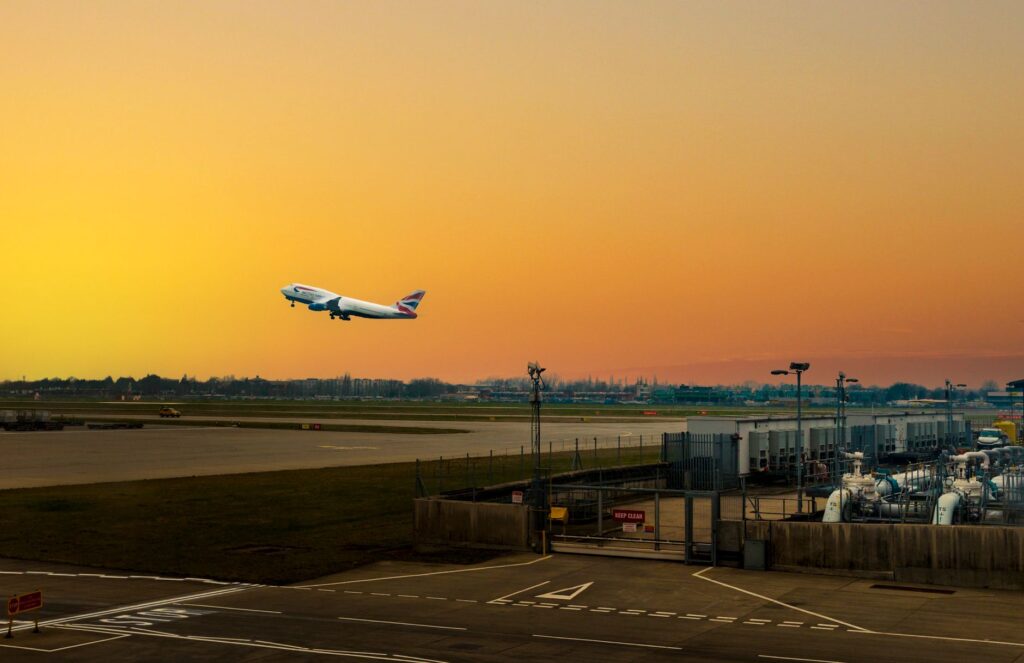

Understanding the Heathrow Air Traffic Incident
A major disruption at London Heathrow Airport recently left travelers stranded and flight schedules severely delayed. The incident prompted immediate concern across the aviation sector, raising questions about the stability and security of the nation’s critical transport infrastructure.
As flights were grounded and queues built up inside terminals, industry observers and passengers alike demanded answers regarding the root cause of the sudden operational breakdown. Air navigation authorities moved quickly to investigate the technical anomalies that triggered the widespread delays.
Cyber Attack Speculation Dismissed
In the immediate aftermath of the disruption, speculation mounted regarding a potential malicious cyber interference. However, the chief executive of the National Air Traffic Services definitively ruled out any digital breach during a statement released on Wednesday.
Officials confirmed that initial diagnostic checks showed no evidence of unauthorized network access or malicious software involvement. The confirmation helped alleviate immediate fears regarding national security threats targeting critical aviation networks.
Growing Frustration Among Airlines
Despite the dismissal of cyber security threats, commercial airlines expressed profound frustration over the incident. Industry representatives strongly criticized the air traffic organization, pointing out that this event marks the third major operational failure within a span of three years.
Carrier executives argued that repeated technical glitches inflict heavy financial losses on airlines and cause immense inconvenience for passengers. Pressure is now mounting on aviation authorities to upgrade aging infrastructure and prevent further systemic failures.
Looking Ahead at Aviation Resilience
The recurring disruptions have reignited discussions about the reliability of the country’s airspace management systems. Stakeholders across the aviation industry are calling for a comprehensive independent review of maintenance protocols and technological redundancies.
As airports handle increasing volumes of international travelers, ensuring seamless air traffic operations remains a top priority. Authorities face the ongoing challenge of restoring full confidence in the safety and efficiency of national airspace management.