
Understanding the Market Correction
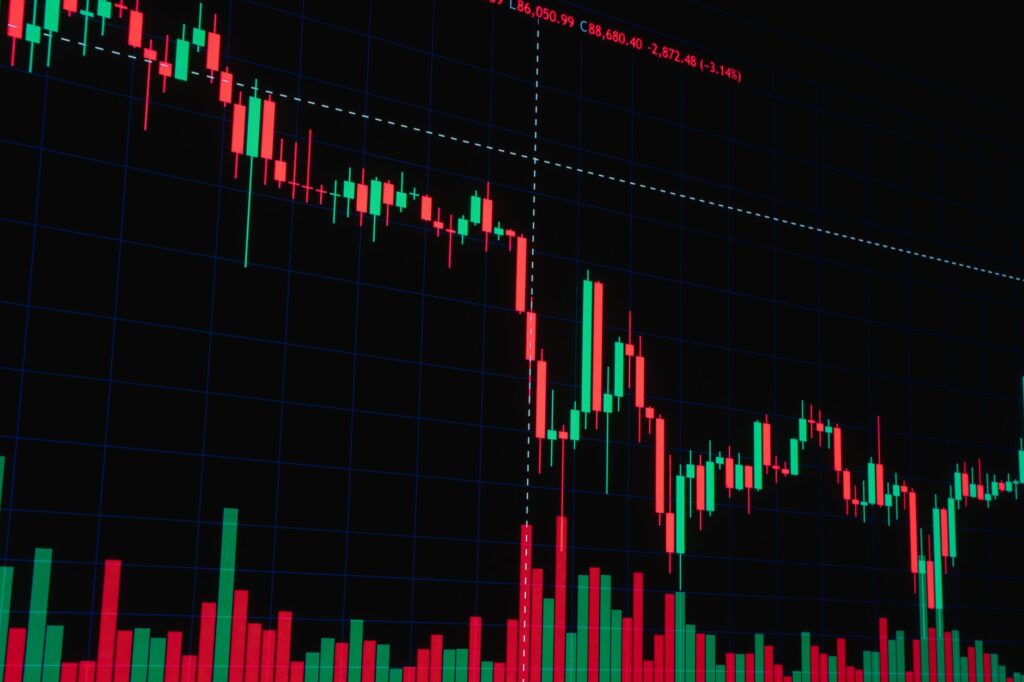
Indian equity benchmarks experienced a sharp correction during the trading session, sending shockwaves across Dalal Street. The primary index Sensex plummeted by more than 600 points, while the broader Nifty50 index slipped below the crucial psychological threshold of 23,500. Investors witnessed widespread liquidation as bearish sentiment took total control of the trading floor.
Evolving Global and Domestic Pressures
The sudden market downturn was not driven by a single isolated event, but rather by a convergence of multiple macroeconomic pressures. Investors grew increasingly cautious as international crude oil prices mounted a steady climb. Rising energy costs threaten to widen trade deficits and fuel domestic inflation, forcing market participants to reassess their risk exposure.
Heavy Losses in Major Technology Equities
Technology giants bore the brunt of the heavy selling pressure. Leading IT heavyweights, including Infosys and Tata Consultancy Services, suffered substantial price corrections. Because the technology sector carries significant weight in benchmark indices, weakness in these counters directly dragged down both the Sensex and the Nifty.
Broad-Based Selling Across Market Segments
The downward trajectory was not restricted to large-cap equities alone. Broader market segments participated actively in the selloff, with both midcap and smallcap indices posting notable losses. Market breadth remained heavily negative, indicating that selling pressure extended deep into smaller companies across various sectors.
Erosion of Investor Wealth
The sheer scale of the selloff resulted in a massive wealth evaporation for equity holders. Calculations based on exchange data revealed that the total market capitalization of all listed firms shrank by approximately two lakh crore rupees in a single session. This sudden contraction highlights the fragility of current market valuations and the speed at which sentiment can reverse.
Outlook for Investors
Financial analysts advise caution as markets navigate this volatile phase. With global uncertainties persisting and commodity prices remaining fluid, short-term volatility is expected to continue. Long-term investors are encouraged to focus on fundamentally strong businesses while closely monitoring macroeconomic indicators for signs of stabilization.