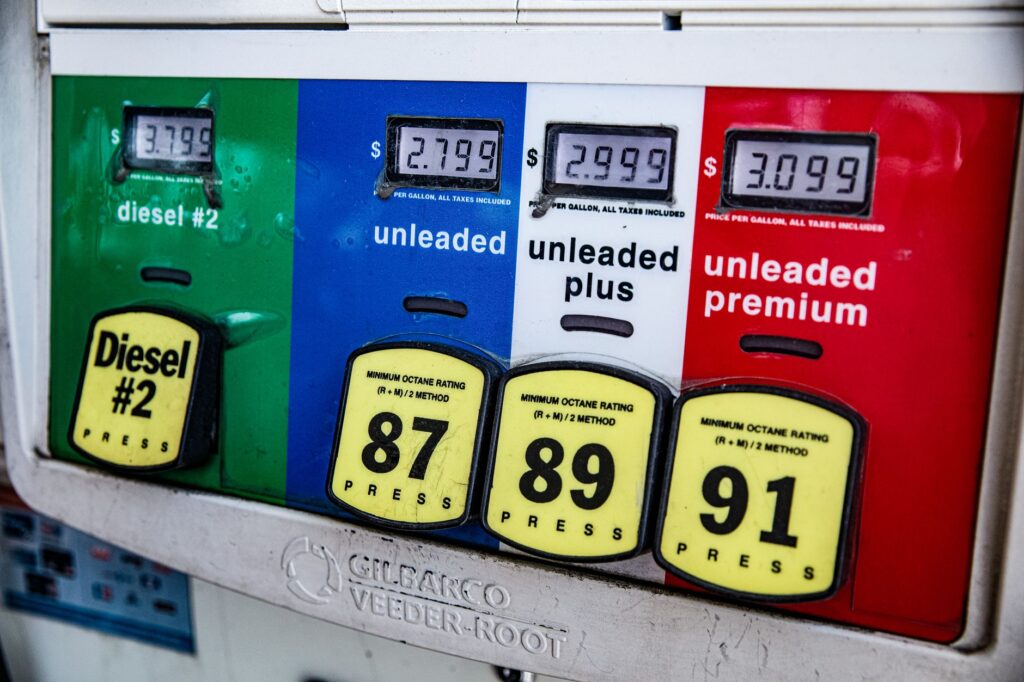

Crude oil prices experienced a notable upward movement during early market sessions following recent geopolitical escalation in the Middle East. Global energy markets reacted swiftly to reports of missile activity in the region, raising immediate concerns over potential interruptions to vital petroleum supply routes and global energy security.
Market Reaction and Price Movement
In early trading hours, benchmark crude contracts climbed by approximately one dollar per barrel. Traders and analysts quickly assessed the heightened risk environment, factoring in potential geopolitical fallout that could impact production and transportation networks across the primary oil-producing territories.
Energy markets are notoriously sensitive to regional conflicts, particularly those involving major producing nations and strategic transit corridors. The sudden price surge highlights the fragility of current supply chains and the immediate reaction of financial institutions to any threat against regional stability.
Geopolitical Pressures on Global Energy Supply
The involvement of Iran and the resulting military actions near neighboring territories have amplified anxiety among market participants. As the situation develops, industry experts are monitoring maritime trade routes and pipeline security closely to gauge whether physical supply will face actual disruption or if the current market reaction is purely driven by risk premiums.
Supply disruptions in this part of the world historically trigger immediate ripples across international markets, affecting everything from gasoline prices at the pump to broader economic inflation forecasts. Governments and central banks often keep a watchful eye on energy commodities during such crises, as sustained higher prices can derail broader economic recovery efforts.
Outlook for Crude Oil Markets
Looking ahead, market volatility is expected to remain elevated until clearer diplomatic or military resolutions emerge. Investors are advised to maintain caution and monitor official updates regarding infrastructure integrity and shipping lanes.
The coming days will be critical in determining whether tensions de-escalate or if further retaliatory measures lead to sustained higher energy costs. For now, the global energy complex remains on high alert, reacting in real time to every new development on the ground.