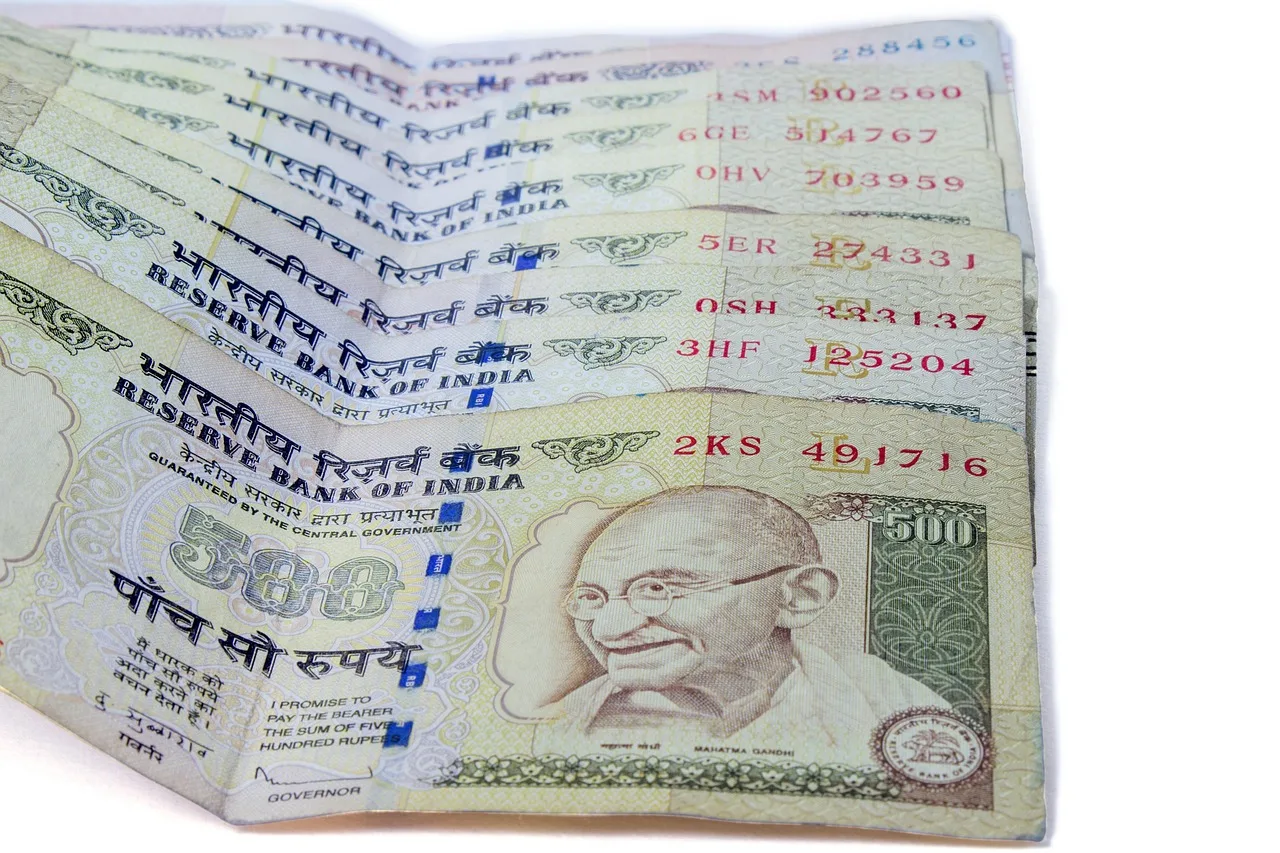





Scheduled commercial banks across India reported a significant surge in non-food credit, expanding by 15.9 per cent year-on-year in the financial year 2025-26, a substantial rise from the 10.9 per cent recorded in the previous year. This robust growth, detailed by the Ministry of Finance and reported by ANI, propelled the aggregate outstanding credit to Rs 212.9 lakh crore as of March 2026, driven by strong demand across various sectors, a favorable low interest rate environment, and sustained government capital expenditure.
Context: Understanding India’s Credit Landscape
Understanding the dynamics of bank credit is crucial for assessing an economy’s health. Non-food credit primarily refers to loans extended to sectors beyond the food industry, encompassing industry, services, agriculture, and personal loans. Its expansion typically signals increased economic activity, as businesses invest, expand operations, and individuals engage in consumption.
The 15.9 per cent growth in FY2025-26 represents an increase of Rs 29.2 lakh crore in outstanding credit over the preceding year, underscoring a significant acceleration in borrowing appetite. This momentum was largely facilitated by policy-driven factors, including a conducive monetary policy with lower interest rates and the government’s strategic capital expenditure push. This push has effectively stimulated private investment and enhanced credit uptake among both corporate entities and individual borrowers.
Broad-Based Growth Fuels Economic Momentum
The credit expansion during FY2025-26 was notably broad-based, indicating widespread economic recovery and confidence. Growth was observed across all major segments: services, personal loans, agriculture and allied activities, and industry. This diversified uptake suggests a healthy, multi-pronged economic progression rather than isolated sectoral booms.
Services Sector Leads the Charge
The services sector emerged as the primary engine of credit growth, recording an impressive 19 per cent year-on-year expansion, significantly up from 12 per cent in the previous year. This surge was predominantly fueled by increased lending to non-banking financial companies (NBFCs), heightened activity in trade, and a buoyant commercial real estate market. The robust performance of services underscores its critical role in India’s economic framework and its capacity to drive substantial credit demand.
Personal Loans and Rural Demand Remain Strong
Personal loans, which constitute approximately 33 per cent of the total credit portfolio, also demonstrated strong growth, increasing by 16.2 per cent in FY2025-26 compared to 11.7 per cent a year prior. Within this segment, housing loans maintained their consistent growth trajectory, while vehicle loans and loans against gold jewellery experienced particularly strong demand.
Concurrently, the agriculture and allied sector registered a substantial 15.7 per cent growth, a notable improvement from 10.4 per cent in FY2024-25. This increase reflects sustained rural demand and ongoing efforts towards the formalization of credit delivery within the farm sector, enhancing financial inclusion.
Industrial Credit Sees Significant Revival
Industrial credit witnessed a sharp pickup, growing at 15 per cent, a marked contrast to the 8.2 per cent recorded in the previous year. Within the industrial segment, micro and small industries posted an exceptional 33.1 per cent growth, while medium industries expanded by 21.7 per cent. Key sectors contributing to this industrial credit surge included infrastructure, basic metals, chemicals, and petroleum-related industries, as per ANI reports. This revival in industrial lending signals renewed investment and expansion plans across manufacturing and core sectors.
Underlying Factors and Economic Resilience
The robust expansion in credit underscores a resilient domestic economic environment and a rising appetite for borrowing across sectors. This increased credit offtake has played a pivotal role in supporting business expansion, stimulating investment in fixed assets, and boosting the consumption of durable goods. These factors collectively contribute to higher industrial activity and significant employment generation, reinforcing a positive feedback loop within the economy.
Despite a backdrop of global uncertainties, including geopolitical tensions and geo-economic fragmentation, India has consistently demonstrated strong economic resilience and remains among the fastest-growing major economies globally. The banking sector itself is well-capitalised, characterized by historically low levels of stressed assets and sustained profitability, positioning it as a stable pillar supporting this economic growth. Furthermore, the government’s persistent initiatives to formalize and democratize access to credit have been instrumental in fostering this broad-based expansion in lending across all segments of the economy.
Implications and What’s Next for India’s Economy
This sustained and broad-based credit growth signifies a strong foundation for continued economic expansion in India. It indicates healthy business confidence, robust consumer demand, and effective policy support. For businesses, this trend suggests easier access to capital for expansion, innovation, and job creation, potentially leading to further increases in industrial output and GDP. Consumers, in turn, benefit from improved access to financing for housing, vehicles, and other essential goods, contributing to overall consumption growth.
Looking ahead, the trajectory of India’s bank credit will be a key indicator of economic health. Observers will closely monitor how global economic conditions, potential shifts in interest rate policies, and ongoing government reforms continue to influence borrowing and lending patterns. The continued formalization of credit and the health of the NBFC sector will also be crucial aspects to watch, as they play a significant role in extending credit to underserved segments.
This robust financial activity positions India for sustained growth, provided the current policy environment and global stability largely persist.