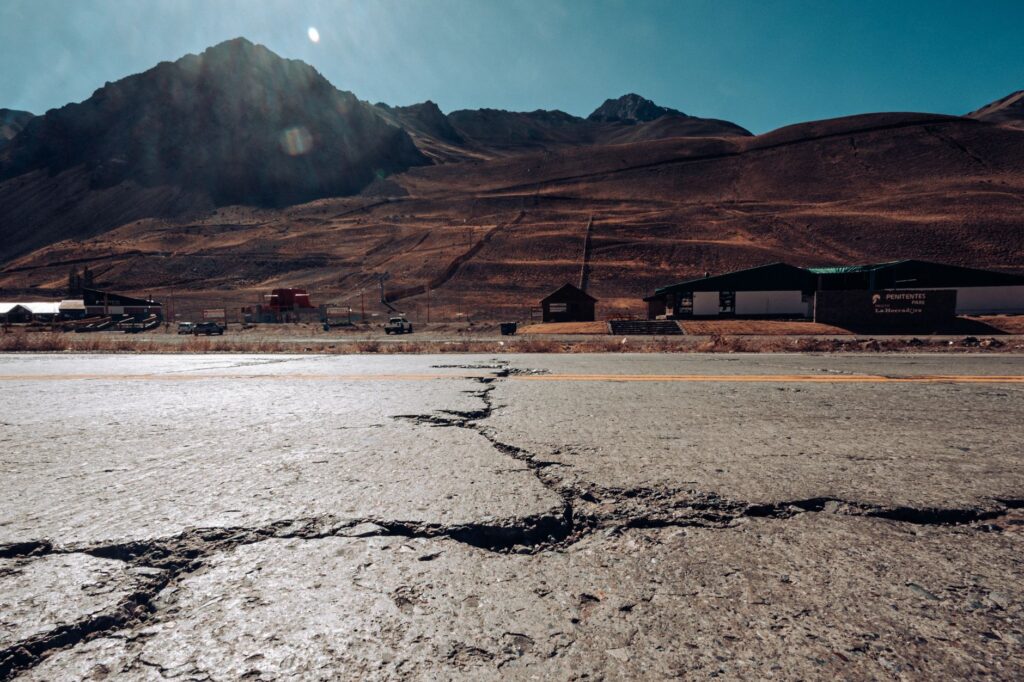

Overview of the Seismic Event
A moderate earthquake with a magnitude of 5.3 has struck the region of Tibet. Monitoring agencies reported that the seismic activity occurred at a relatively deep underground level of 35 kilometers.
The unexpected tremor brought renewed concern to local residents and regional authorities. While structural damage assessments are still underway, the event highlights the ongoing geological activity within the Himalayan fault zones.
Context of Recent Regional Activity
This latest seismic occurrence follows closely behind a previous earthquake measuring magnitude 5. That event took place just a few days prior on the third of September.
The geological disturbances arrive on the heels of severe weather events in the area. Recent flash floods had already impacted communities situated near the border shared between Nepal and Tibet, creating a complex emergency management landscape.
Impact on Neighboring Regions
Although the epicenter of the magnitude 5.3 tremor was located deep within Tibet, the energy wave traveled outward and affected neighboring areas.
Residents across parts of Nepal reported feeling the ground shake as the seismic waves passed through. Many people experienced noticeable movement indoors, prompting temporary evacuations into open spaces as a safety precaution.
Ongoing Situation and Response
Emergency response teams and local authorities continue to monitor the unfolding situation closely. Communication lines and infrastructure assessments are prioritized to ensure public safety.
Due to the recent combination of flooding and repeated earthquakes, regional disaster management units remain on high alert. Further updates regarding potential aftershocks and relief measures are expected as field reports are consolidated.