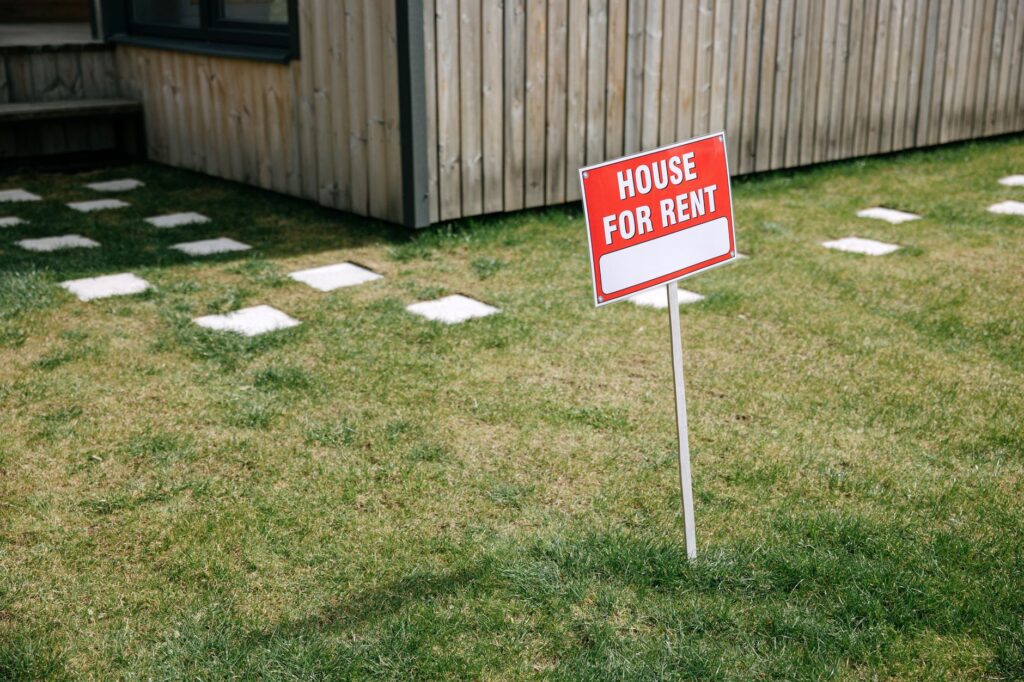

The United States housing and rental markets are undergoing a noticeable transformation as tenants continuously search for financial relief amid escalating lease costs. Recent data highlights a clear behavioral shift among renters across the country. Instead of absorbing the high costs associated with major metropolitan areas, many individuals and families are choosing to relocate to secondary and tertiary markets where housing expenses remain manageable.
Shifting Rents and Changing Tenant Behavior
For years, major urban centers commanded the highest rental rates, attracting professionals and families despite the steep financial commitment. However, sustained increases in monthly lease payments have pushed many households to their financial limits. As a result, the national rental landscape is experiencing a migration wave. Tenants are actively seeking out regions where the cost of living allows for greater financial stability and savings potential.
This trend is not merely about finding a cheaper apartment; it represents a broader reevaluation of personal finance and lifestyle priorities. Renters are weighing the long-term viability of staying in high-cost areas against the benefits of moving to regions with lower economic barriers. Landlords and property managers in traditional hubs are beginning to notice softening demand, while smaller cities and emerging regions are seeing a surge in incoming residents.
Implications for the Future Housing Market
Changes in rental demand rarely stay confined to the leasing sector alone. The movement of tenants from expensive urban centers to more affordable regions often serves as a precursor to broader changes in the residential property market. When renters establish roots in new, more economical areas, their long-term housing goals frequently evolve from renting to property ownership.
Affordable markets that currently experience high rental growth may soon see increased interest in residential property purchases. As these incoming residents settle into their new communities, local housing inventory will face new pressures. Understanding these migration patterns is crucial for industry analysts who monitor how rental trends ultimately influence residential sales volumes and property valuation trajectories.
Economic Factors Driving the Relocation
Several economic pressures contribute to the current state of the rental market. Inflationary pressures over recent years have impacted nearly every facet of household spending, from groceries to transportation. When fixed expenses like rent consume a disproportionate share of monthly income, households have little room to maneuver financially.
Relocating to a less expensive market provides immediate relief. It allows individuals to redirect funds toward other essential needs, debt reduction, or saving for a future down payment. This financial breathing room is a primary catalyst for the geographic shifts currently documented in recent real estate analyses.
Looking Ahead for Buyers and Sellers
For prospective home buyers and real estate investors, monitoring these demographic shifts provides valuable insight into where future housing activity will concentrate. Markets experiencing an influx of cost-conscious renters today may transform into the most active residential sales zones tomorrow. Real estate professionals are closely watching these developments to advise clients accurately on long-term investments.
Ultimately, the continuous rise in rental prices acts as a catalyst for widespread geographic redistribution. As tenants continue to prioritize affordability, the ripple effects will continue to reshape both the rental sector and the broader landscape of residential property transactions across the nation.